
Introduction
If you’re a fan of Stranger Things, you know that 1986 was supposed to be “Eddie Munson’s Year;” otherwise known as the year he graduates from high school. If you’re a fan of the classic film blogging community, you know the phenomena known as the “blog-a-thon.” Most of these events are movie-driven, but Sally at 18 Cinema Lane came up with this amazing concept to honor “Eddie’s Year” by breaking the blog-a-thon mold.
If you’re a regular reader of Dubsism, you know I’m a regular contributor to these film blog-a-thons; more often than not the topic is about something sporting being hidden in a movie. But thanks to Sally’s taking us all in a new direction, there’s no sports or movies in this piece.
Instead, one of the options she spelled out for the foundations of this event was to tell the story of an event that happened in 1986. While I was never a Stranger Things devotee, I understand this was not a particularly great year in which to be starting a new chapter in life. Eddie found himself being emancipated from the adolescent drudgery of high school; I was just on the other side of that freedom having traded it for the disguised drudgery of college.
Either way, being a recent high school grad and/or a college frosh in 1986 meant having the genesis of one’s adult years in one brimming with things made to overshadow pretty much any accomplishment. I’m no Eddie Munson, but we both found ourselves in that very same boat. I won’t speak for Eddie Munson, but the very same year in which I met the man who would become a surprise inspiration for my unexpected career stop as a history teacher would be eclipsed by stranger things like the Challenger explosion, the Chernobyl disaster, and as Sally herself mentions, the 76-year orbital return of Halley’s Comet.

January 28, 1986: The Challenger Explosion 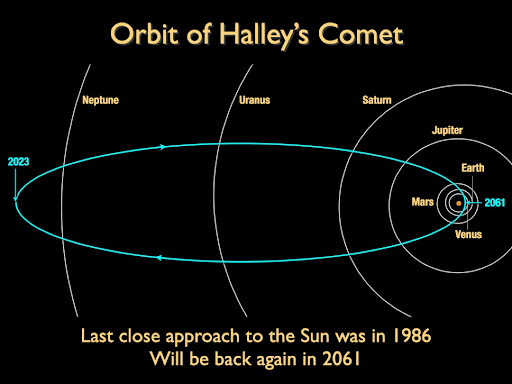
February 11, 1986: Halley’s Comet makes it’s closest pass around the sun 
March 13, 1986: Microsoft makes it’s initial public offering 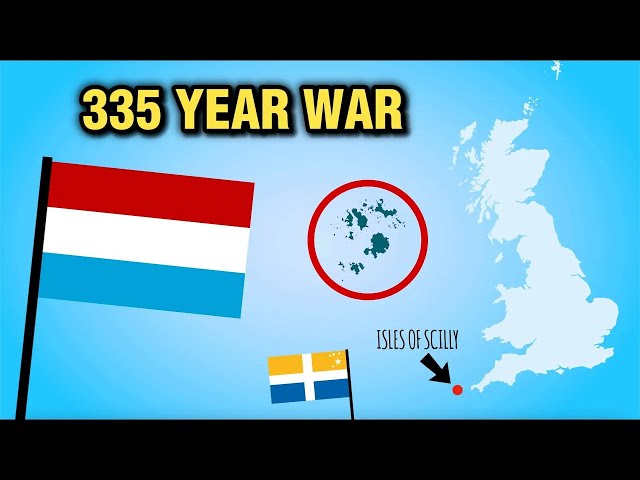
April 17, 1986: Europe’s longest war ends 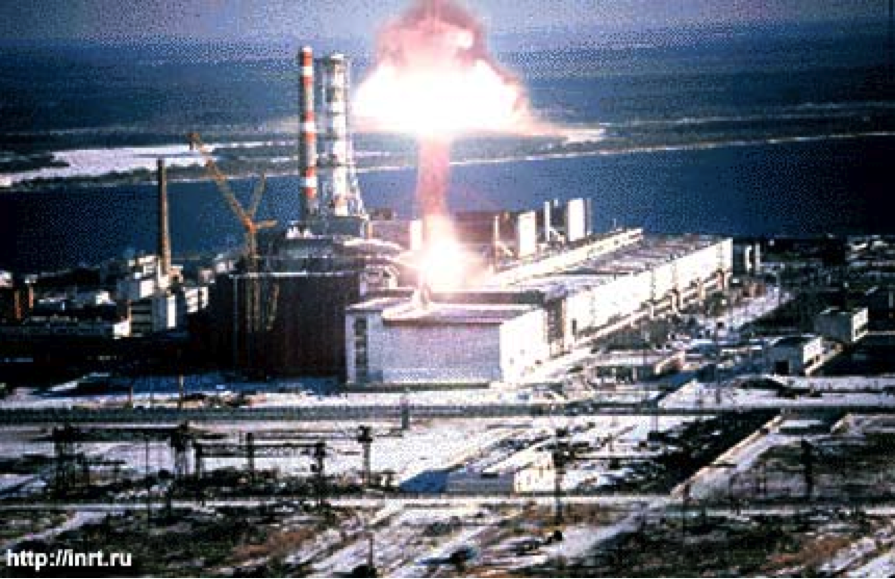
April 26, 1986: The Chernobyl Disaster 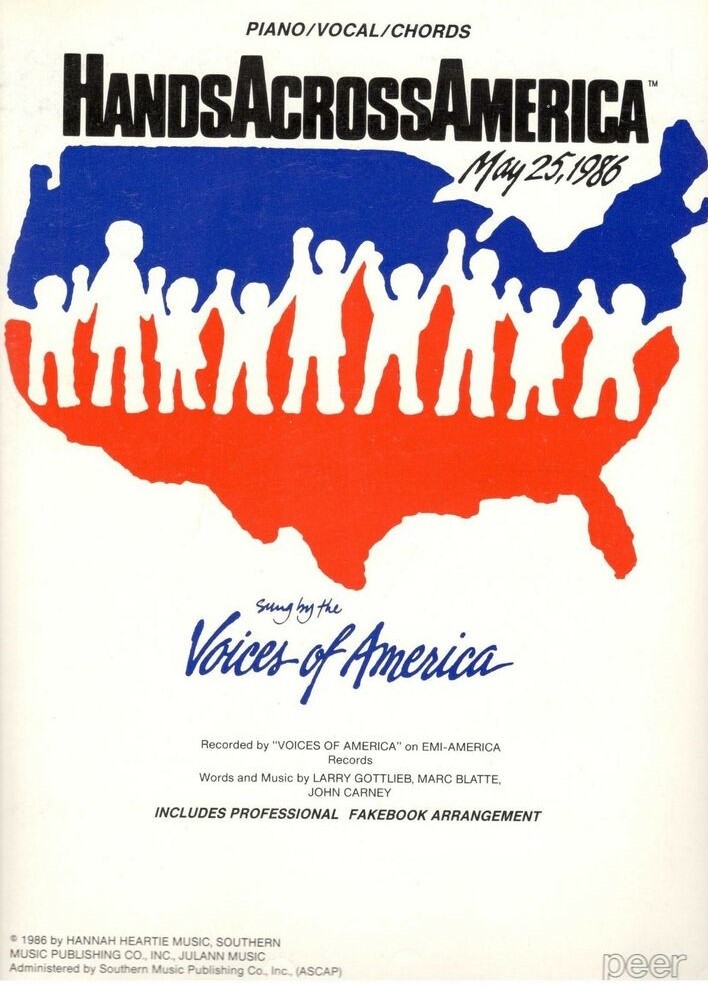
May 25, 1986: Hands Across America 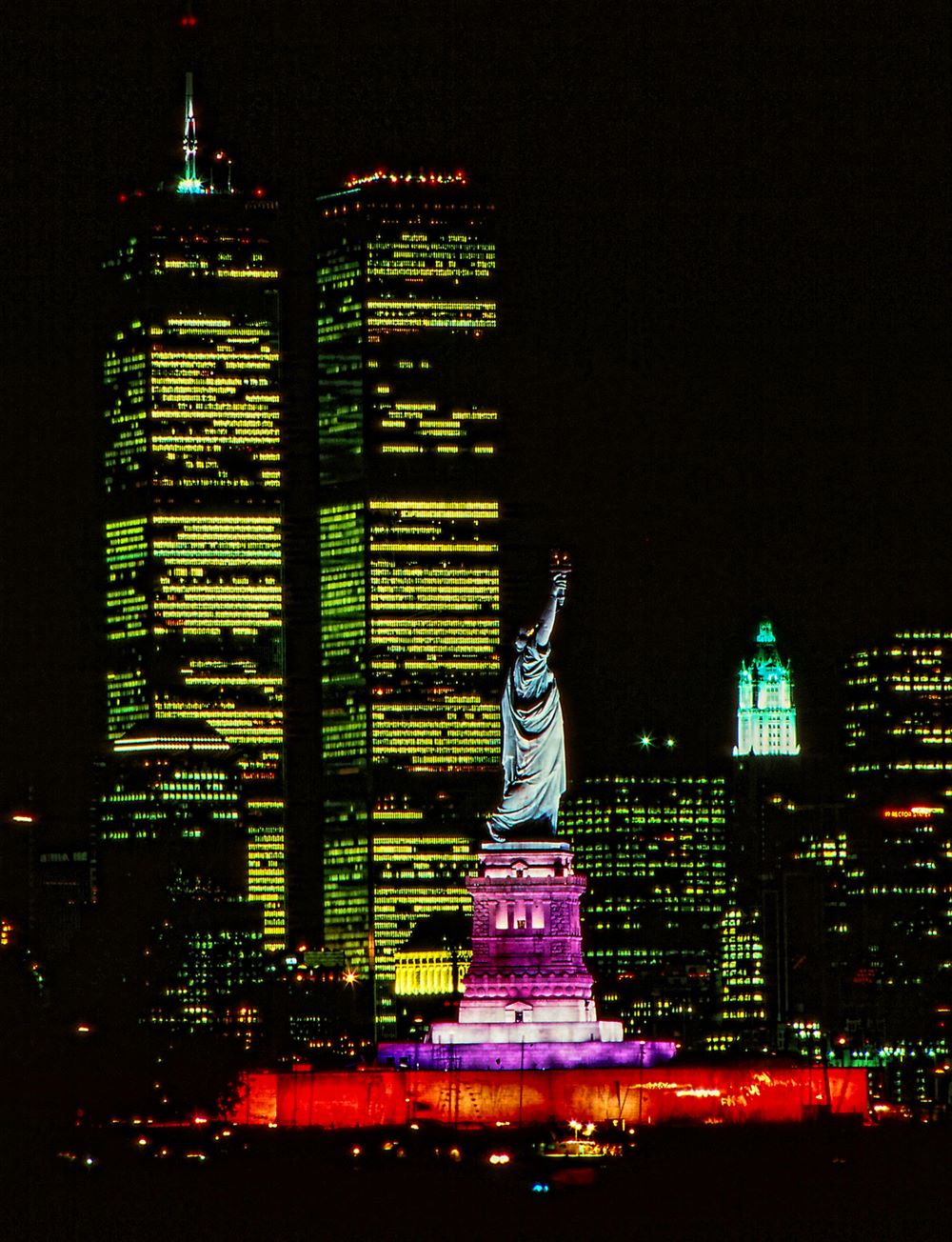
July 4, 1986: 100th Anniversary of the Statue of Liberty 
Spertember 8, 1986: Oprah Winfrey maker her national TV debut 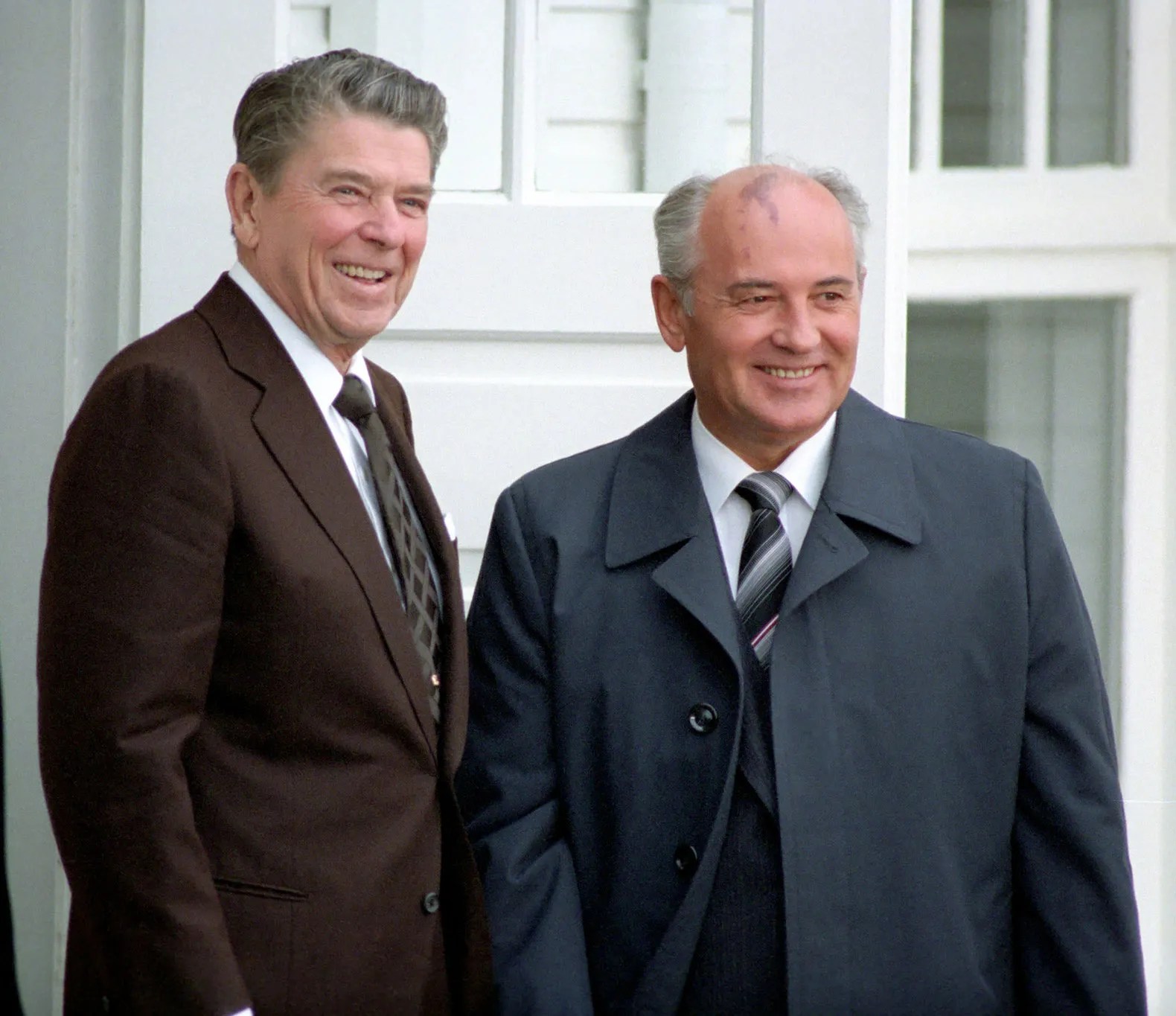
October 11, 1986: The Reagan/Gorbachev Summit 
December23, 1986: Voyager completes the world’s first around-the-world non-stop flight
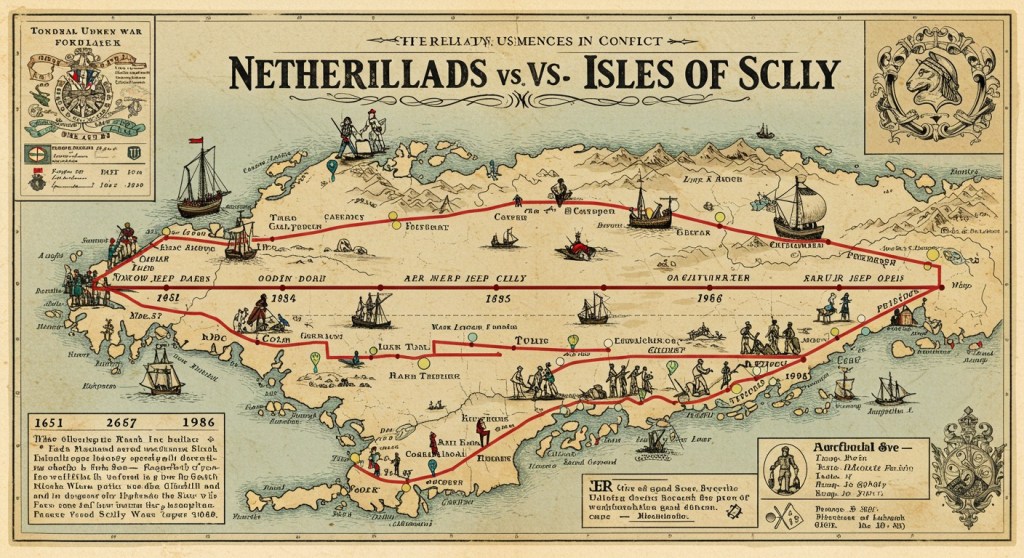
Consider the confluence of all those things within in the confines of Sally’s blog-a-thon as the reason why the history nerd in me is coming out. For today’s tale, we’re setting the Wayback Machine for 1651 for a journey to the start of Europe’s longest (and weirdest) war.
It’s likely you never heard of the Three Hundred Thirty Five Years’ War; it’s pretty low on the hierarchy of military history. Given that, it’s not hard to see why this “war” gets overshadowed in the history books. Although we know precisely when it ended in “Eddie’s Year” of 1986, nobody really knows exactly when it started, because there was not a single shot fired nor a drop of blood spilled.
But it is entwined in some much more significant conflicts.
How It Started
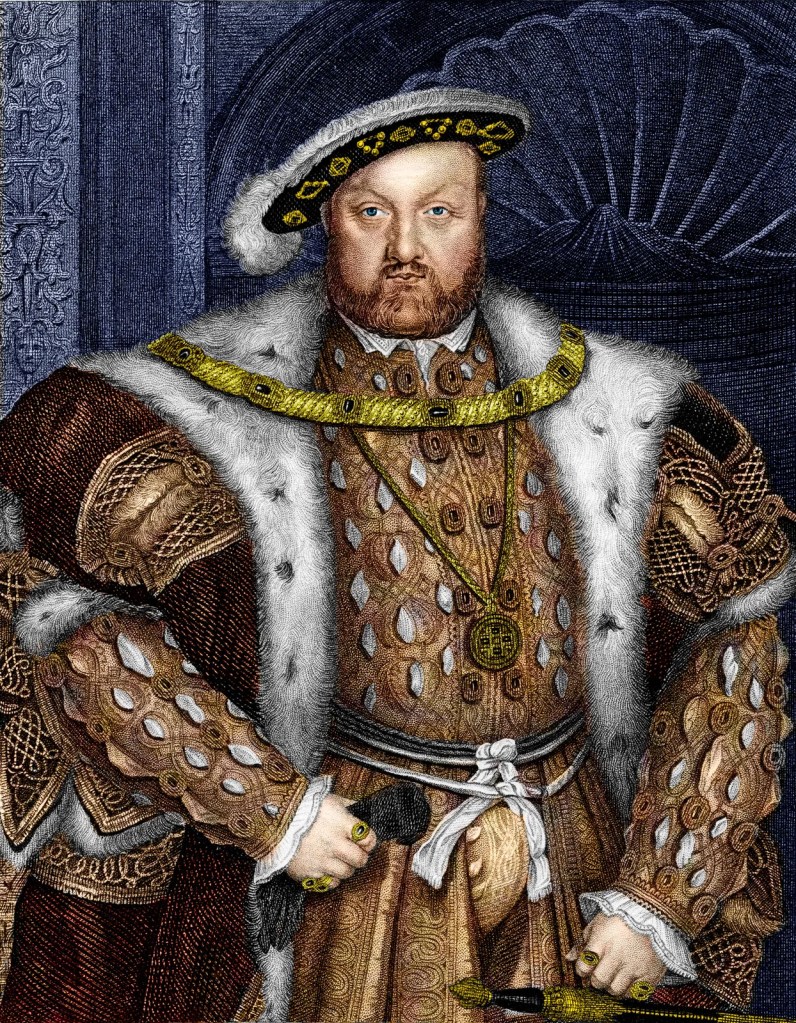
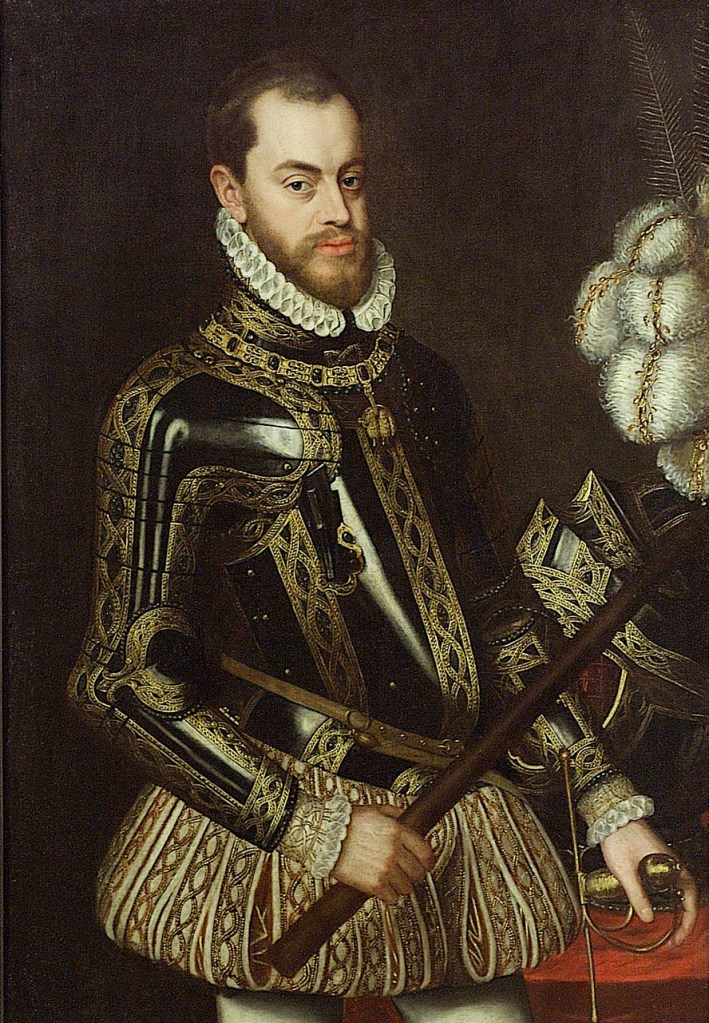
The origins of the Three Hundred Thirty Five Years’ War can be best described as an off-shoot of the English Civil War fought between 1642 to 1651. Say what you will about Henry VIII, but his reign set the stage for England’s ascent on the world stage. Henry’s founding of the Church of England was seen as heresy by the fiercely Catholic King Philip II.
After defeating the Ottoman Empire at the Battle of Lepanto in 1571, Philip II saw himself as Europe’s chief defender of the faith. As a result, in 1588 he formed an alliance with United Provinces of the Netherlands and launched the supposedly invincible Spanish Armada to conquer England and return the protestant kingdom to Catholicism. Their loss, coupled with the fact the English were now building an empire with a piracy campaign against Spanish shipping between Europe and the New World only bolstered their resolve the bring the island kingdom to it’s knees.
When England descended into civil war between the Royalists and Parliamentarians, the United Provinces of the Netherlands quickly allied themselves with those wanting to remove King Charles I from the English throne.
With the support of the Dutch Navy, Oliver Cromwell and his Parliamentarians had fought the Royalists to the edges of the kingdom; Cornwall in the far southwest of England stood as the Royalists last stronghold. In 1648, Cromwell’s forces pushed the Royalists out of Cornwall, who were forced to retreat to the Isles of Scilly which lay off the Cornish coast in the English Channel.
English Royalists vs. The Dutch
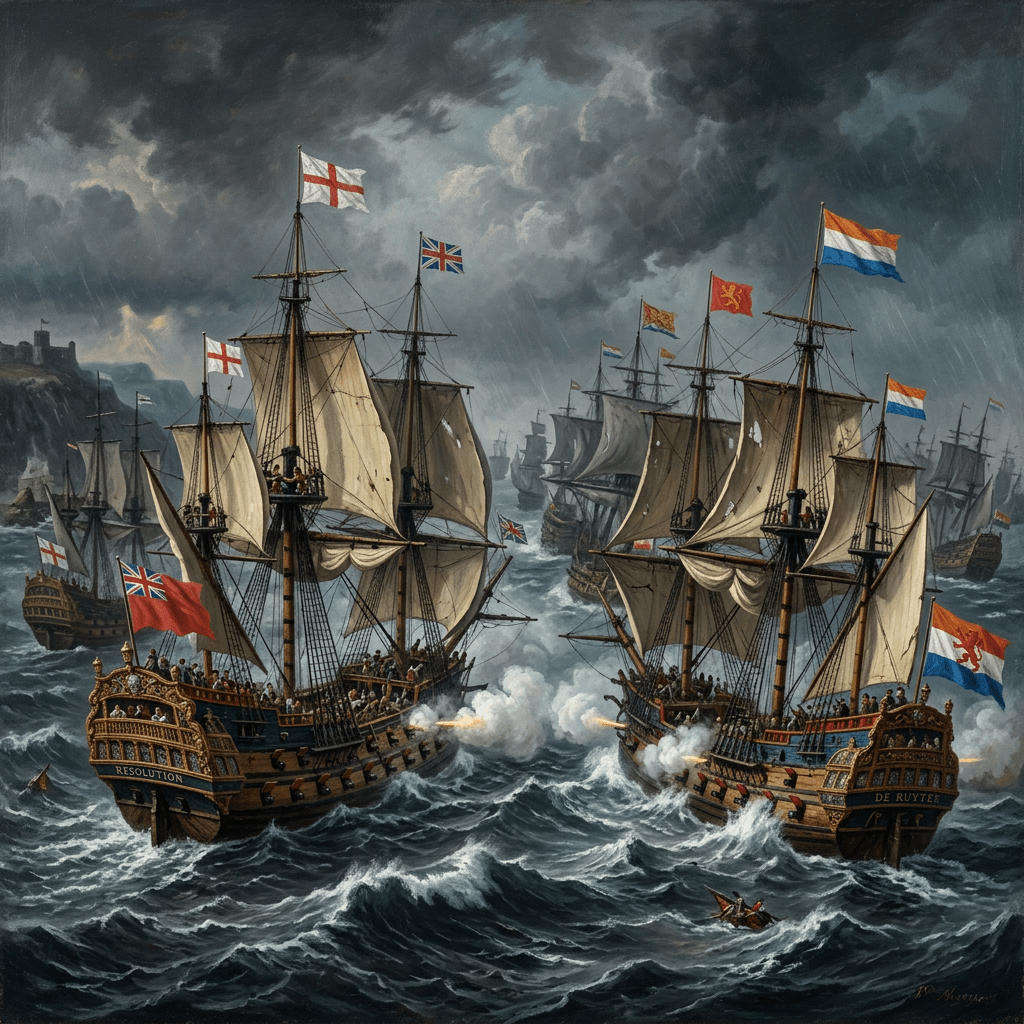
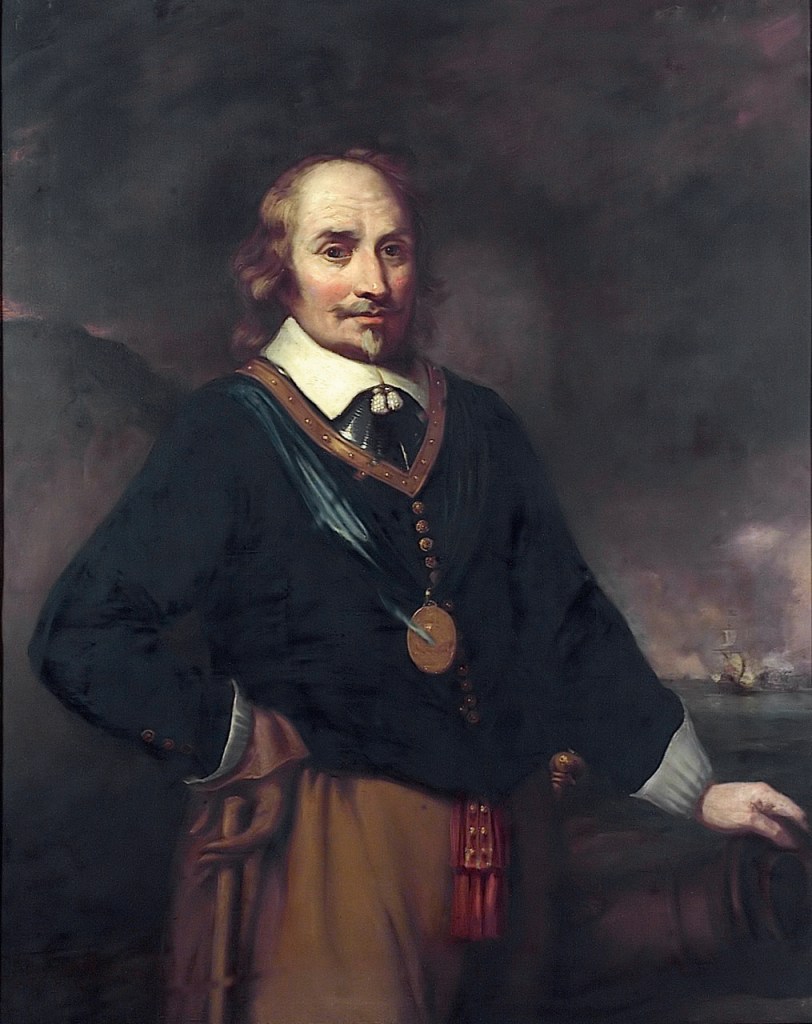
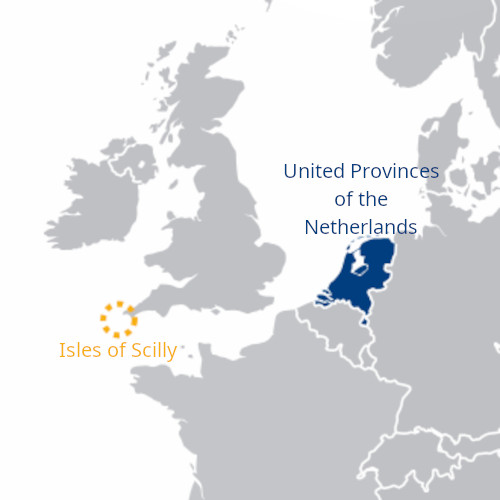
The alliance between the United Provinces of the Netherlands and the Parliamentarians meant the Royalist navy now based in Scilly considered the Dutch merchant fleet as far game for the old English tradition of piracy. In fact, the Dutch suffered such large losses that on March 30th, 1651, Dutch Lieutenant-Admiral Maarten Harpertszoon Tromp arrived in Scilly to demand reparations from the Royalists.
The commonly accepted story here is that when the Royalists finally told Tromp to pound it out his porthole is that he declared war on the Isles of Scilly on April 17th, 1651. This only strengthened the alliance between the Dutch and the Parliamentarians.
The Actual “War”
When you think of major dates in English military history, you might think October 14th, 1066 (The Battle of Hastings), October 21st, 1805 (The Battle of Trafalgar), or September 1st, 1939 (the start of World War II). Given dates like that, it’s understandable how June 17th, 1651 flies under the radar.
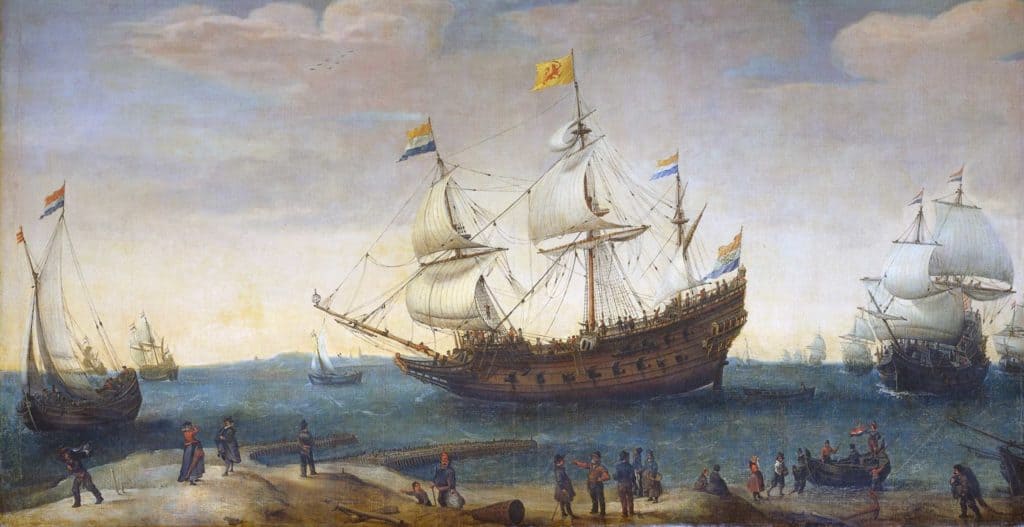
But that’s the one day that even remotely resembled a war. This was the day Parliamentarian Admiral Robert Blake sailed into Scilly and forced the surrender of the Royalist fleet without firing a single shot. Since there was no longer a threat from the Isles of Scilly, Tromp and the Dutch fleet returned to the Netherlands.
How It Ended
It shouldn’t shock anybody that a war with a nebulous beginning might also have a murky ending. Let’s walk through those schools of thought before we get to the one which matters most here.
The “Official” End
All hostilities between the English and the Dutch were ceased with the 1654 Treaty of Westminster. The problem was the pesky alliance between the Dutch and the Parliamentarians.
While the English Civil War led to a short-lived abolition of the English monarchy, the Parliamentarians had anything but a firm grip on governing the country. After the end of the English Civil War, political instability reigned supreme until the Royalists finally reasserted control and enacted the Stuart Restoration by installing Charles II (the son of the dethroned and beheaded Charles I) as King.
In short, by aligning themselves with the Parliamentarians, the Dutch bet on the wrong side.
The question of who actually signed the treaty and who was actually in power makes this matter even more complex. The Dutch signed the treaty with who was in control of the Commonwealth of England in 1654…which was the Parliamentarians. But a mere six years later, the Royalists and their disdain of most Parliamentarian policy represented another fundamental shift in Anglo-Dutch relations. More importantly, the matter of the Dutch declaration of was against the Isles of Scilly (which was under control of the Royalists) was never mentioned in the Treaty of Westminster. For those sticklers on diplomatic protocol, this meant there was never an official cessation of hostilities between the Dutch and the English crown.
Was It Even Actually A War?
There’s another school of thought among said sticklers which believes the Three Hundred Thirty Five Years’ is a myth of military history. The crux of the argument centers on the Treaty of Westminster was the end of the war because it was signed by the legitimate governments of the sovereign warring nations. The Isles of Scilly were English territory at the time and not a sovereign nation.
“Tromp had no ‘Commission’ from his government to declare war on the rebels in Scilly; but he did come to try – by a show of force, threats and even by violence perhaps, although this never happened – to seek reparation for Royalist piracies, but short of resorting to any action which might offend the Commonwealth even if [a war] had occurred in 1651, all matters pertaining would have been resolved in 1654 as a part of the treaty between England and the United Provinces at the end of the First Dutch War”
~ Sir Bulstrode Whitelocke
Whitelocke (1605-1675) was an English was an English lawyer, author, parliamentarian, and one of the commissioners of the Great Seal during the Interregnum. In other words, he was at the epicenter of the events of the day, and why to this day he remains as a standard bearer for the argument which contends that Tromp was only an admiral, not the leader of a sovereign state with the power to declare war.
A Scilly Statesman Saves The Day
Welcome to the part about “some guy named Roy.” In this case it’s Roy Duncan, who happened to be a local historian and chairman of the Isles of Scilly Council. The local legend…to the point of humor…was the Netherlands declared war on the islands in 1651 and never made peace, so technically they were still at war.
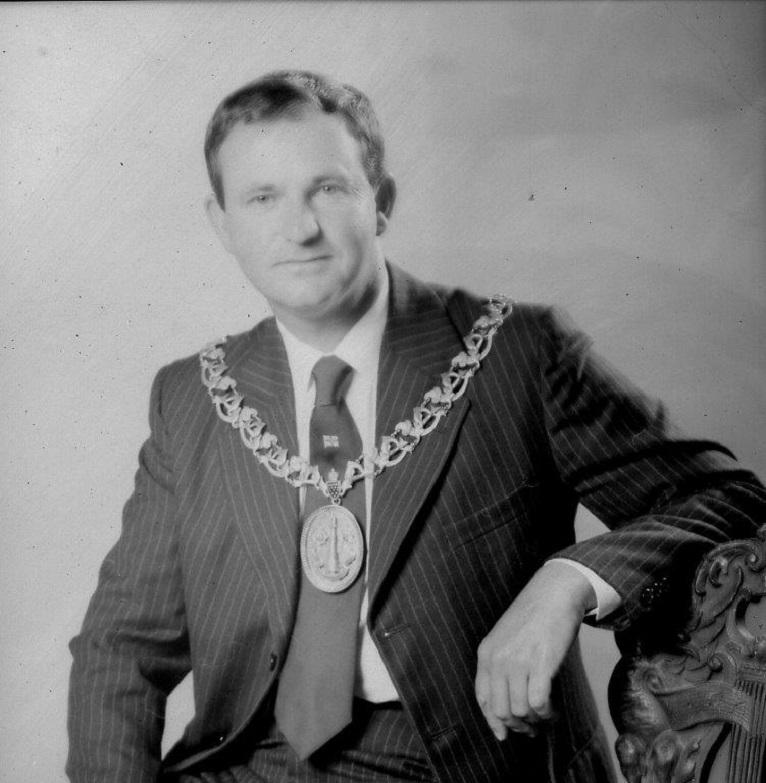
Being a historian, Duncan did a little digging and never found a official peace treaty or anything else rescinding Tromp declaration. Duncan wrote a letter to the Dutch embassy in London telling them of his findings. The letter was written mostly as a lark, so imagine Duncan’s surprise when he received a response from Rein Huydecoper, the Dutch ambassador to Britain.
After discovering the Dutch embassy staff also had no record of any peace treaty having been signed, Duncan invited the Dutch ambassador to visit the Isles of Scilly and end the war. On April 17th, 1986, Roy Duncan and Rein Huydecoper held a ceremony officially ceasing hostilities between the Dutch and the Scillonians…335 years to the day after Tromp’s declaration.
There really weren’t many Stranger Things than the Three Hundred Thirty Five Years’ War.
You can see all of Dubsism’s other forays into history here.
Got a question, comment, or just want to yell at us? Hit us up at dubsism@yahoo.com, @Dubsism on X, or on our Pinterest, Tumblr, BlueSky, Truth Social, or Instagram, or Facebook pages, and be sure to bookmark Dubsism.com so you don’t miss anything from the most interesting independent sports blog on the web.


[…] Dubsism – Story Time With J-Dub Episode 18: How Some Guy Named Roy Ended Europe’s Longest War […]
LikeLike
Awesome article! I definitely learned something new today! On Stranger Things, in the episode when Eddie Munson was introduced, he said he was going to graduate in April (his exact quote was “I’m gonna walk that stage next month”). For context, the season Eddie appeared in takes place between March 21st to 27th, 1986. Based on what you said about 1986’s historical events overshadowing accomplishments, that means there’s a chance Eddie’s graduation could have been overshadowed by the Chernobyl disaster. I never thought about that until you brought it up. Anyway, thanks, J-Dub, for participating in The “Eddie’s Year” Blogathon!
LikeLike
You had such a different approach that I really wanted to do something as unique to match!
LikeLiked by 1 person
Whoa! I had NO idea about the 335-year war. Thank you for sharing all this research.
LikeLike