
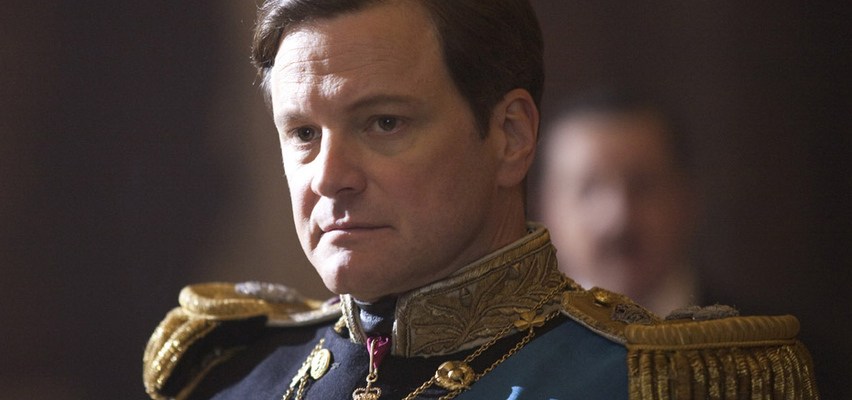
Editor’s Note: Thanks to the Movie The King’s Speech, George VI came back into the view of the American populace. If it weren’t for that movie, most Yanks had long since forgotten George VI’s role as a wartime leader and the fact he ruled sovereign over a quarter of the world.
Much as he did through the Second World War, His Majesty George the Sixth, King of Great Britain, Ireland and the British Dominions beyond the Seas, Defender of the Faith, and Last Emperor of India endeavors to offer insights on the world of sport.
If you recall, I first came to commentary on this electronic screed back during the dark days of the NFL Lockout. Since then, I’ve become a dedicated fan of both blogs and American sport. One aspect that I particularly enjoy is one shared here on Dubsism; the comparison of something historic to something sporting. I’m sure many of you descendants of those treasonous colonists are aware that Great Britain has a long and storied history, even with it’s current clownish government and that bloody cockwomble grandson of mine on the throne.

But as part of the 250th anniversary of Americc’s Declaration of Independence, I might I remind you Yanks that along with your original thirteen colonies, the British Empire once controlled a quarter of the known world. To accomplish that, we had to produce an inordinate amount of gifted leaders. The paradox is that in order to produce such a wealth of nobility, one must also produce a significant number of madmen.
To that end, here’s ten of my personal favorite nutters who still added to the milieu that is this blessed plot, this earth, this realm… this England. Besides, despite your treason, English blood still flows in your American veins…which is why all our loons have a sporting equivalent you will inherently understand.
10) Lieutenant Colonel John “Mad Jack” Churchill (1906-1996)
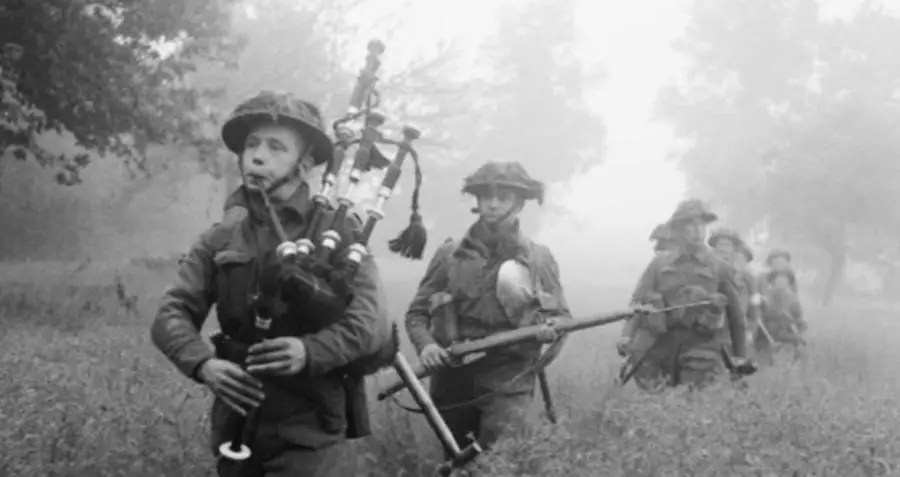
“Mad Jack” Churchill was born in Hong Kong in 1906 into an Oxfordshire family with a long lineage of military service in defense of the crown. He served with gallantry during the Second Great War leading guerrilla attacks behind the German lines. However he was known for leading men into battle with a set of bagpipes and armed with a longbow and a Scottish claymore broadsword.
In keeping with the family tradition, he was graduated from Royal Military Academy Sandhurst in 1926. Churchill was commissioned as a Second Lieutenant in the Manchester Regiment. 1940 saw Churchill as the second-in-command of an infantry company in the British Expeditionary Force in France. During their chaotic retreat to Dunkirk, his use of longbows and swords was a calculated effort to inspire his men and terrify the enemy. Churchill’s exploits on the beaches of France earned his first Military Cross.
Once back in England, Churchill volunteered for the newly-formed Royal Commandos, an elite unit specializing in raids and unconventional warfare. His fearless leadership and flair for the dramatic made him a perfect fit; traits contributing to his second Military Cross during a 1941 raid on Vaagso, Norway.
At the Salerno landings during the Italian campaign in 1943, Churchill led a night raid against German positions near Piegoletti. Churchill and his corporal captured 42 Germans in one fell swoop; “Mad Jack” forcing their surrender at the point of his trusty claymore.
But it was at the 1944 battle of Brač during the Dalmatian Coast campaign where “Mad Jack” truly cemented his legacy. While leading a patrol comprised of Royal Commandos and Yugoslav partisans, they were ambushed by German infantry. All of Churchill’s men were killed, and “Mad Jack” was out of ammunition. Churchill defiantly stood his ground playing his bagpipes until being knocked unconscious by a grenade.
As you might expect, he promptly escaped from a German prisoner-of-war camp and made his way back to England.
Sporting Equivalent: Roger McDowell
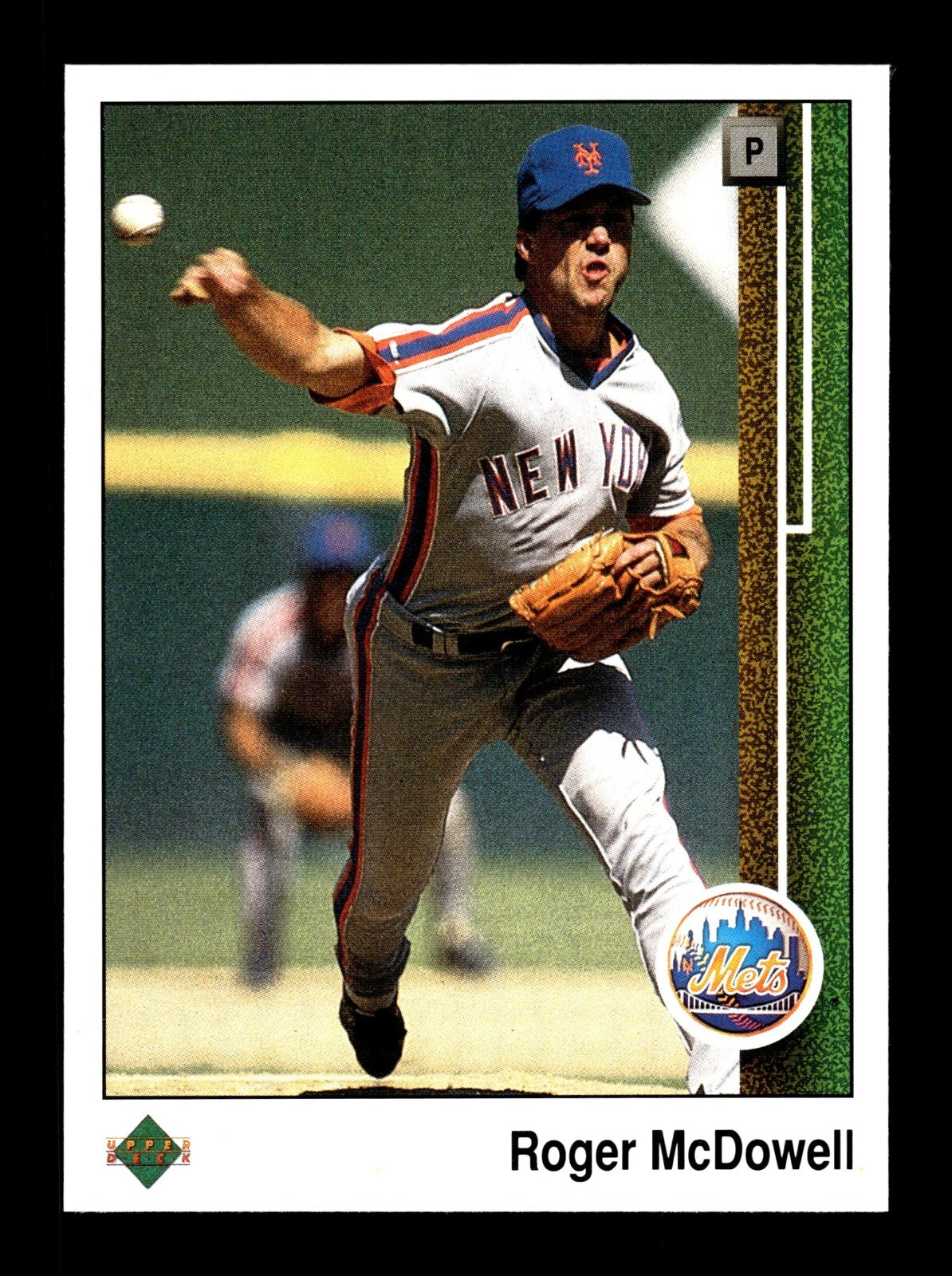
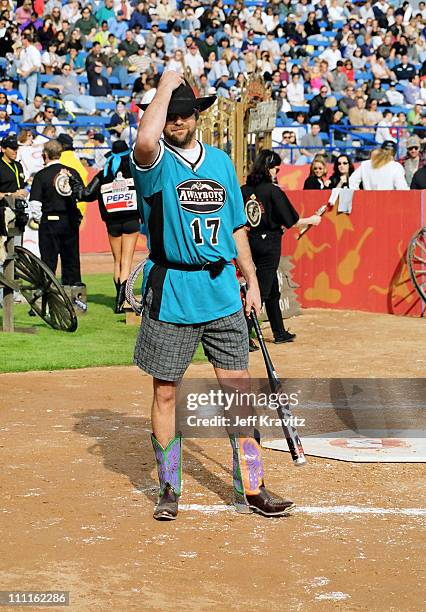
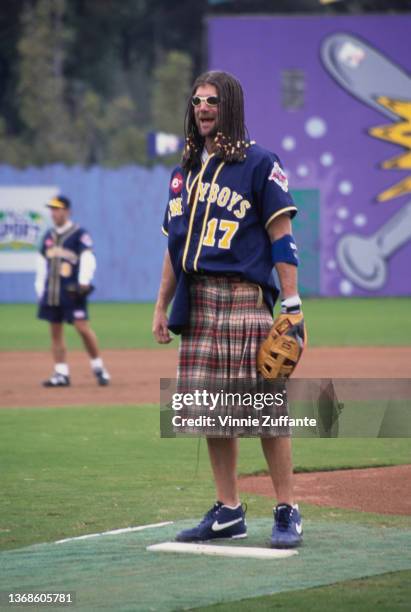
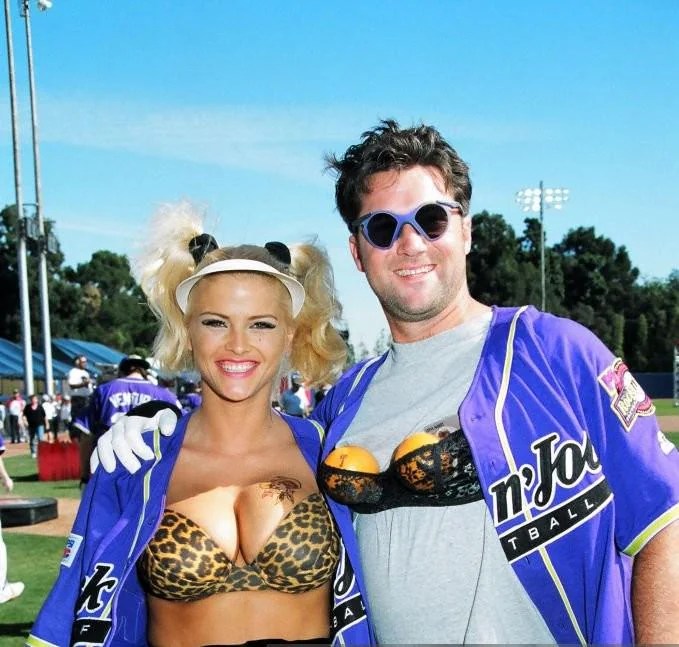
Unless you’re a New York Mets fan pining for 1986, or you’re one of those fans in San Francisco whose sexual preference he questioned in a rather impolitic manner, McDowell has largely been relegated to the annals of American sports history. However, we mustn’t overlook that in his day, Roger McDowell was a first-class pitcher and similar-level loon.
In fitting with your odd American tradition of celebrating your nation by blowing up small bits of it, one of McDowell’s favorite dugout antics included tossing firecrackers at teammates. He was also a master of the “Hot Foot;” a practice involving wrapping a wad of chewing gum around a lit cigarette, then secretly sticking it to somebody’s shoe.
To the MTV Generation, McDowell is best known for his appearances on Rock N’ Jock Softball; almost always in some sort of outlandish costume. But the biggest bit of McDowell’s fame came in 1992 when he appeared in an episode of the popular sit-com Seinfeld titled The Boyfriend. Featuring McDowell and fellow New York Mets legend Keith Hernandez, the episode tells the tales of one of the characters claiming to having been spit on by Hernandez after hurling insults at him. McDowell appears as a shadowy “second shooter on the grassy knoll” figure in a rather cheeky slash of the Zapruder Film; using baseball to parody another American past-time…shooting your presidents.
9) John “Mad Jack” Mytton (1796-1834)
I do believe there’s a term in your baseball about “back-to-back” Jacks. The next “Mad Jack” is far different than the previous…with the exception of being completely mad.
Born of Regency gentry, even from a young age Mytton was known for his wild spending. For example, when he left for his university days at Cambridge, he took two thousand bottles of port with him. That seemed to have been his lucky number; throughout his life he kept two thousand hounds for hunting.
As one might expect, such a chap stays interested in school not long after the wine runs out. Once he became bored with all things academic, Mytton played gadabout around Europe, tried a short stint in the military, and even literally tossed his hat into the political ring.
Mytton’s version of campaigning was going about town topped with a hat festooned ten-pound notes, which he encouraged potential voters to snatch. Foreshadowing the future of politics on both sides of the pond, Mytton spent a fortune to win his seat, yet literally did nothing in his parliamentary career. He only ever attended one session, found the it to be boring and felt the chamber was hot and uncomfortable. After half an hour, Mytton left…never to return.
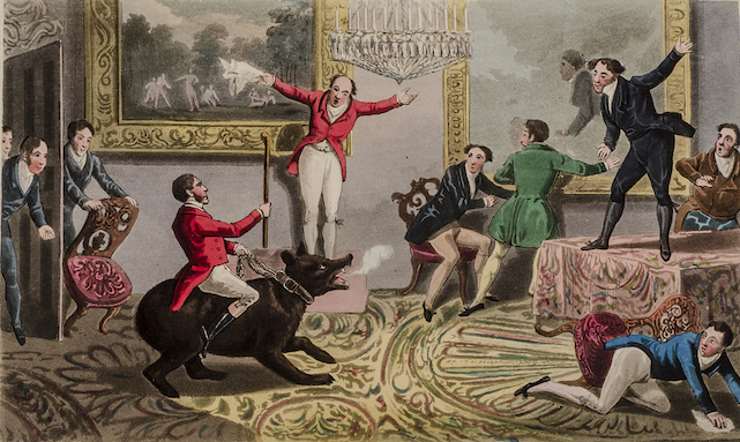
Likely the most known of Mytton’s exploits involved his riding into a gathering at his home riding a bear. Resplendent in a full hunting outfit, Mytton spurred the bear, which turn in anger and nearly bit Mytton’s leg off.
All tolled, Mytton managed to blow an entire fortune in his 38 years, ultimately leaving this mortal coil as a debtor.
Sporting Equivalent: Mike Tyson
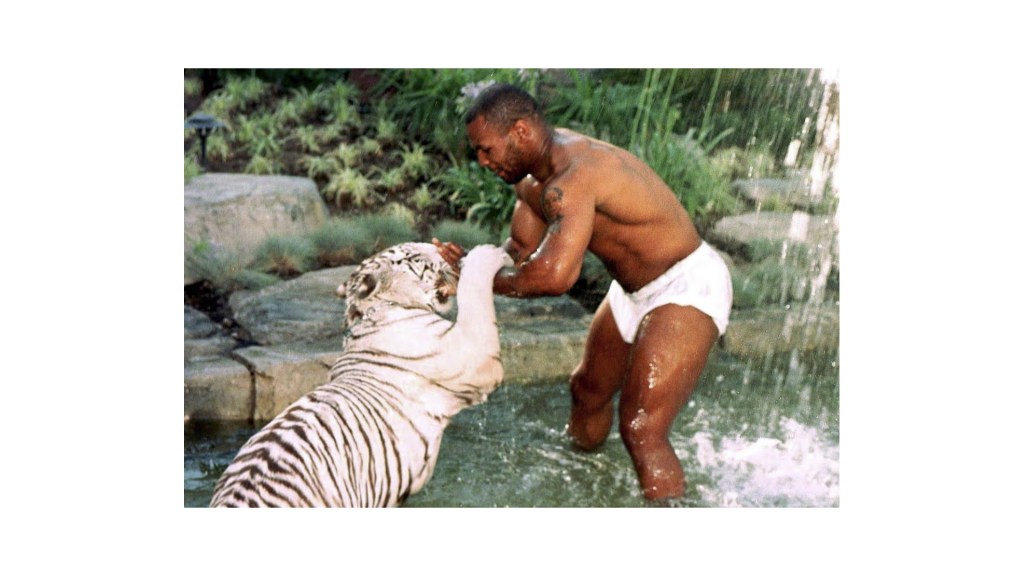
Just as the second “Jack” differed from the first, his sporting equivalent may not seem obvious at first. But the differences between them are merely cosmetic. The fact is both Mytton and Mike Tyson plunged themselves into insolvency with silliness such as buying ferocious wild beasts. Tyson was notorious for having a trio of white Bengal tigers, one of which dished out a much larger financial bite.
At least Mytton’s bear did it’s damage to him. Mike Tyson was ordered to get rid of the tigers after one of them bit off a woman’s arm. The resulting lawsuit, the settlement, and years of purchases like a $2 million 24-carat gold bathtub landed the former champ close to $40 million in debt, leading to his 2003 bankruptcy.
8 ) James “Jemmy” Hirst (1738–1829)
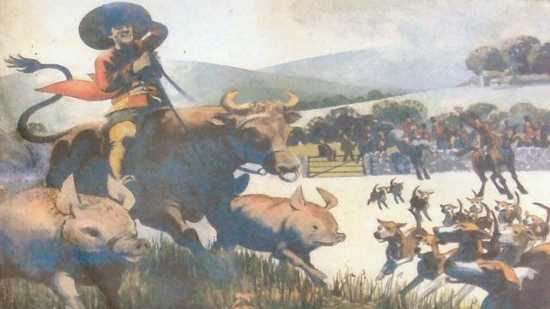
From a young age “Jemmy “Hirst had a fascination with animals and training them. His childhood home was a farm in Yorkshire where he kept a pet hedgehog and various birds he trained. According to legend, Hirst delved deeply into his obsession after the untimely passing of his fiancé.
Hirst was best known for “Jupiter,” a bull Hirst trained as a horse. He would ride Jupiter in hunts, where he also used trained hogs as hounds. Jupiter was also trained to pull Hirst’s homemade coach, which was entirely hand crafted of wicker and shaped to resemble an onion. Even my great-great-great-grandfather King George III was so taken with Hirst upon their meeting he gifted him with several bottles of wine.
Sporting Equivalent: John Riggins
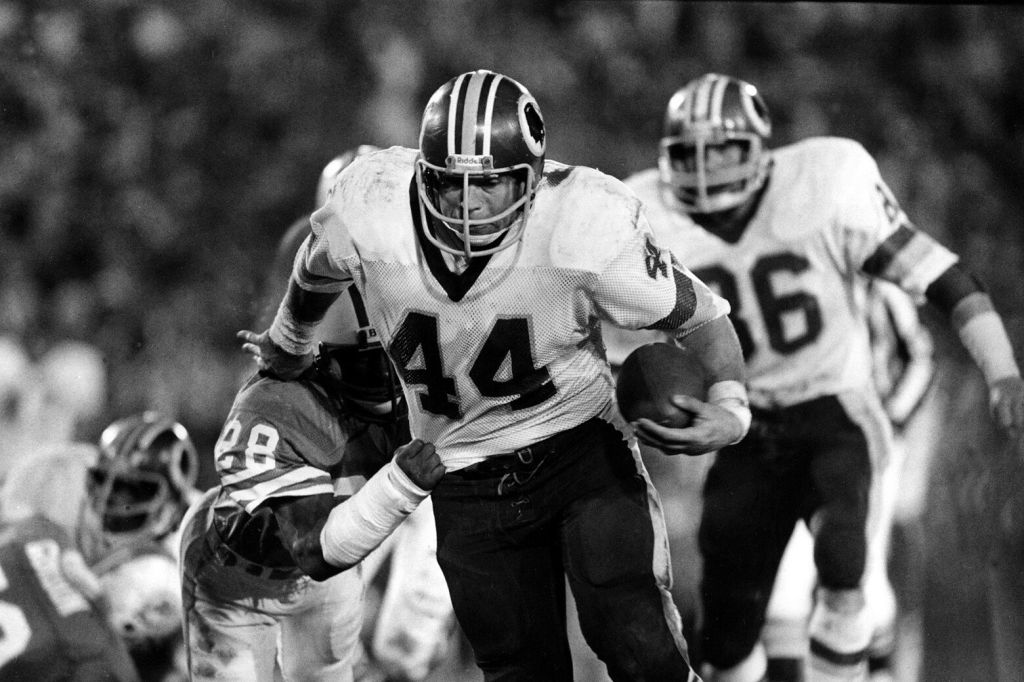
Some say the legend of “Pig Alley” is apocryphal, some say different. The question is did Hall-of-Fame running back John Riggins really raise baby pigs in his locker? Frankly, the meat in this tale is in what made people think such a preposterous thing was even possible.
John Riggins was a legendary slob and a certified eccentric, known as much for his bizarre antics as his bruising “bull in a china shop” running style. There was a row in the Washington Redskins’ locker room belonging to the members of “The Hogs,” their dominant offensive line of the 1980s. Because linemen love big, bruising runners, “Riggo” was an honorary “Hog.”
“Pig Alley” was just as you might expect; an unkempt locker room “wild west” occupied by very large men who were also larger-than-life characters. Kansas-born “Riggo” was the wildest of the “wild west,” he was notorious for using “Pig Alley” as his personal hunting lodge. His locker was never without camouflage gear, hunting rifles, and dead game. So whether or not there really piglets in his shoulders pads it irrelevant. It takes preposterous sort of chap to make a preposterous story possible, and that’s exactly what John Riggins was.
7) Sir George Sitwell (1860-1943)
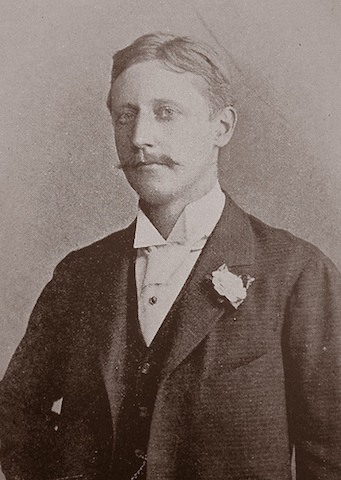
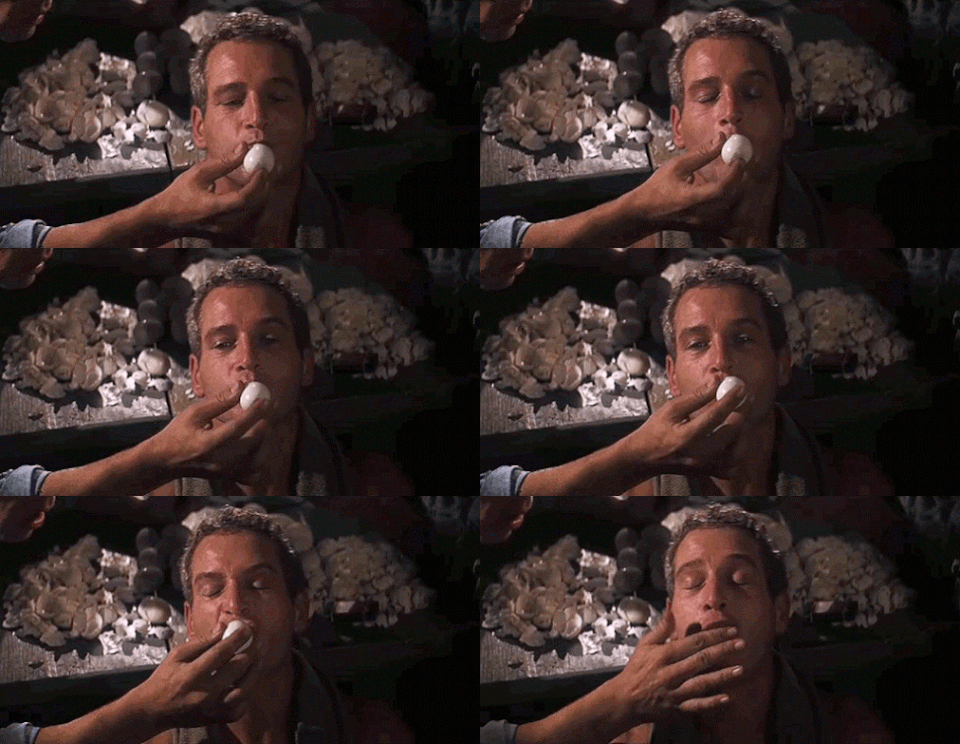
The biggest problem with describing Sir George Sitwell is where to begin. Obviously, the man was eccentric; hence his presence on this list. Sir George was known for several odd inventions, not the least of which was a miniature pistol for shooting wasps. This also the man who felt the world had a need for a musical toothbrush. That may have come in handy after having one of his “eggs” made of smoked meat and rice and covered in lime for travelers to carry.
The most telling thing about Sir George was a sign on his house with the following advisement for visitors:
“I must ask anyone entering the house never to contradict me or differ from me in any way, as it interferes with the functioning of my gastric juices and prevents my sleeping at night.”
~ Sir George Sitwell
I might suggest Sir George’s gastric problems may have come from eating too many of his own “eggs.”
Sporting Equivalent: Wade Boggs
To be perfectly frank, superstitious people are weird by nature, and nobody are more superstitious than your American baseballers. Amongst them, nobody stood out more than Hall-of-Fame third baseman Wade Boggs. He was a a 12-time All-Star, won five batting titles, knocked over 3,000 hits, and racked up a .328 career batting average.
Throughout that storied career, Boggs had a cornucopia of odd ball routines. He took batting practice every day at 5:17 p.m., took 150 groundballs before every game, and before every at-bat, he drew the word “Chai” (the Hebrew word for “life”) in the dirt before stepping to the plate.
But his most famous superstition answered the age-old “chicken or egg” question. Unlike Sir George “Egg Man” Sitwell, Boggs religiously ate chicken before every game. It didn’t matter which kind…grilled, fried or even the distinctly American “beer-can” chicken…he ate so much of it as to earn the moniker “Chicken Man.”
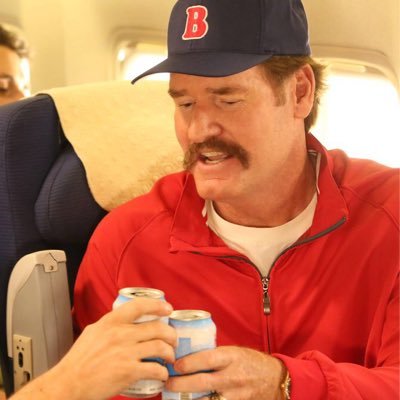
But eating that much chicken begs yet another question. With what beverage does one wash down all that fowl? It only seems logical that to make “beer-can” chicken, one would need at least one empty beer can. There are many tales of yore that Boggs did more than his fair share of can-emptying. Legend has it Boggs knocked back 107 beers in a single day, including 73 during a flight from Boston to Seattle.
Like most folklore, the details range depending on who’s telling the tale, but the common themes say Boggs starting wading through the suds immediately after finishing a “get away” day game in Boston, continued quaffing all during the bus ride to the airport, came no where stopping during the six-hour flight to the west coast, and finished up as the team went out for a night on the town in Seattle.
6) Matthew Robinson, 2nd Baron Rokeby (1713–1800)
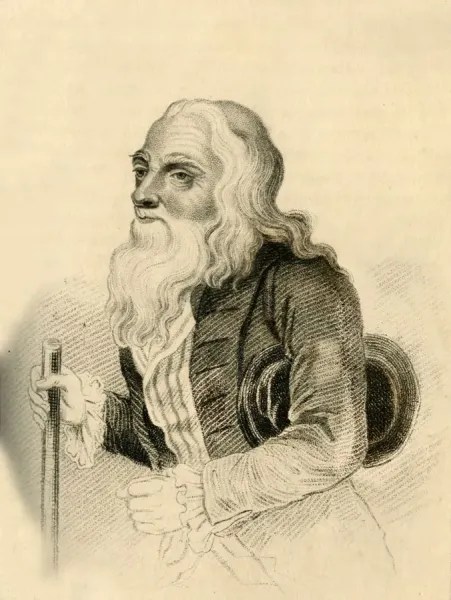
Is there a “fine line” between being an eccentric and a fanatic, or is one a sub-set of the other? Matthew Robinson, 2nd Baron Rokeby could be the “poster-child” for that question due to his obsession with all things watery. In his day, drinking water had little sanitary protections unlike now, which is why alcoholic beverages such as beer were so popular. But Robinson chose beef tea, a clear concoction made by steeping lean beef in water.
Every morning he would walk (followed by a carriage and servants) to the beach and swim until he was exhausted; the servants to drag him from the sea and the carriage to haul him home. Eventually, said servants convinced him to build a swimming pool on his estate. In either case, while bobbing about he often would be accompanied by a floating platter of roast veal. Despite his nuttery, Robinson lived to be 88 years-old.
Sporting Equivalent: Lyoto Machida

I will admit Machida is not a U.S. citizen, but Brazil is still part of what we “Old World” types call “America,” and Mixed Martial Arts (MMA) is more popular in the United States than anywhere else. Besides, this chap is so absolutely crackers that nationality simply can’t be a reason not to explore his sheer looniness.
Then there’s the matter of weird watery obsessions. What else is there to say about a gent who drinks his own wee?
Not only that, both he and his father are somewhat fanatical about it. Prior to an MMA event in 2010, Machida wasn’t just “letting the piss” out of reporters when he revealed both he and his father Yoshizo Machida drink their own urine every morning; singing the praises of it’s health benefits. To eliminate any doubt, Yoshizo downed a full cup in front the reporters.
5) Helena, the Comtesse de Noailles (1826-1908)
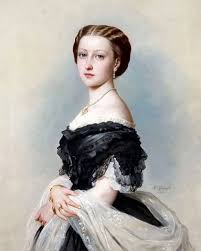
Helena was born into a family of wealth and nobility, but the course of her life would sook take some turns due to her unconventional decisions and beliefs. After a short-lived marriage to the Duc de Mouchy, she remained childless. But she did adopt a young girl, where she had some unusual child-rearing techniques.
For starters, she insisted the girl only wore loose-fitting clothing so as not to restrict her circulation. She drained a nearby pond believing it to be a possible source of infection. On to of that, Helena became convinced methane gas was the key to health. As such, she kept her mansion surrounded by cows; believing their flatulence to be a well-spring of vitality.
Sporting Equivalent: Marge Schott
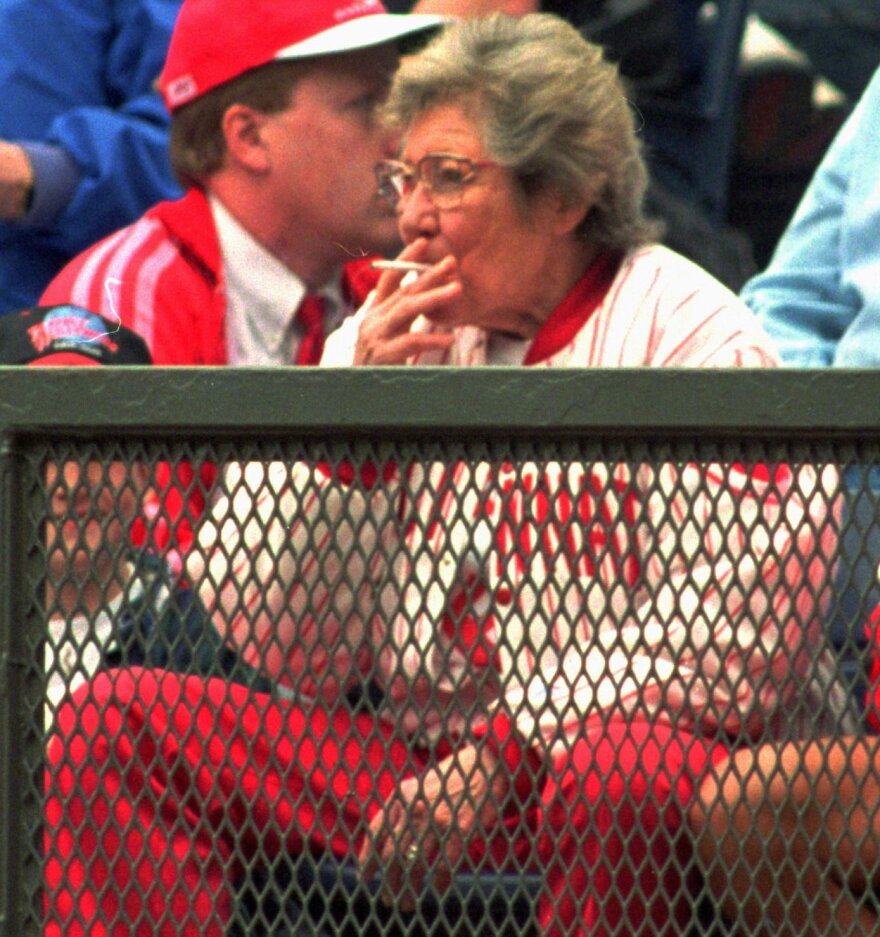
Helena is one of the last people who should have been allowed to adopt a child, but be it now or in my great-grandmother Queen Victoria’s era, nobility carries a tremendous weight. Likewise, Marge Schott is one of the last people who should have owned a Major League Baseball franchise, but in any era never underestimate the power of inheritance.
That’s precisely how a college girl from Cincinnati ended up with the wherewithal to buy her hometown Reds. Born Margaret Unnewehr in 1928, she married Charles Schott in 1952. The Schotts were a wealthy “old-money” Cincinnati family. When her husband died of a heart attack in 1968, Marge Schott found herself as veritable “nobility” in the Queen City, having inherited a chain of automobile dealerships and vast holdings across several industries.
In 1984, she became the first woman to buy a baseball team when she acquired a controlling interest in the Cincinnati Reds. She also broke ground the next year when she was named president and CEO of the club. In no time, Schott’s Schott’s unconventional ways made her one of baseball’s most notable owners.
Outside of baseball, Schott was a noted philanthropist. She donated millions to Cincinnati Children’s Hospital. She gave so much money to the Cincinnati Zoo they named an Asian elephant after Schottzie, her pet Saint Bernard. She donated a second Asian elephant which was named Princess Schottzie II. Her huge contribution to the construction of a camp for the Boy Scout led them to christen it’s man-made body of water as “Lake Marge Schott.” Schott gifted so generously to her alma mater that the University of Cincinnati put her name on it’s baseball stadium.
When it came to her baseball team, she fiercely defended the Reds’ business model of being a family-oriented franchise. She allowed children to run on the field before and after games. Fans praised her hard-line of keeping ticket and concession prices low. Unlike most owners, she eschewed the usual luxury box far above the fans, opting instead for a regular box seat. Here she would sign autographs and was noted for her chain-smoking and the constant presence of Schottzie.
However…
Schott’s irascible nature led to her downfall. Players disliked her habit of letting Schottzie run free on the field. One of the first quotes which landed her in hot water came a result of being told due to a city ordinance, she was not allowed to smoke in Riverfront Stadium.
“It’s my goddamn ballpark. I’ll smoke anywhere I want.”
~Marge Schott
Things only went downhill from there. Eventually, she was essentially kicked out of baseball for making impolitic statements such as the time she banned Reds’ players from certain kinds of jewelry, saying “only fruits wear earrings.” Schott was also known to have distinctly antisemitic views; often complaining about “those sneaky goddamn Jews.” She sold her interest in the Reds after being suspended from managing team operations after comments came to light about “Hitler did good things at first, but he went too far,” and referring to certain players as her “million-dollar niggers.”
4) William Cavendish-Scott-Bentinck, 5th Duke of Portland (1800-1879)
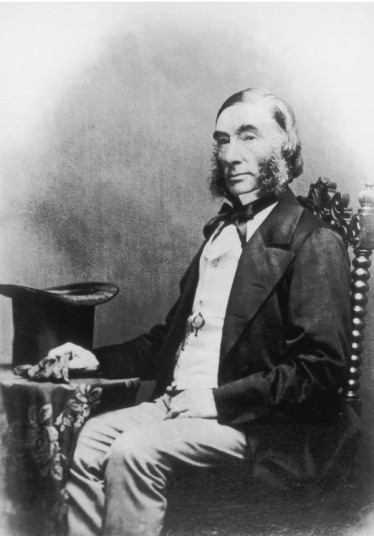
Cavendish is most known as a recluse, but he was not always that way. While he did spend the latter portion of his days secluded on his family estate at Welbeck Abbey, prior to that he was quite the public figure. In any event, Cavendish was a builder, even though eventually most of his projects were built underground where he could enjoy them in solitude. At the time of his passing, Cavendish employed thousands of men on just such projects.
Something prototypically Cavendish was his ballroom at Welbeck Abbey. Not only was it among the largest in England, it was also completely subterranean. It was capable of hosting thousands, yet the Duke routinely was the only one in attendance. Servants were directed to ignore him should they pass; violating this mandate resulted in immediate sacking. When he wasn’t entertaining anybody in his cavernous underground lair, he spent his hours alone in his chambers having food passed to him through a specially-made slot in the door.
Sporting Equivalent: Pete Maravich
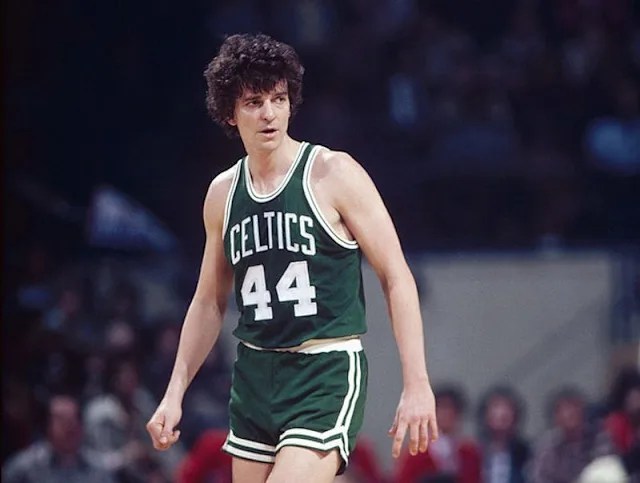
Cavendish was a builder; Maravich was the sort of bloke around which you built a basketball team. He was one of the great players of his time and one of the great scorers of any era. But after injuries forced his retirement in 1980, Maravich became a Cavendish-level hermit. He claimed his self-imposed exile was about a “search for life;” a pursuit including explorations through Yoga and Hinduism, delving into the writings of Trappist monk Thomas Merton, and developing a rabid curiosity about unidentified flying objects (UFOs). After researching the macrobiotic lifestyle in 1982, Maravich lived the remainder of his days as a strict vegetarian.
3) Sir Francis Dashwood, 11th Baron le Despencer (1708-1781)
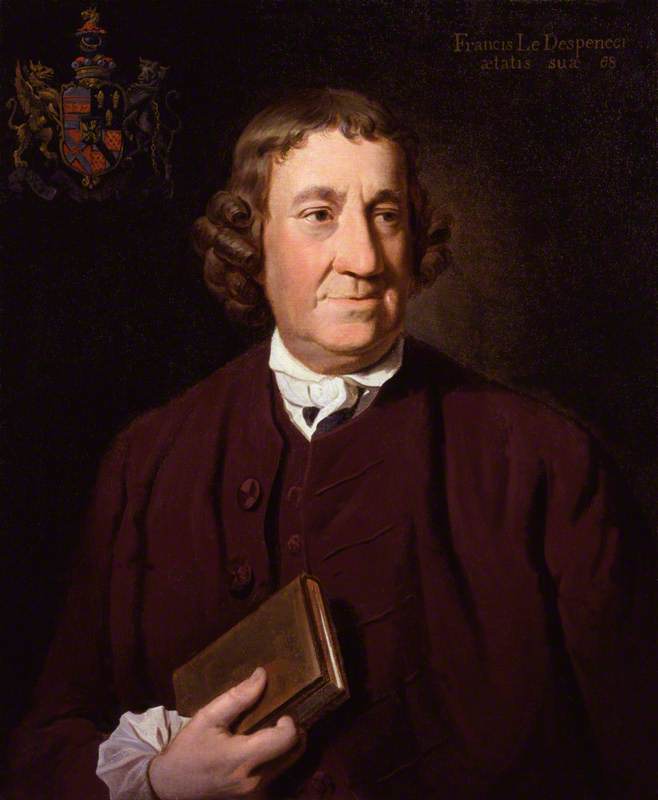
Another builder, Sir Francis Dashwood could be considered as the Frank Lloyd Wright of his era. Owing in part to his youthful world travels, Dashwood became one of the first English architects to bring the aesthetics of neo-classicism to the realm. To be pedestrian about it, he was the driving force behind the look of 18th-century England. For that, he was named Chancellor of the Exchequer; the kingdom’s chief finance minister and the head of His Majesty’s Treasury.
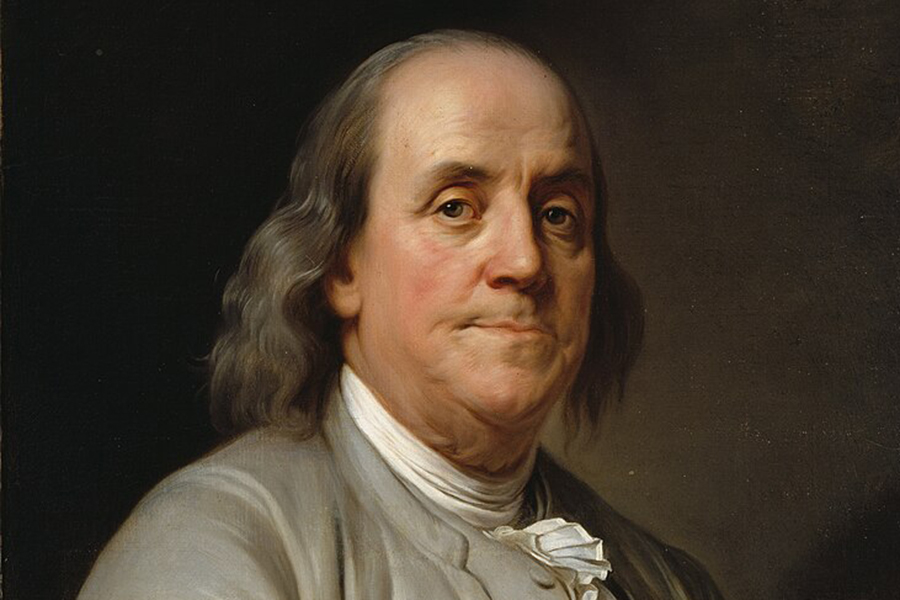
But he was also a drunken reprobate. With today’s appetite for the ribald, Dashwood is best remembered as the founder of the Hellfire Club. This group held it’s meetings in caves on Dashwood’s estate, where he was known to surprise his guests with antics such as releasing into the crowd a wild baboon costumed as the devil. A well-known and frequent guest of the Baron was your very own treasonous Ben Franklin. While he did not partake in the tawdriness of the caves; he di enjoy strolling Dashwood’s extensive gardens in the nude.
The Baron is best-defined by his own personal motto: Peno Tento Non Penitento. Translated from the original Latin, the English equivalent is “I feel my penis, not penitent.”
There’s literally no shame in that game.
Sporting Equivalent: Charles Barkley
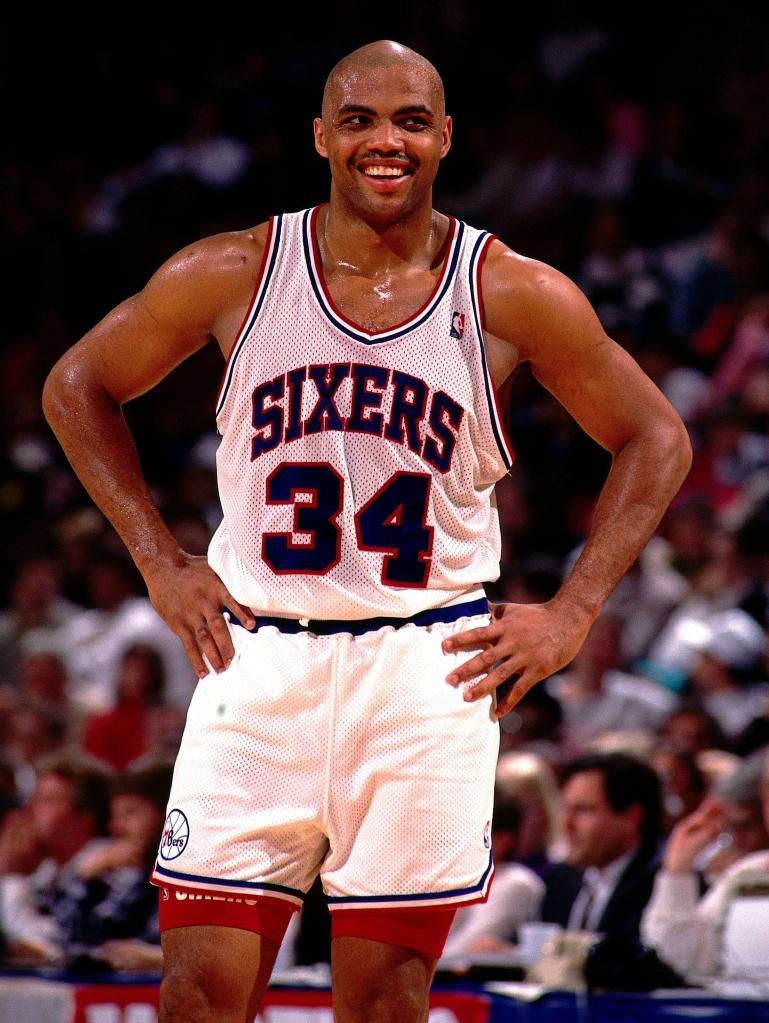
On the 250th anniversary of your colonial treason, and given the mention of Ben Franklin, how could we possibly have a list celebrating our common sort of weirdos without a mention of a man who made his basketball bones as a Philadelphia 76er?
Charles Barkley belongs on the Mount Rushmore of the National Basketball Association (NBA) of the 1980s and 90s. Easily one of the largest personalities in the history of the game, he’s only one of four players to amass over 20,000 points, 10,000 rebounds and 4,000 assists in his career.
But he also had his “reprobate” phase. He has a well-deserved reputation for placing enormous bets on sporting events; his gambling losses are rumored to be somewhere north of $30 million. But “Sir” Charles is is best-known for being arrested in Arizona on New Year’s Eve in 2008. Initially he was stopped by police for running a stop sign. He told the police he ran the sign because he was in a hurry to have a dalliance with a female passenger in his car; a woman later discovered to be a prostitute. To top it off, Barkley then failed a field sobriety test and was arrested for drunk driving.
At least he was honest about it. Barkley has always spoken candidly about his antics. After all, he did tell us all he isn’t a role mode…unless you really admire guys into gambling, drinking, and fornicating.
There’s no shame in that game, either.
2) Alexander Douglas-Hamilton, 10th Duke of Hamilton (1767-1852)
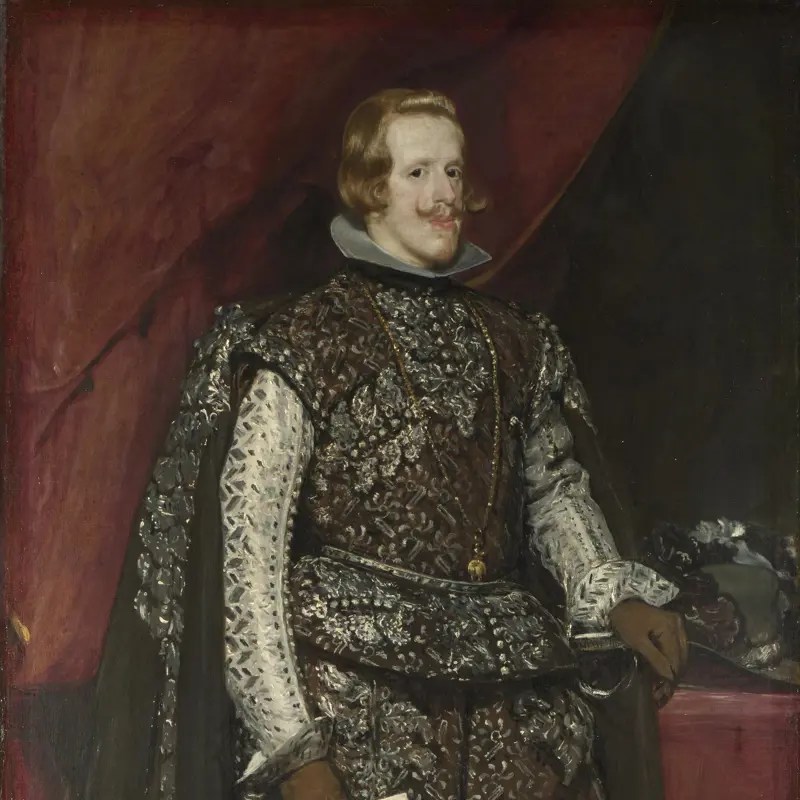
Not to be confused with your Alexander Hamilton, the duel-losing chap on your $10 bill. This one held the distinction of having even more titles than me. Douglas-Hamilton was also the Duke of Brandon, a Marquess, held three Earldoms, and a handful of Baronetcies. The Duke was obsessed with his lineage and the importance of his birth; likewise, he had impressive plans for his death.
In a supreme act of hubris, the Duke constructed a 120-foot high mausoleum. To go in it, he outbid the British museum for an Egyptian sarcophagus. Unfortunately, he purchased one designed for a princess. The Duke was a rather tall fellow; much larger than any Egyptian princess of 3000 years ago. So when the time came, he was far too large to fit in it. Even after literally being folded in half, attendants still had to remove the Duke’s feet to get him into the sarcophagus.
Sporting Equivalent: Al Davis
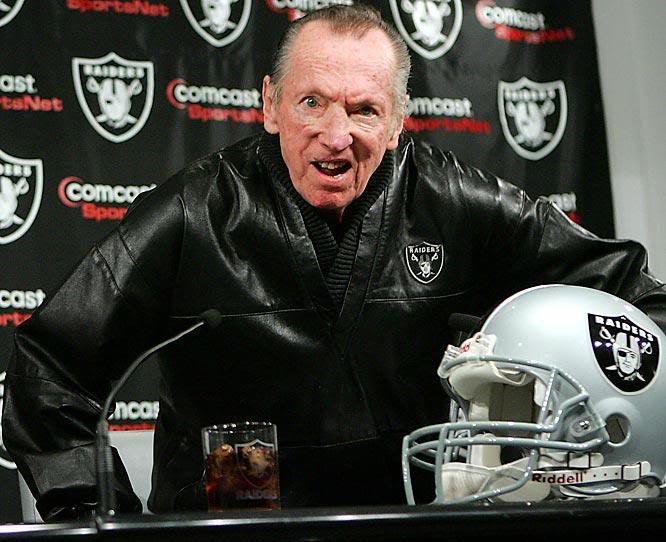
Al Davis was once a driving force behind what would become today’s incarnation of the National Football League (NFL). But there came a point when his own hubris consumed him, and he became the “crazy old man” of the NFL. One example is the former home of his Raiders, the Oakland Coliseum.
This venue was first called the “Mausoleum” by Oakland A’s baseball fans because of the sparse crowds the team drew in the late 1970’s. But later, the term took on a new meaning when Davis demanded an expansion of the stadium to accommodate new features for the Raiders.
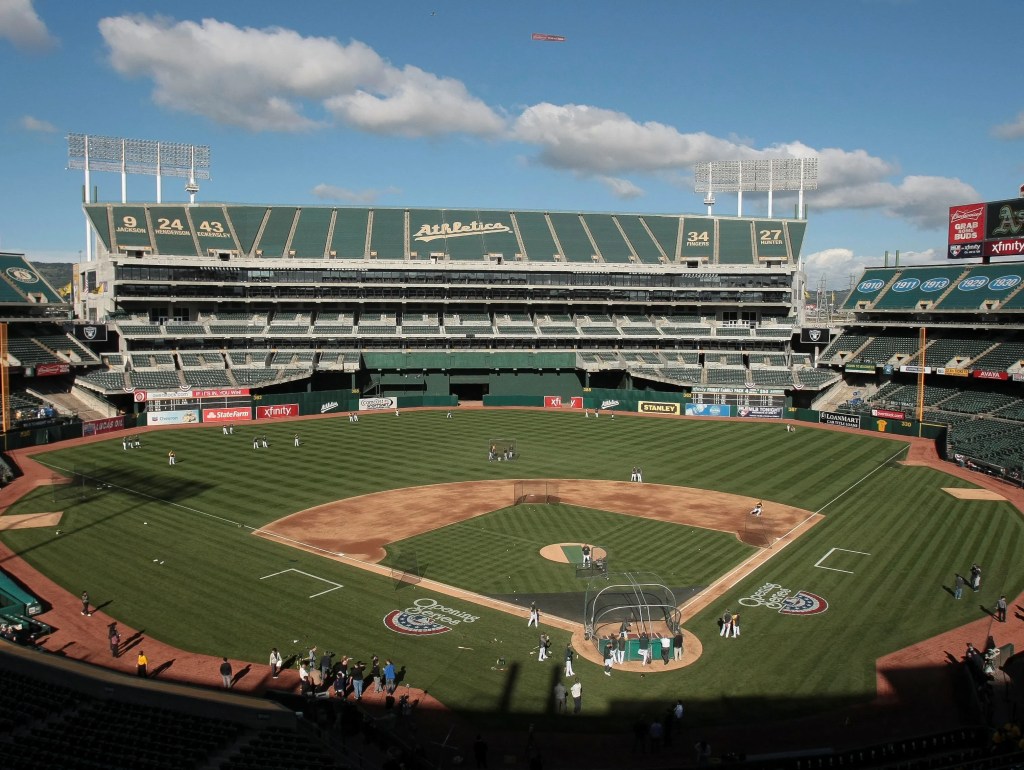
The result was a concrete monstrosity that towered over the existing structure; almost as if it was intended to menace the playing field. Even after it was built, both the A’s and the Raiders suffered so many low-attendance seasons, they both eventually left. But before that, both fanbases referred to the expansion as “Al Davis’ Mausoleum.”
He’s not really interred there…but he might as well be.
1) William Buckland (1784-1856)
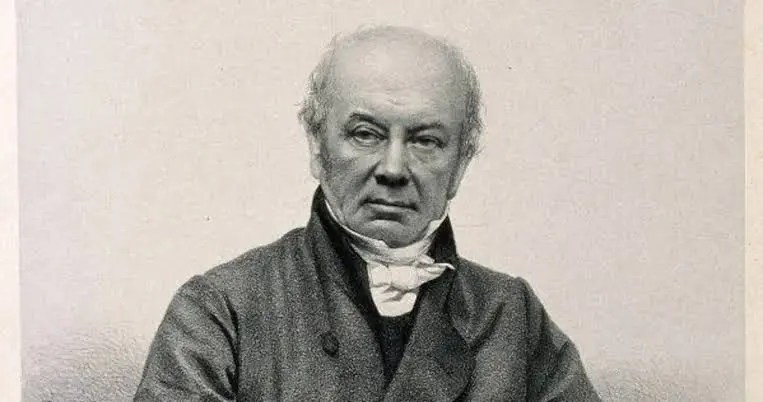
If you’re not familiar with the term “zoophage,” it stems from two Ancient Greek root words. “Zōion” translates to meaning “animal” or “living being,” derived from the Proto-Indo-European root “to live.” “Phage” was a verb derived from the Greek verb phagein (to eat). The root is also seen in terms involving consumption or feeding, such as esophagus (the gullet) or words ending in -phagia (swallowing disorders).
For terms of this discussion, think of it as you Americans would say “a carnivore on steroids.” Buckland did not just eat animals, he ate all animals. Buckland had a quest for seeking out new animals suitable to add to the human diet. He consumed mice, moles, crocodile, crickets, flies, and leopards…that we know about.
Sporting Equivalent: Michael Phelps
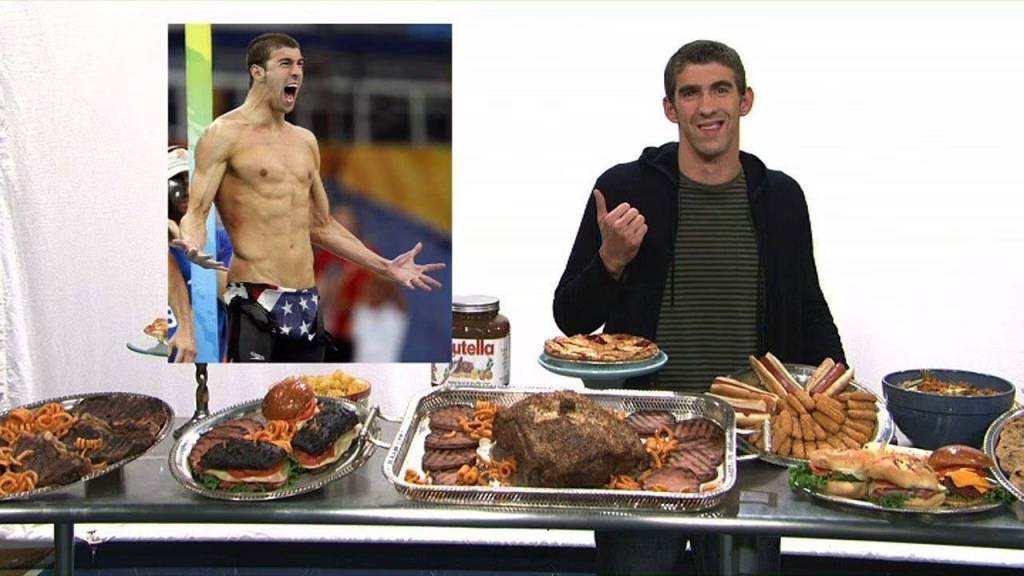
Apparently, it takes t tremendous amount of calories to power a human body for 30 hours of swimming, along with all the other athletic training involved in being the world’s greatest Olympic swimmer. The tale is while training for the 2008 Beijing Games, Michael Phelps routinely gulleted 12,000 calories in a day while. Just take a look at a sample daily listing:
- Breakfast:
- 3 fried-egg sandwiches with cheese, lettuce, tomatoes, fried onions, and mayonnaise
- 5-egg omelet
- 1 large bowl of grits
- 3 slices of French toast with powdered sugar
- 3 chocolate-chip pancakes
- Lunch:
- 1 pound of pasta
- 2 ham and cheese *sub” sandwiches with mayonnaise
- 1,000 calories worth of energy drinks
- Dinner:
- 1 pound of pasta
- 1 large pizza
- 1,000 calories worth of energy drinks
It’ s a small wonder Buckland ate anything he could find. After Phelps, there was precious little left.
Got a question, comment, or just want to yell at us? Hit us up at dubsism@yahoo.com, @Dubsism on X, or on our Pinterest, Tumblr, BlueSky, Truth Social, or Instagram, or Facebook pages, and be sure to bookmark Dubsism.com so you don’t miss anything from the most interesting independent sports blog on the web.


