

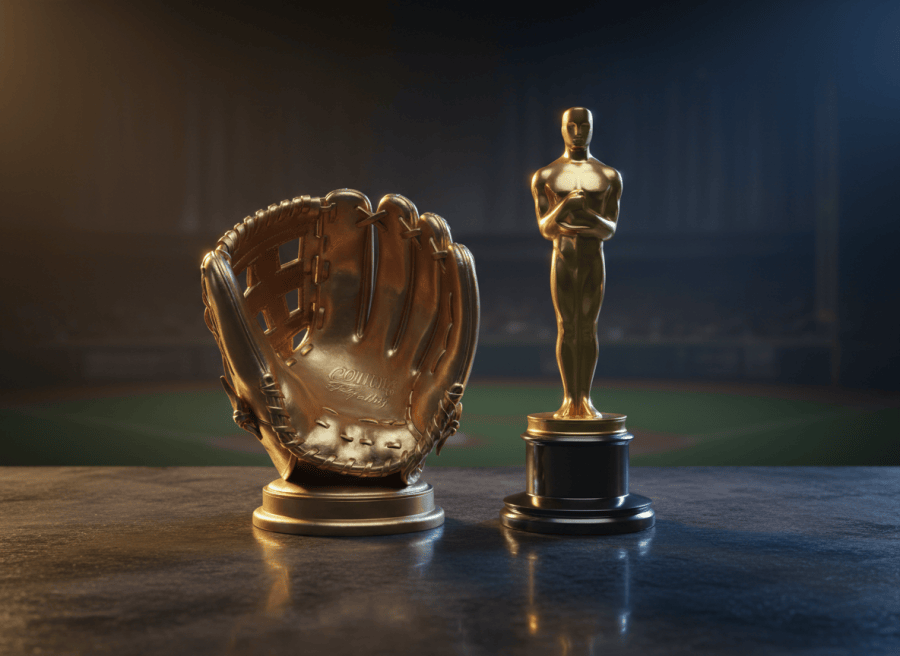
This all got started a few years back as a back and forth between yours truly and a film blogger I follow. Wherever there are awards to be given, there’s bound to be disagreements over who should have won. Leave it to this blog to be the one pointing that out.
Those debates happen in both the world of sports and film. In the movie world, that’s usually reserved for the Oscars. But since baseball just finished handing out their post-season awards, this is the perfect time to point out the comparisons which were so blatant they are universally understood by both baseball and movie fans alike.
Honorable Mention) 2009: Sandra Bullock Winning Best Actress (The Blind Side) Over Helen Mirren (The Last Station)
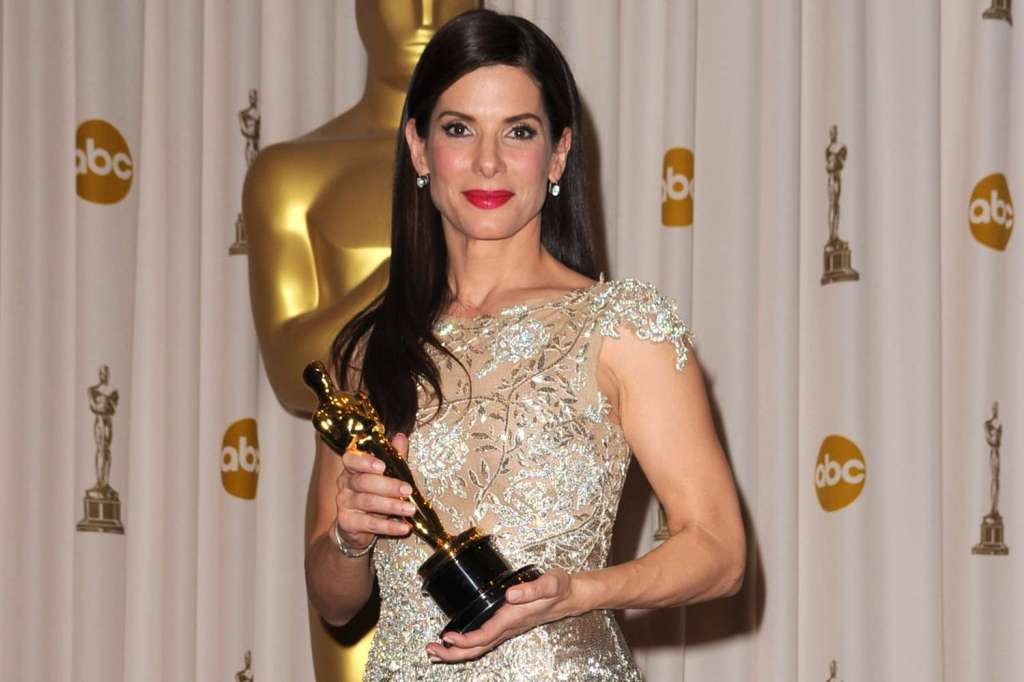
Maybe it’s because the sports guy in me knows how badly the makers of The Blind Side butchered the real story of Michael Oher. Maybe it’s because I just never could take Sandra Bullock seriously. Or maybe it’s because there’s no way she deserved an Academy Award for a meh performance in a crap movie.
The Baseball Equivalent: 1997: Liván Hernández Winning World Series MVP
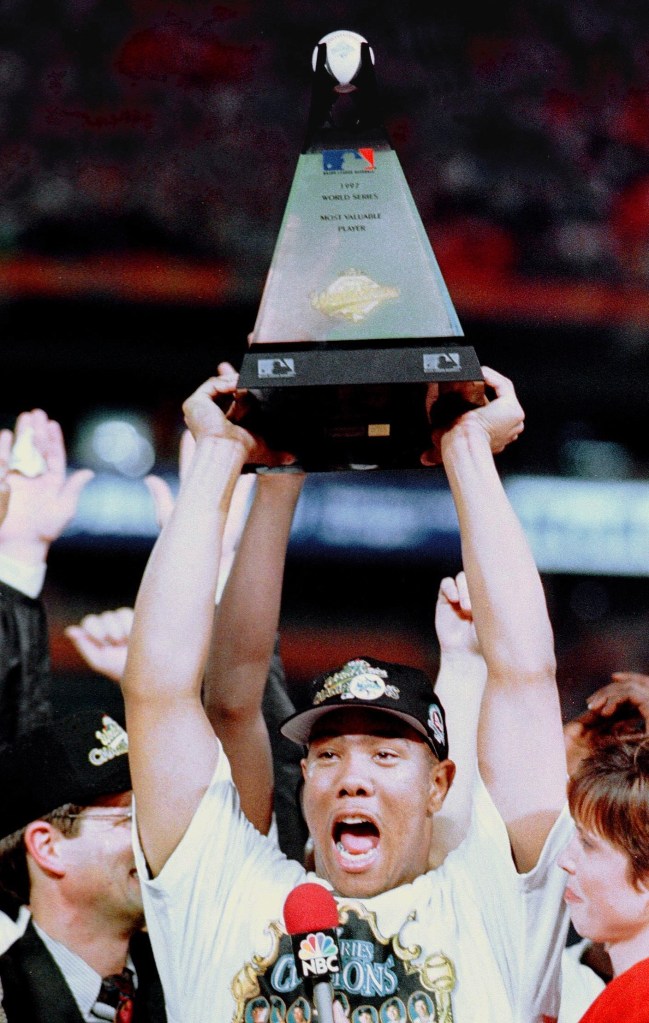
This was another example of a meh performance in a crap event. While the ’97 Series went seven games, it was really tough to watch as neither team really played like a winner.
The four year-old expansion team known as the Florida Marlins represented the best (and worst) of parity in Major League baseball. Despite becoming the youngest team to ever win a Fall Classic and the first Wild Card team to earn a world championship, the franchise would be unable to support it’s expensive list of mercenary players and would eventually find itself on the verge on contraction in a few short years.
The fact Liván Hernández was named 1997 World Series MVP bears that out. A 5.27 Earned Run Average for allowing 8 earned runs in 13.2 innings, along with with 10 walks against 7 strikeouts, and topped by the fact he gave up 3 homeruns…that’s a MehVP.
10) 1949: Broderick Crawford winning Best Actor (All The King’s Men) Over John Wayne (Sands of Iwo Jima and/or She Wore A Yellow Ribbon)
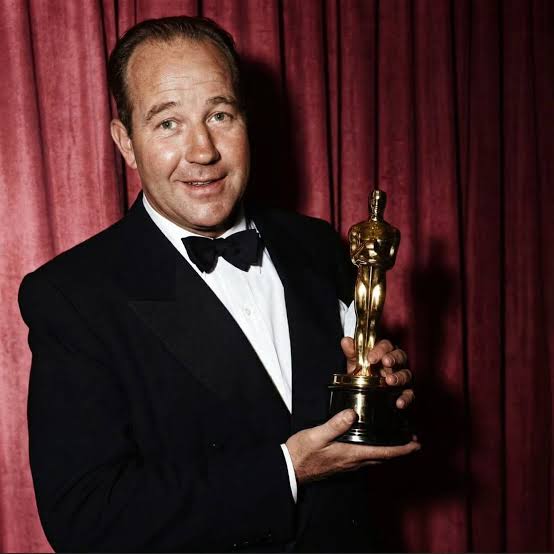
For my money, John Wayne should have won more than one Academy Award; there’s a reason why he’s #1 on my list of favorite actors. The fact he was only ever nominated twice is a sham by itself. Argue amongst yourselves as to the times he should have won; I’ll stick to the times he deserved (other than the two I’ve already mentioned in the header) a nomination and didn’t get one.
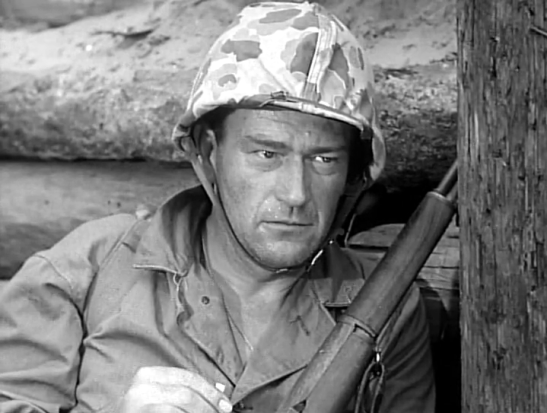
- 1945: They Were Expendable (Best Supporting Actor)
- 1948: Red River (Best Actor)
- 1952: The Quiet Man (Best Actor)
- 1954: The High and the Mighty (Best Supporting Actor)
- 1956: The Searchers (Best Actor)
- 1962: The Man Who Shot Liberty Valance (Best Supporting Actor)
Even if you want to disagree, you can’t tell me he didn’t deserve at least 3 or 4 four nominations out of that list…and 1 or 2 wins. The point is he didn’t get those nominations or the award in 1949 because most of Hollywood didn’t like his politics…which is total bullshit.
The Baseball Equivalent: Curt Schilling Not Being Voted Into Hall of Fame By The Baseball Writers’ Association of America (BBWAA)
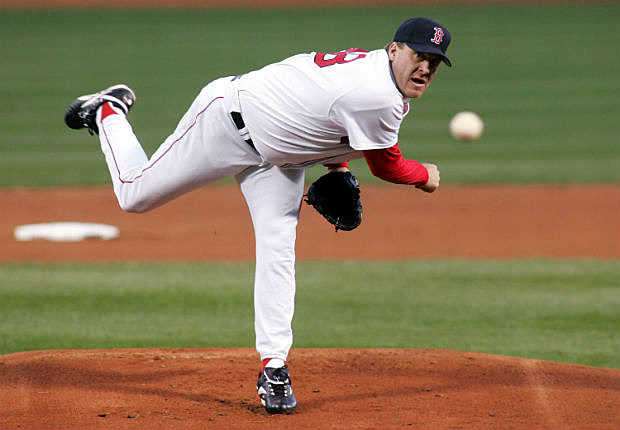
Curt Schilling belongs in the Hall of Fame. But the writers continually don’t vote for him because they don’t like his politics. As a blogger, I’m a fanatic about the concept of free speech…and that applies especially to the stuff with which I may not agree. Since it’s the Baseball Hall of Fame, I’ll stick to the numbers which should pave the way for Schilling’s induction in Cooperstown.
- 216-146 record
- 3.46 Earned Run Average
- 3,116 strikeouts against 711 walks
- 1.137 Walks/Hits per 9 Innings Pitched
- 6-time All-Star
- 3-time World Series champion
- 2001 World Series MVP
That’s a clear resumé for a Hall of Famer; Schilling’s numbers compare very favorably to New York Yankee legend Whitey Ford…who was inducted into the Hall of Fame in his second year on the ballot. Schilling should have seen a similar result, but some writers didn’t like his opinions, which again…is total bullshit.
This will be addressed in depth in a future installment of Cooperstown Complaints.
9) 1976: Rocky Winning Best Picture Over Network and/or Taxi Driver
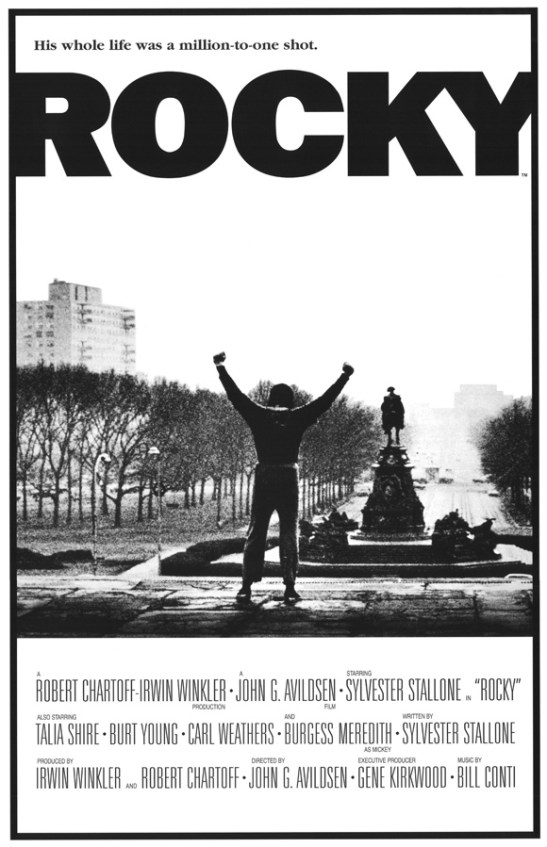
Despite the fact the 1976 marked the celebration of this country’s Bi-Centennial, this was not a particularly great time in America. The economy was in the crapper, and we were in the immediate aftermath of both the Watergate scandal and the Vietnam War. That’s why I think Rocky triumphed over Network and Taxi Driver. Don’t get we wrong, Rocky is a great film in it’s own right, but Network and Taxi Driver are on a whole other level. But those two films definitely walk the dark side of the fence, whereas even though Rocky loses at the end, it’s still a story of a likeable underdog who gets his shot at success.
The Baseball Equivalent: 1984: Rick Sutcliffe Winning The National League Cy Young Over Dwight Gooden
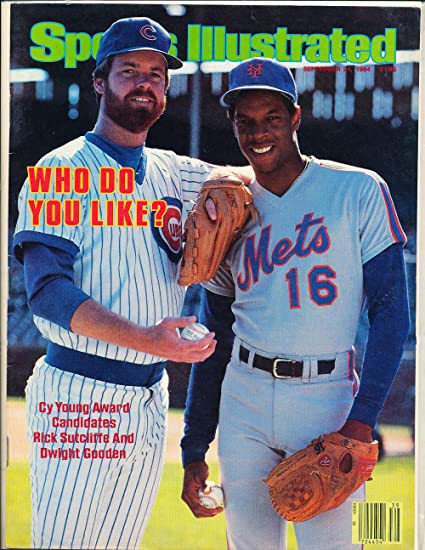
Let’s face it. In 1984, there wasn’t a better pitcher in baseball than the young phenom Dwight Gooden. “Dr. K” took home the Rookie of the Year Award because he dominated the National League with 17 wins in 31 starts, posted a 2.60 Earned Run Average in 218 innings pitched with a major-league leading 276 strike-outs.
But Rick Sutcliffe and the Chicago Cubs were the “feel-good” story of that year. Don’t forget, at this time the Cubs were in living rooms across America thanks to their presence on cable “super-station” WGN…and they were still in the midst of their championship drought…which they didn’t break until 2016. In 1984, the last time the Cubs won a World Series, the Ottoman Empire still existed (1908), and the most recent Cubs appearance in post-season play happened in the shadow of the Second World War (1945).
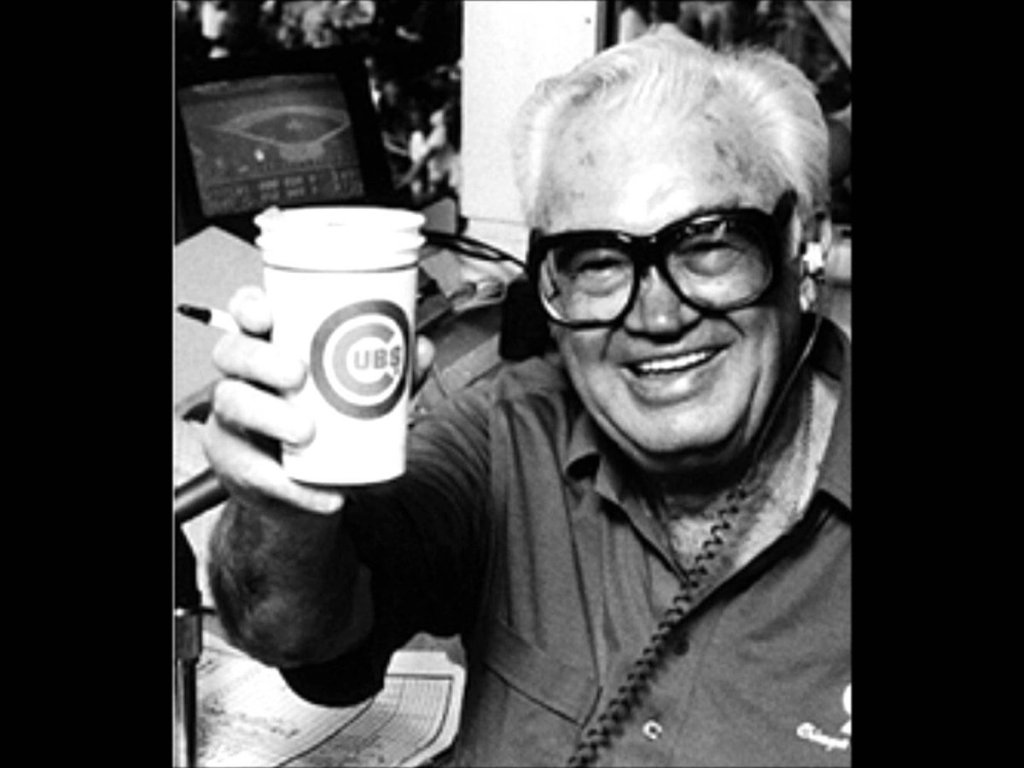
That meant when the Cubs were making a march toward October in 1984, America swooned over the story of the Cubs headed for play-off baseball, especially as it was narrated by our national favorite “drunken uncle,” Harry Caray. That’s the only explanation I can think of which covers how the Cubs’ Rick Sutcliffe won all 24 first-place votes for the NL Cy Young Award after finishing behind Gooden in every appreciable category.
Sutcliffe had 16 wins, notched a 2.69 Earned Run Average in 150 innings pitched, and 213 strike-outs. as opposed to Gooden’s 17 wins, 2.60 ERA, amd 276 strike-outs…which led all of baseball.
Just like Rocky, never under-estimate the power of a “feel-good” story.
8 ) 1954: Grace Kelly Winning Best Actress (The Country Girl) Over Judy Garland (A Star Is Born)
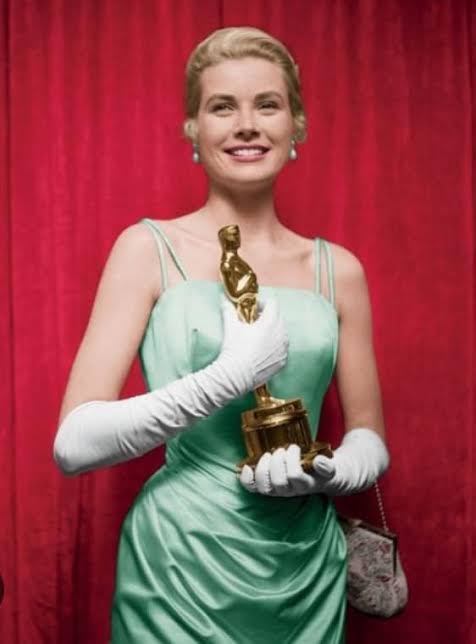
At the 27th Academy Awards in 1955, the race for Best Actress came down to Grace Kelly for her role as Georgie Elgin in The Country Girl and the heavily-favored Judy Garland for her “comeback” potrayal of Esther Blodgett/Vicki Lester in A Star Is Born.
I’ve got at least two film bloggers who a) follow this blog, b) are dedicated Grace-o-philes, and c) are likely to come after me with their long knives for this, but the fact is Kelly had no business winning.
Even if the Grace-o-philes think her performance as the worn-out and glamour-stripped wife of a singer losing his battle with alcoholism was the best of her career (which it really isn’t), it still putts short of the cup compared to Garland’s tour de force showing as the up-and-coming star being shepherded to fame by an actor losing his own battle with the bottle.
The reality at the time was before she ran off and married some pseudo-Frog, Grace Kelly had taken up residence as America’s Sweetheart. Meanwhile, Judy Garland was a messed-up pill-head whose recent divorce from MGM created issues in the popularity contest that is any award vote. Groucho Marx famously called Garland’s loss “the biggest robbery since Brink’s.”
The Baseball Equivalent: 1995: Mo Vaughn Winning American League MVP Over Albert Belle
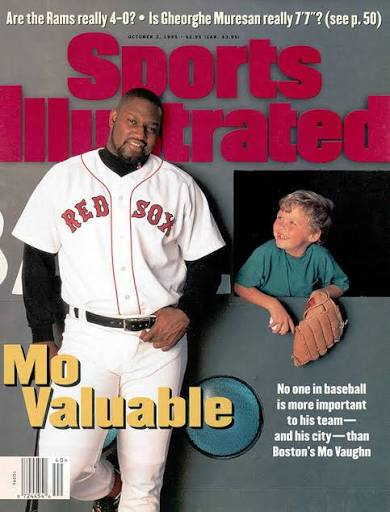
Like most other years, the 1995 race for the American League MVP was a popularity contest. On the one hand, you had big slugger Mo Vaughn, the sweetheart for most of the writers because he was a very likeable chap who played for the “underdog” Boston Red Sox, who as of 1995 had not yet broken the legendary championship drought known as the “Curse of the Bambino.” On the other, you had the unpopular Albert Belle who faced wide-ranging scorn and derision for antics like drilling a fan in the chest with a baseball in 1991 and getting caught using a corked bat in 1994.
Vaughn took the trophy home despite the fact Belle put up superior numbers. The Boston first baseman notched a .300 Batting Average, 39 Home Runs, and 126 Runs Batted In, and 98 Runs Scored. However, Vaughn also led the American League with 150 Strikeouts. Meanwhile, Belle led the upstart Cleveland Indians to their first World Series in over 40 years (and 6 years since Major League) with a .317 Batting Average, an American League leading 50 home runs, tied Vaughn’s league-leading 126 RBIs, and scored 121 runs.
The bottom line is Belle lost because the baseball writers who voted on this award simply didn’t like him and weren’t going to vote for him despite the fact he turned in the clearly superior performance.
7) 1998: Shakespeare In Love Winning Best Picture Over Saving Private Ryan
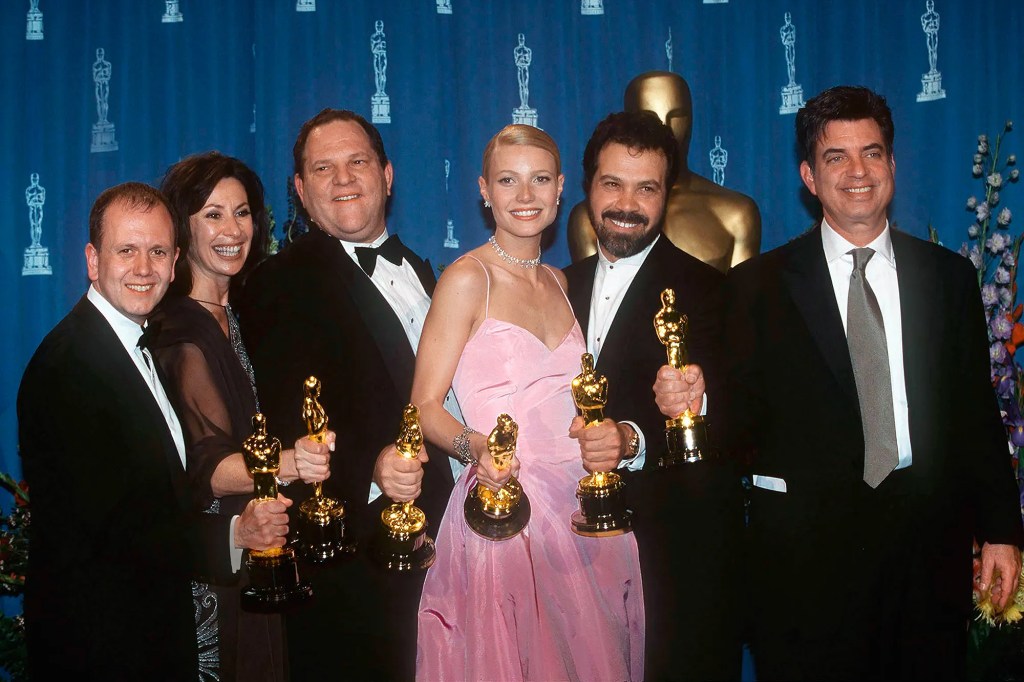
This one takes on even more stink given what happened to Harvey Weinstein. But the reality for both movie lovers and sports fans means dealing with reprobates and/or reprehensible behavior. For that reason, I’m going to ignore Weinstein’s downfall because it overshadows the real injustice here.
The only category of film the Academy favors less than comedies are war flicks. There’s a lot of flowery, yet largely bullshit reasons why at the 71st Academy Awards Shakespeare in Love pulled off one of the biggest upsets in Oscar history by taking the Best Picture award over Steven Spielberg’s heavily-favored World War II epic Saving Private Ryan.
Among the aforementioned flowery bullshit, you’ll hear about how Shakespeare in Love led all films with 13 nominations as compared to 11 for Saving Private Ryan. You’ll hear about how Shakespeare in Love won 7 Oscars, including Best Actress for Gwyneth Paltrow and Best Supporting Actress for Academy-darling Judi Dench. But Saving Private Ryan won 5 Oscars, the most notable here being Best Director for Steven Spielberg
There’s a long-standing thing with the Academy Awards; more often than not the film that wins for Best Director also takes the trophy for Best Picture. The problem here is that making a good war movie usually requires some technical proficiency, a skill which isn’t terribly valued by the actor-heavy voting branch of the Academy. But Saving Private Ryan is a technical masterpiece, which it needed to be in order to pull off it’s brutally realistic portrayal of war. All that laid the foundation upon which Tom Hanks built the performance which should have netted him his 3rd Best Actor Oscar.
But with rare exception (the four in my lifetime being The Hurt Locker, Platoon, The Deer Hunter, and Patton), war movies don’t win Best Picture. Also, the Academy seems to not like certain people…be they directors or actors. More on that in a bit…
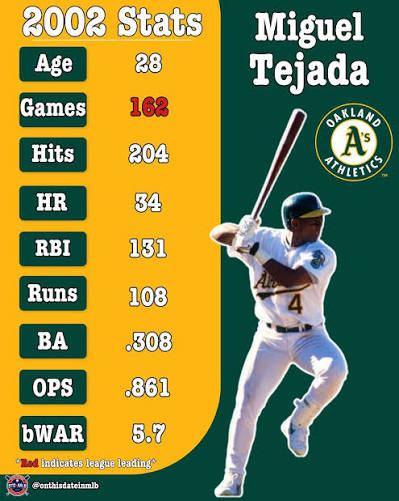
The Baseball Equivalent: 2002: Miguel Tejada Winning American League MVP Over Alex Rodriguez
Baseball writers have their own “unwritten” rules. A perfect example…their version of “war movies don’t win Best Picture”…is “MVPs don’t come from losing teams.”
Take the case of Alex Rodriguez in 2002. He lost the MVP Award to Miguel Tejada that year strictly because of this. While Tejada did have a great season….308 Batting Average, 34 Home Runs and 131 Runs Batted In…it wasn’t even close to the campaign Rodriguez had. The Texas Rangers’ shortstop went .300, and belted 57 Home Runs with142 RBIs. The problem is the Rangers were not very good; they went 72-90 and finished in last place. But the Oakland A’s won 103 games and had a date in play-offs.
6) 1987: Cher Winning Best Actress (Moonstruck) Over Holly Hunter (Broadcast News)
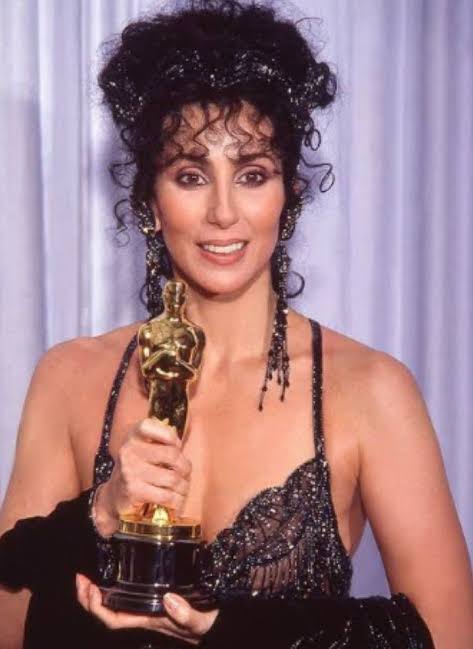
Sports fans around the world know what a “make up call” is. That’s when the officials blow a call so badly, they get together and make a similarly bad call in favor of the other team to even things out. Cher’s winning the Best Actress Oscar was the Academy’s version of a “make up call.” Cher was far closer to a winning performance for Best Supporting Actress for 1983’s Silkwood, and it certainly wasn’t a bad call to give the Award to Linda Hunt for The Year of Living Dangerously.
But the Academy felt Cher deserved a “make up call,” and so in 1987 when she was in a relatively weak class of nominees, Cher got her “make up call” by getting the Oscar for Moonstruck. Now the problem the Academy had as they owed Holly Hunter a “make up call” of her own…and the opportunity for that came a few years later for The Piano.
The Baseball Equivalent: 1925: Roger Peckinpaugh Winning American League MVP Over Al Simmons
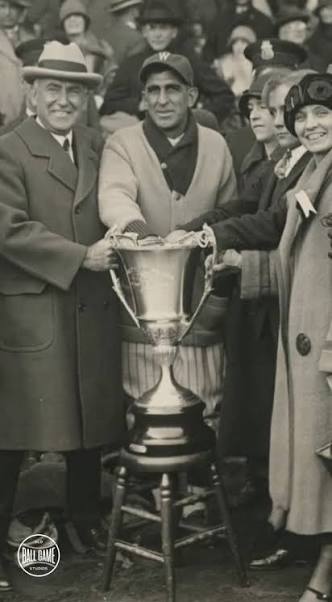
Al Simmons could be the poster child for the career “make up call.” Baseball clearly owed him one after this award fiasco; Simmons hit .387 with 24 Home Runs, 129 RBIs, and led the bigs with 252 hits. In contrast, Peckinpaugh won largely for his defensive skills; he only managed .294 with 4 Home Runs and 64 RBI. But because Peckinpaugh’s Washington Senators made it to the World Series over Simmons’ Philadelphia Athletics, the award went to Peckinpaugh.
Five years later, Simmons had a perfect chance for the “make up call,” but again the writers again chose a Washington Senator…even if Lou Gehrig should have been the “Linda Hunt/deserving winner.”

5) 1991: Dances With Wolves Winning Best Picture Over GoodFellas
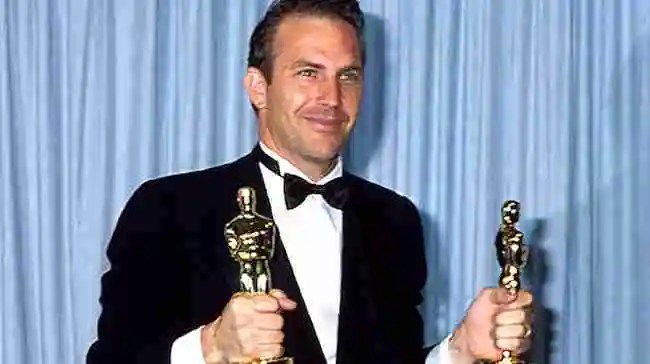
Here’s where we get back to the “the Academy simply doesn’t like certain people” dictate. Martin Scorsese must be on that list considering how they’ve jobbed him out of three Best Picture Oscars. Granted, I’ve already addressed Taxi Driver, and it was much easier to understand Ordinary People winning over Raging Bull, but Dances With Wolves being chosen over GoodFellas was completely egregious.
The Baseball Equivalent: 1990: Mark McGwire Winning Gold Glove Over Fred McGriff
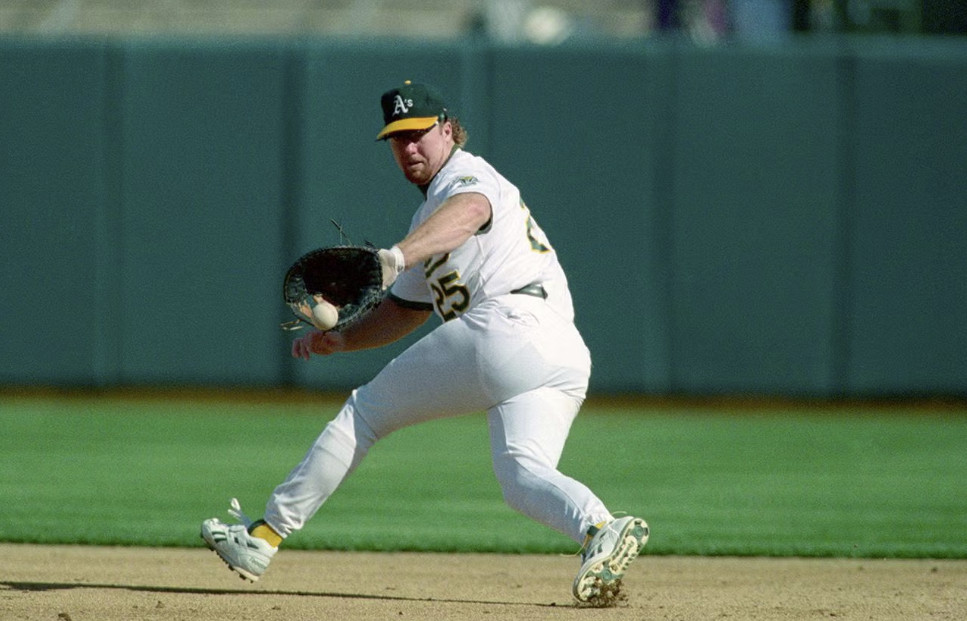
It only takes being a baseball fan for about 45 seconds to understand first base is a great place to hide a defensively-challenged player. It doesn’t take much longer to discover the opposite; a great first baseman can be the anchor of the infield. But statistics are not necessarily the best measure for what makes a great first baseman they don’t get as many fielding chances as other infielders. But like the subtle differences in a movie, anybody who was watching baseball in 1990 knew Fred McGriff was a far superior fielder than was McGwire. But if you really want to look at numbers, the only appreciable difference was McGwire had 95 assists in 1,425 total chances compared to McGriff’s 126 assists in 1,348 total chances.
4) 1979: Kramer vs Kramer Winning Best Picture Over Apocalypse Now
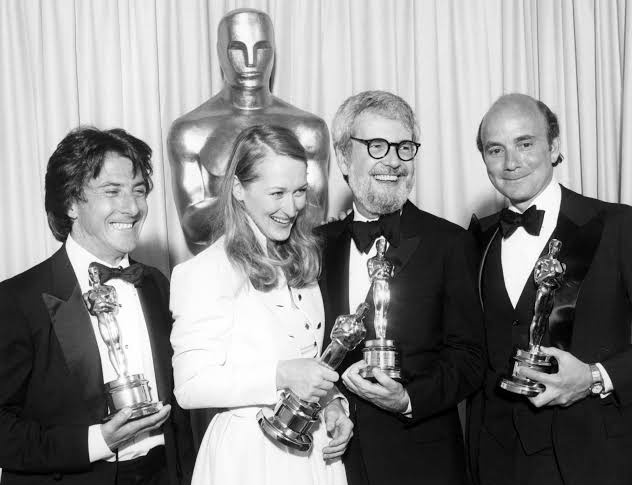
This happened for two reasons. First, there was the Academy’s usual disdain of war movies. Despite its enduring status today as a masterpiece, Apocalypse Now had a complex critical and public response upon its release. How many times has a film that eventually becomes seen as a bold, ambitious director’s masterpiece started out as “weird” and “disturbing?” Apocalypse Now certainly wasn’t the first, but it also had a distinct case of voter fatigue as the Academy had just given the Best Picture Oscar to The Deer Hunter the year before; another heavy-duty film centered in the Vietnam War.
Secondly, the Academy voters have a long tradition of preferring character-driven dramas featuring acting strong performances. Not to mention, Kramer vs. Kramer hit a nerve in terms of societal shifts taking place at the time.
The Baseball Equivalent: 1960: Bobby Richardson Winning World Series MVP
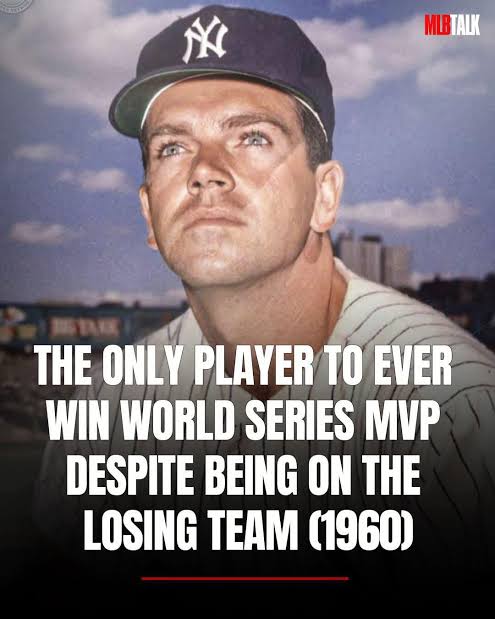
The 1960 World Series featured a surprise ending with the underdog Pittsburgh Pirates defeating the mighty New York Yankees. It was the only World Series in which the losing team outscored the winners.
- Game 1: Pirates 6, Yankees 4
- Game 2: Yankees 16, Pirates 3
- Game 3: Yankees 10, Pirates 0
- Game 4: Pirates 3, Yankees 2
- Game 5: Pirates 5, Yankees 2
- Game 6: Yankees 12, Pirates 0
- Game 7: Pirates 10, Yankees 9
Likewise, Bobby Richardson in this series became the only player in Major League Baseball history to be named World Series Most Valuable Player despite playing for the losing team. This was a result of the voters needing to turn in their ballots before the end of Game 7…before Bill Mazeroski’s historic series-winning home run. Before that, Richardson and his then-series record 12 Runs Batted In made him the popular choice.
3) 1968: 2001 – A Space Odyssey Wasn’t Even Nominated For Best Picture

This might be a case of my own personal bias, because not only do I love Stanley Kubrick, but this is my all-time favorite movie. One reason it took at least five viewings before I understood 2001: A Space Odyssey. Or it could be the entire film only has 2,500 words of dialogue; it’s cinematography at it’s finest. Or it could be the film is almost 60 years old, and it’s special effects – which was done mostly with models and lighting – still hold up to this day. In fact, the legacy this film left in terms of it’s technical achievements paved the way for every goddamn thing guys like George Lucas and Steven Spielberg would do later.
Given that, you would expect 2001: A Space Odyssey would have had a slew of nominations. That was not the case; it only received two, Best Director and won for Special Visual Effects. But not being nominated for Best Cinematography wasn’t nearly as egregious as being completely overlooked for Best Picture. To understand what a “rob job” this was, just look at the list of nominees:
- Oliver!
- Funny Girl
- The Lion in Winter
- Rachel, Rachel
- Romeo and Juliet
There’s simply no freakin’ way any of those movies had more of a lasting impact than did 2001: A Space Odyssey. The only explanation is like me, the Academy didn’t get it at first either.
The Baseball Equivalent: Bert Blyleven Having To Wait For The Veteran’s Committee To Be Inducted Into The Hall Of Fame
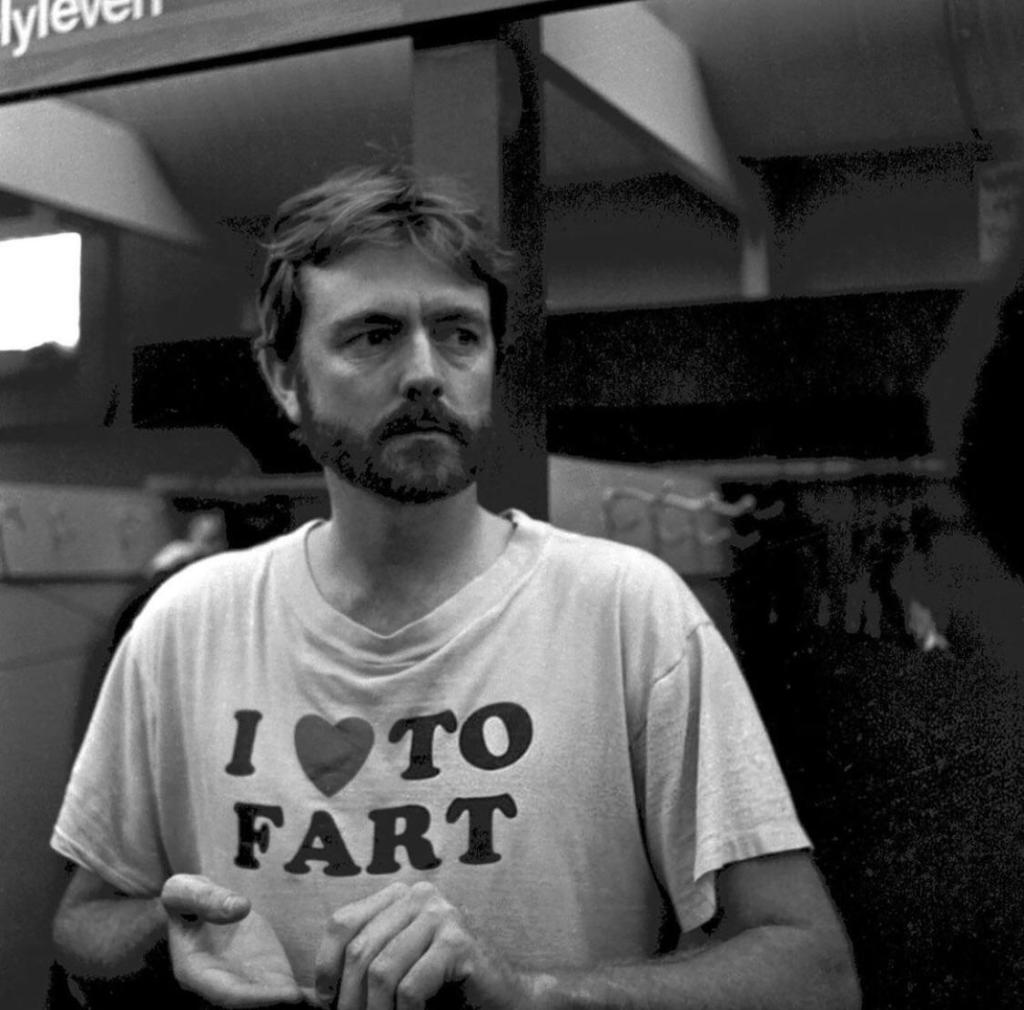
For years, I had an annual rant about Bert Blyleven’s exclusion from the Hall of Fame. Having to wait for the Veteran’s Committee is like the Lifetime Achievement Award; a tacit apology for not giving somebody their proper due back in the day.
In Blyleven’s case, the ultimate example came in the voting for the 1984 American League Cy Young Award. Given annually to the best pitcher in each league, Blyleven clearly had a larger impact as a starter on the mound than did the two relievers who finished ahead of him
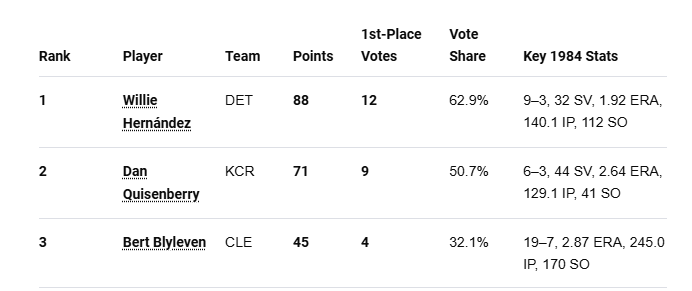
Blyleven went 19-7, 12 complete games including 4 shut-outs, 170 strikeouts, a 2.87 earned run average, in 245 innings pitched. Combined, Willie Hernandez, and Dan Quisenberry only pitched 24 more innings and had less strikeouts. But they pitched for play-off teams while Blyleven toed the slab for the 6th-place Cleveland Indians. On top of that, the Baseball Writer’s Association of America (BBWAA) never had any love for Bert Blyleven because they never understood his odd sense of humor.
2) 1964: Rex Harrison Winning Best Actor (My Fair Lady) Over Peter Sellers (Dr. Strangelove)
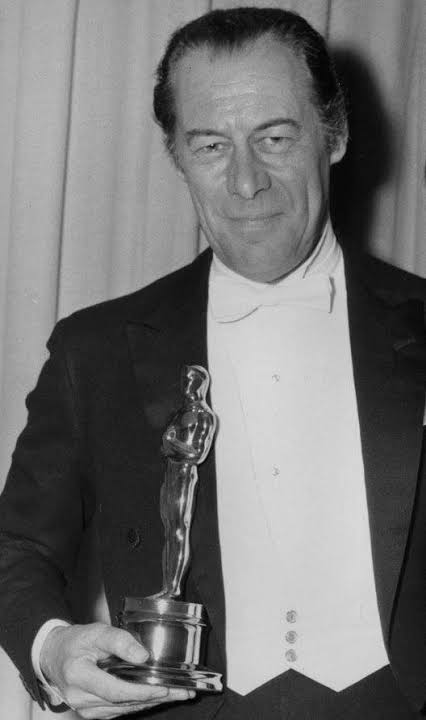
My love of Stanley Kubrick, Part II. Let’s be honest…My Fair Lady is nowhere near Dr. Strangelove, but we’ve already discussed the Academy’s dislike of war movies and comedies. Given that, what chance did a dark comedy about nuclear war have? Likewise, Rex Harrison won the Best Actor Oscar for his performance in My Fair Lady, despite the fact Peter Sellers turned in three better ones in Dr. Strangelove.
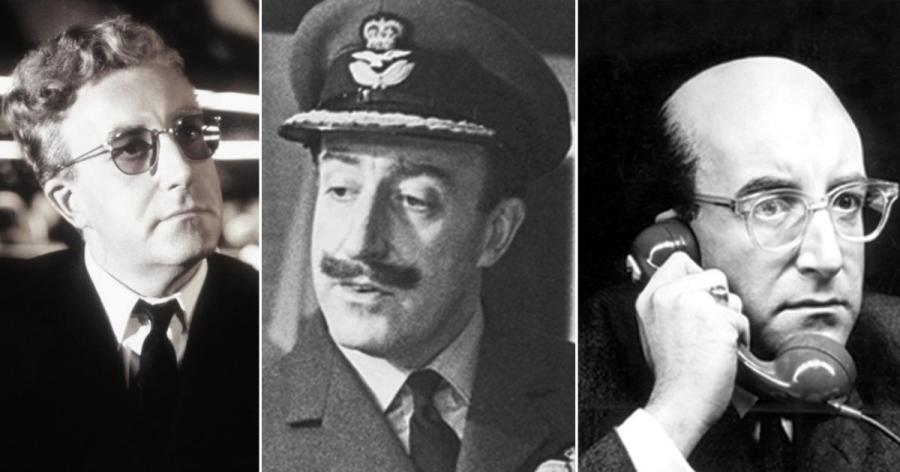
Sellers was nominated for his portrayals of the title character Dr. Strangelove, Group Captain Lionel Mandrake, and President Merkin Muffley, but lost to Harrison who ostensibly rode the wave of wins generated by My Fair Lady.
Harrison was rewarded for originating the role of Henry Higgins on Broadway, but then and now, Sellers’ tour de force performance is routinely discussed among film critics and historians alike as one being the most-deserving of a Best Actor win.
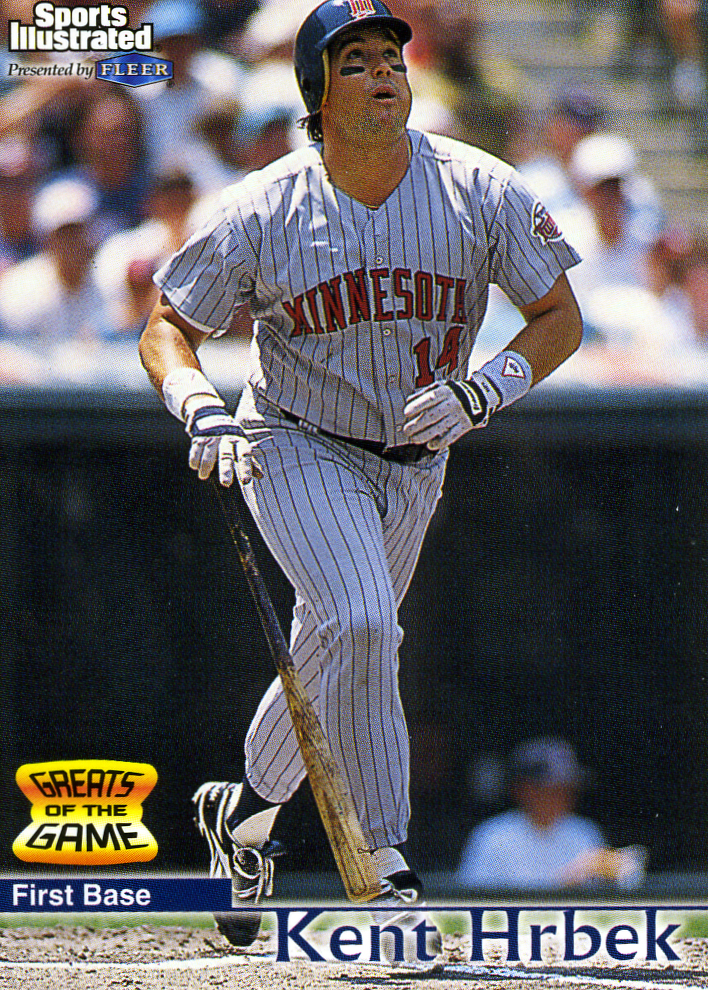
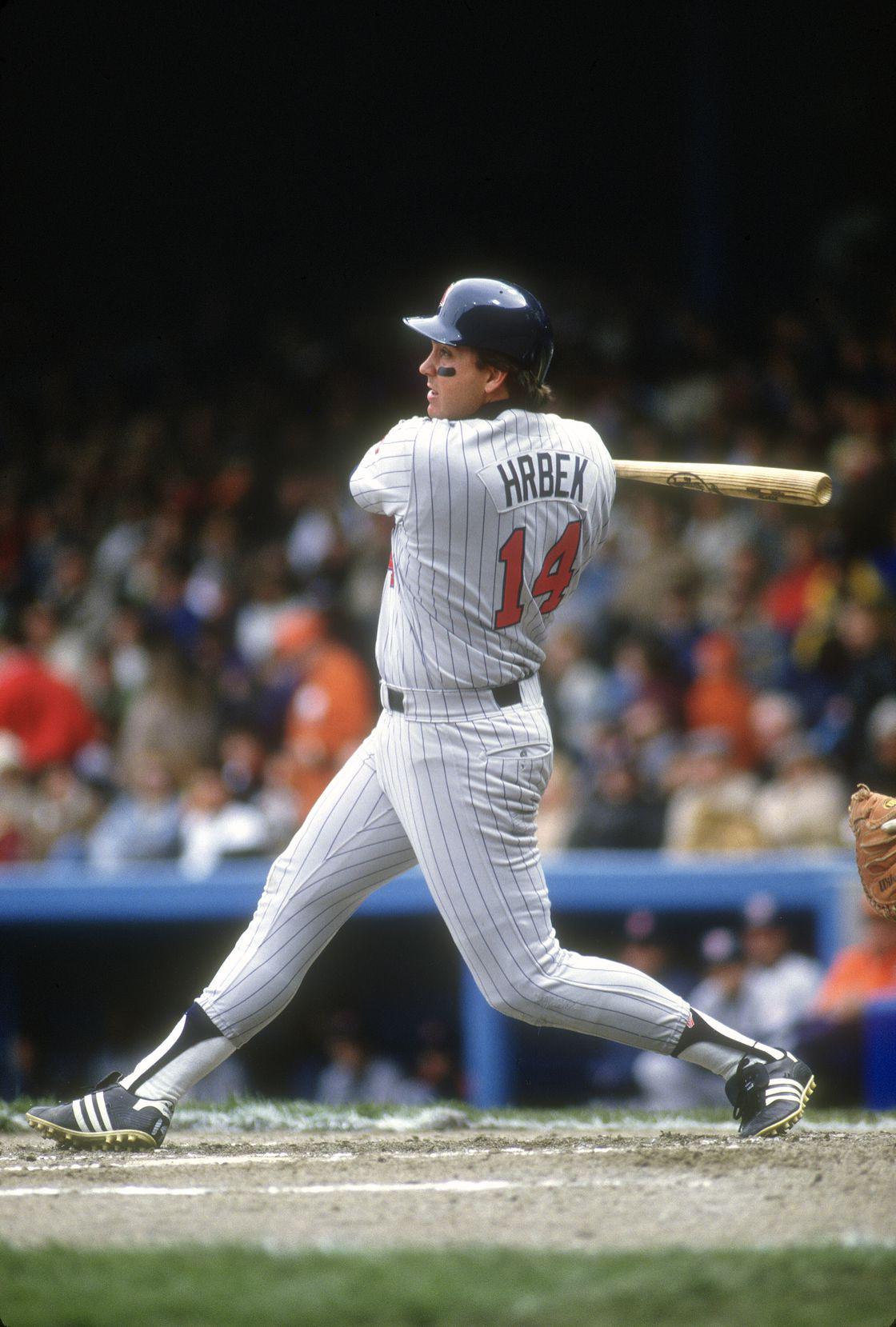
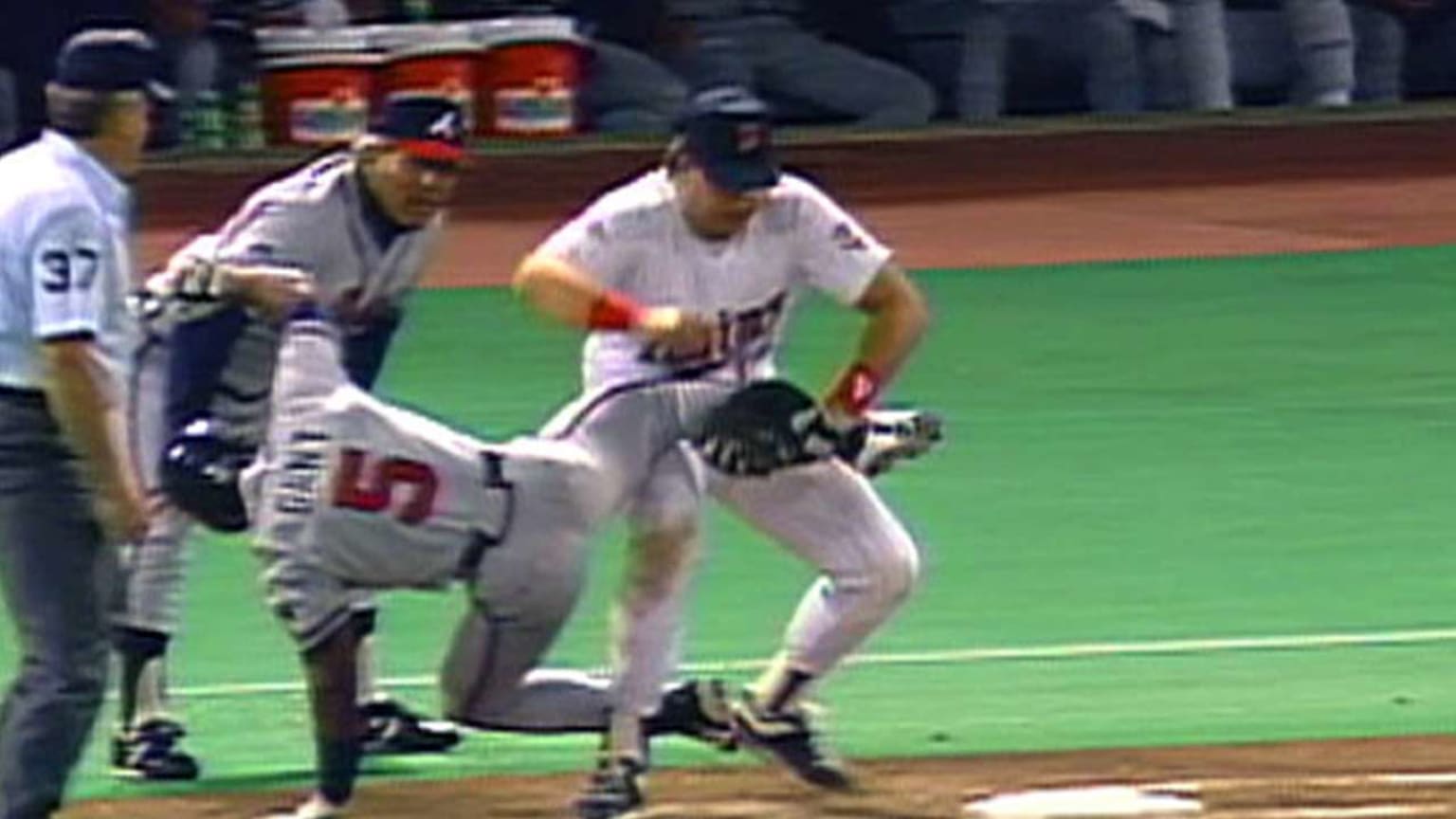
The Baseball Equivalent: 1984: Willie Hernandez Winning American League MVP Award Over Kent Hrbek
Here’s another Part II. Not only shouldn’t relief pitchers ever win the Cy Young…there’s certainly no freakin’ way they should ever win the MVP award.
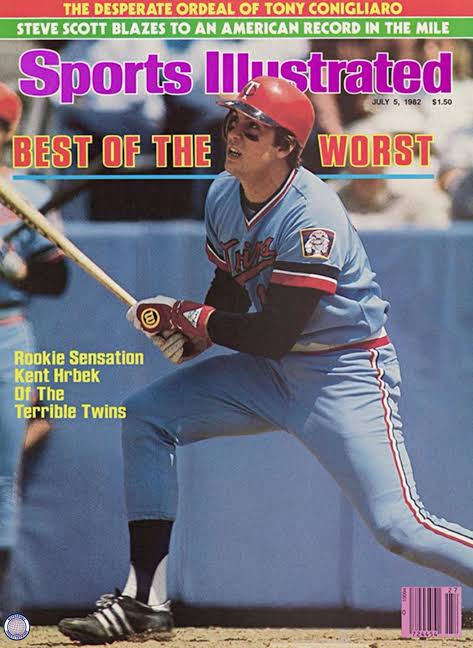
First of all, Hrbek should have been the American League Rookie of the Year in 1982, but that didn’t happen because he played for the worst team in baseball at the time.
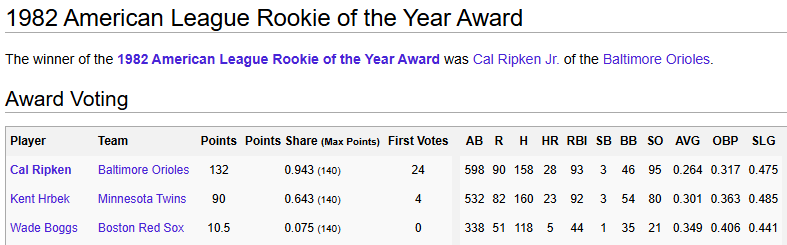
But by 1984, Hrbek was the driving force behind the lowly, upstart Minnesota Twins’ playoff run. Hrbek hit .311 with 27 homers which pushed the Twins to within a single game of first place with a week left in the season.

Despite that, Hrbek would finish 2nd in the MVP voting that year to a relief pitcher who pitched less innings (140.1) than the total number of games Hrbek played (149).
1) 1941: How Green Was My Valley Winning Best Picture over Citizen Kane
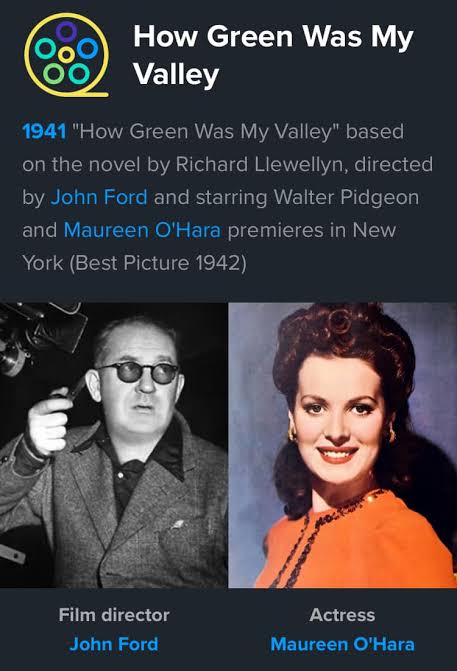
You can look at any listing of greatest films ever made, and you’re always going to see Citizen Kane. And even for the lists which include How Green Was My Valley, you’ll never see it ranked higher than Orson Welles’ meisterwerk. So…how the hell could it ever beat it for Best Picture?
The reason is the title character of Charles Foster Kane was almost completely based on newspaper and radio tycoon William Randolph Hearst. He despised the film so much that advertising, reviews, or any mention of it whatsoever in any media he owned was explicitly banned. Hearst went so far as trying to buy the rights to the film from the studio; the intention being to destroy all prints and negatives of the film. Failing that, Hearst wielded his power to convince many movie theatre owners not to show the film. This was a major factor in Citizen Kane‘s failing at the box-office. Hearst then campaigned with Academy voters, trashing the film at every possible opportunity.
The Baseball Equivalent: 1947: Joe DiMaggio Winning American League MVP Over Ted Williams
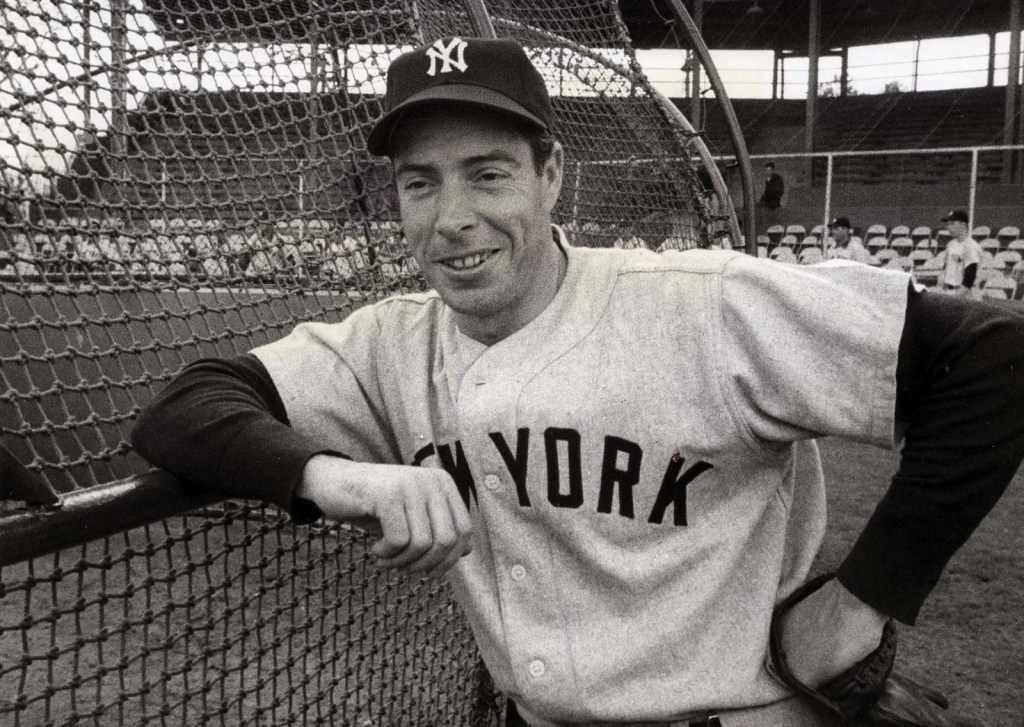
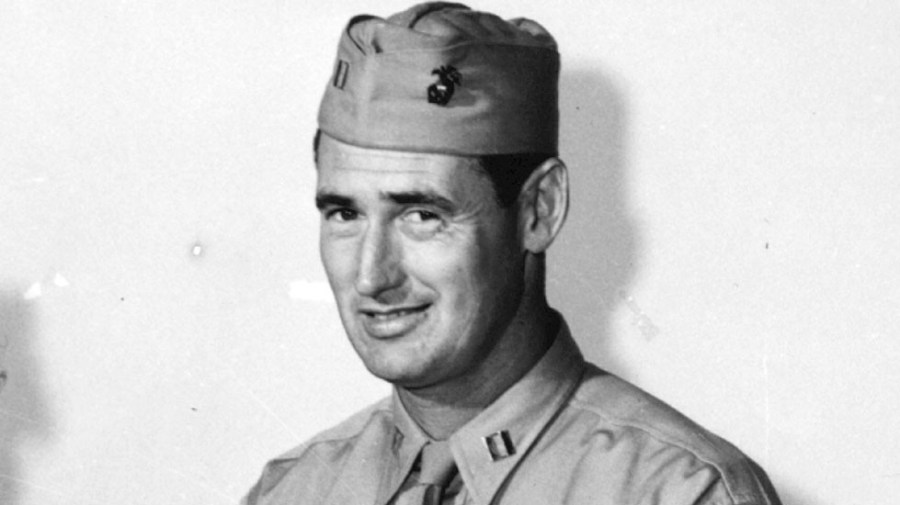
Here’s where this list comes full here as Ted Williams is the sporting comparison for the aforementioned John Wayne on my list of favorite actors. Continue to read keeping the following in mind; “Teddy Ballgame” is universally regarded as the greatest hitter in the entire freakin’ history of the game.
In 1947, Williams hit .343 with 32 home runs and 114 runs batted in. In comparison, Joe DiMaggio notched a .315 batting average with 20 home runs and 97 runs batted in. But going back the to the “popularity contest” dictum, when Williams wasn’t being the greatest hitter baseball had ever seen, he served in the Marine Corps as a fighter pilot. He also had the prickly personality to match. This was a primary cause of his tense relationship with the baseball writers; he did not suffer fools or their foolish questions gladly. As a result, certain writers had a not-so-surprising level of animosity for the “Splendid Splinter.”
Meanwhile, Joe DiMaggio was the star player for the New York Yankees. This status meant songs were written about him, and it paved the way a few years later for his marriage to Hollywood icon Marilyn Monroe. All tolled, this is why one writer completely omitted Williams from his 10-man 1947 MVP ballot, which allowed Joe DiMaggio to win the award.
Got a question, comment, or just want to yell at us? Hit us up at dubsism@yahoo.com, @Dubsism on Twitter, or on our Pinterest, Tumblr, BlueSky, Truth Social, Instagram, or Facebook pages, and be sure to bookmark Dubsism.com so you don’t miss anything from the most interesting independent sports blog on the web.


