


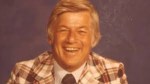
EDITOR’S NOTE: Boyd Bergquist was the sports director at KETS-TV in East Tree Stump, Nebraska for almost 40 years. Known across the Husker state as the voice of the Boy’s High School Basketball Tournament, Bergquist was a four-time winner of the Marv J. Butz “Golden Cob” Award For Excellence In Nebraska Broadcast Journalism. That background, along with his quick if not cliché-riddled wit and love of single-malt scotch makes Bergquist a perfect fit to be our “sports” guy.
Now that we find ourselves at the beginning of another NBA campaign, this is the time when talk turns to which teams helped themselves in the off-season. Not long from now, the fans of those teams who came up short will be grousing about the off-season moves their teams did or didn’t make. What those doing the complaining need to remember is that unless you are a fan of one of the teams who appear too often on this list, somebody usually has done a worse job.
As you scroll these awful deals, keep in mind the National Basketball Association (NBA) is a league whose recent financial history is all about television money, the birth of the salary cap era, and the concomitant rise in power for the player’s union. That’s why you will see many of these deals clumping up in certain years. In other words, through any combination of those three factors, there are years (like 2005 and 2016) which you definitely see an uptick in teams going full “guy who won the lottery”-style burning through their cash.
Keep that in mind as you scroll this list.
Honorable Mention #2) Mitch Richmond, Washington Wizards, 1999
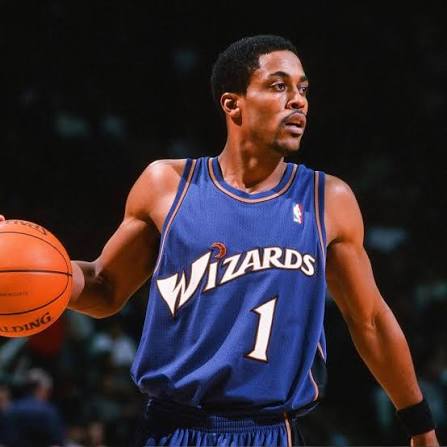
Contract: $40 million/4 years
By the time Washington signed Richmond to this deal, he was clearly running headlong towards his NBA AARP card. The best years of his career were in the rearview mirror, but Wizards were desperate for “star power” and 1999 was one of those years for a post-labor stoppage spending frenzy. That’s why they gave the 34-year-old guard a huge deal, which they quickly regretted. It only took 161 games over three seasons for the Wizards to realize their mistake; after which they gave him another $10 million to buy out this contract.
Honorable Mention #1) Austin Croshere, Indiana Pacers, 2000
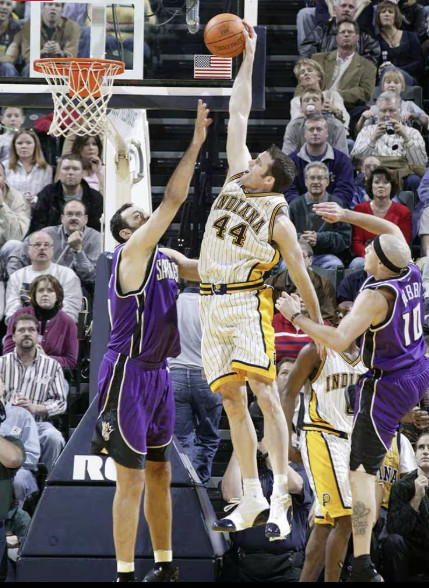
Contract: $51 million/7 years
Croshere is the perfect example of “recency bias.” The Pacers drafted him out of Providence with the 12th overall pick in 1997, after which he spent two seasons as a largely non-noteworthy body off the bench. But in 2000, he ate Popeye’s can of spinach and became a force during Indiana’s run to the NBA Finals. That post-season performance drove the Pacers to sign Croshere to a huge payday. Unfortunately, the following season the spinach wore off and Croshere returned to his unremarkable ways.
30) Ben Wallace, Chicago Bulls, 2006
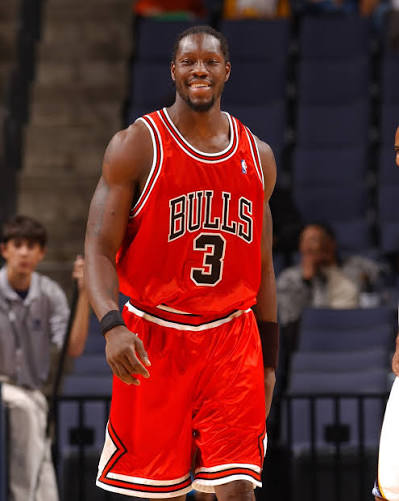
Contract: $60 million/4 years
Not all bad deals are a result of flawed decision making. Sometimes, shit happens and things just don’t work. When the Bulls signed Ben Wallace, he had already established himself as an elite defensive player. He was the first undrafted player ever named to an All-Star game, he was a four-time Defensive Player of the Year, five-time All-NBA selection, and was inducted into the Hall of Fame in 2021.
But by the time the Bulls signed him, he was 32 years old and his physical style of play had begun taking it’s toll. As a result, Wallace barely managed a full season in Chicago before his dwindling performance led to a trade to the Cleveland Cavaliers.
29) Jermaine O’Neal, Indiana Pacers, 2003
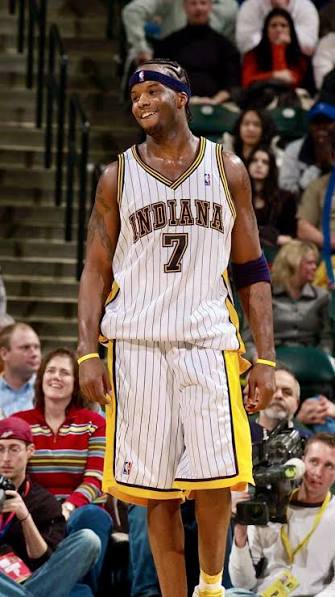
Contract: $126 million/7 years
O’Neal represents another confluence of signing a solid player, then the “bad luck bug” bites. Jermaine O’Neal was a top-flight NBA player when the Pacers signed him. But when it comes to that “bad luck” thing, any gambler will tell you there is such a thing as “making your own luck.” If you ask an engineer, they’ll call it “risk management.” What it boils down to is when you put $126 million worth of chips on the table on a “big” with an established injury history because his upside was worth a roll of the dice, you have to take your lumps when you come up “snake eyes.”
28) Joakim Noah, New York Knicks, 2016
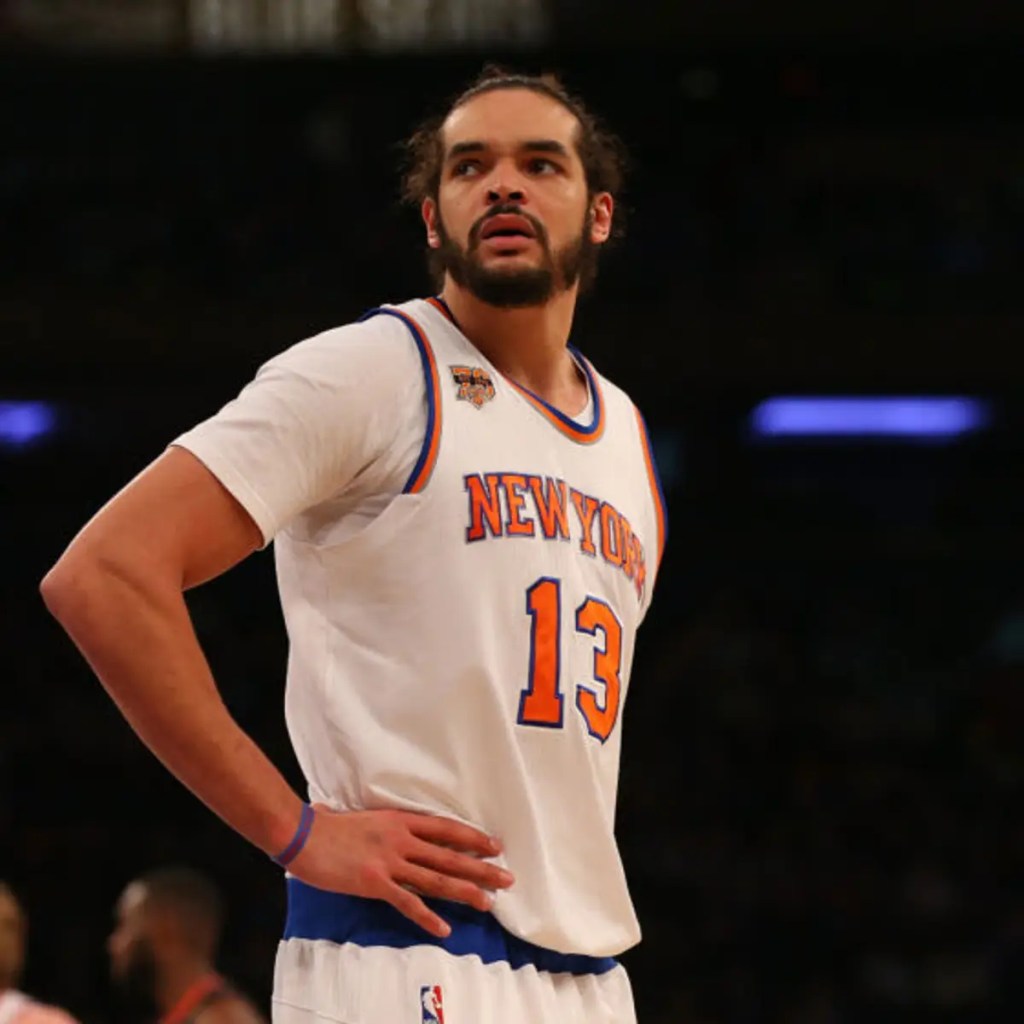
Contract: $72 million/4 years
This is yet another instance of J-Dub the engineer (and gambler) believing something I agree with: betting on “bigs” with a history of injuries ups the odds of bad things happening. That’s exactly what happened in the case of Joakim Noah. Not only did Noah prove to be fragile, he represents several firsts for this list. He is the vanguard for one of those bloated spending years like 2016, and it sure as hell won’t be that last time you see mention of the New York Knicks.
By the time the Knicks signed him, Noah was on the downside of his career; his days as a franchise-changer were past. But even an aging former MVP-caliber center is worth a bet, just maybe not one for a salary-cap-killing $18 million a year.
27) Peja Stojakovic, New Orleans Hornets, 2006
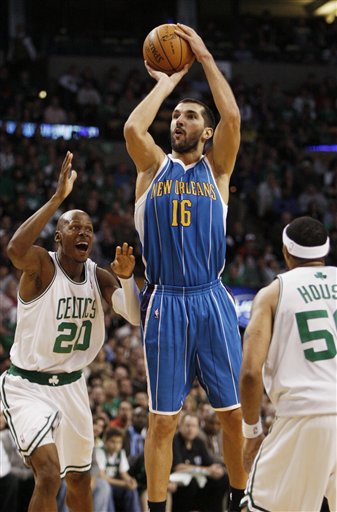
Contract: $64 million/5 years
It pains me to put this guy on this list; there was a time when Stojakovic was an elite-level shooter. But after he inked this deal, the man simply couldn’t stay healthy. A series of injuries turned his career into a painful exercise in the law of diminishing returns. When broken down, this contract amounted to $104,000 for every three-point shot Stojakovic made as a Hornet.
26) Bismack Biyombo, Orlando Magic, 2016
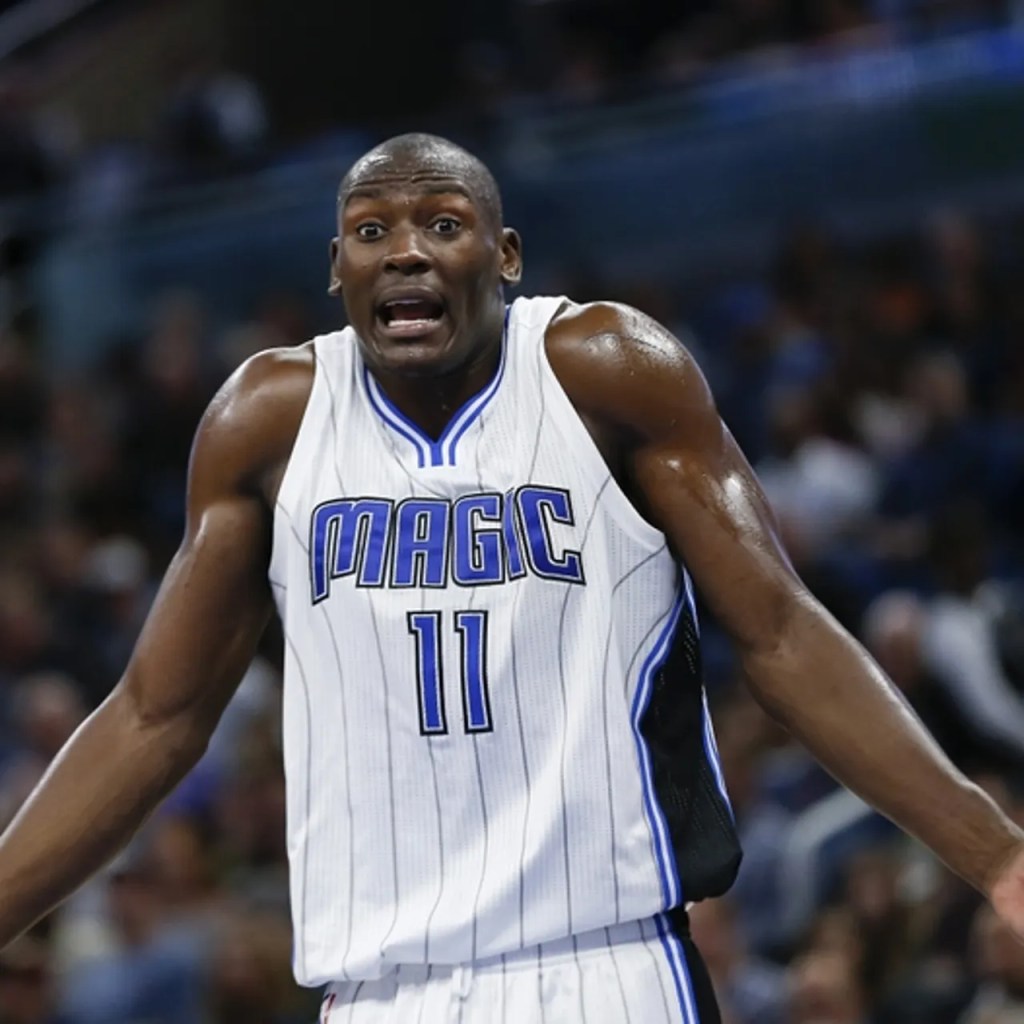
Contract: $72 million/4 years
Apparently, 2016 was the year to bet on a “promising” big man, especially if you were playing with house money. However, Biyombo already was exhibiting the warning signs that he might be a bad “big money” bet. Biyombo was another example of a guy posting decent numbers; he was coming off a season in Toronto averaging 5.5 points, 8.0 rebounds, and 1.6 blocks per game and he shot 54.2% percent from the field. Given what he did after signing this deal, the Magic bought a used Ford Taurus at new Cadillac prices.
25) Juwan Howard, Washington Wizards, 1996
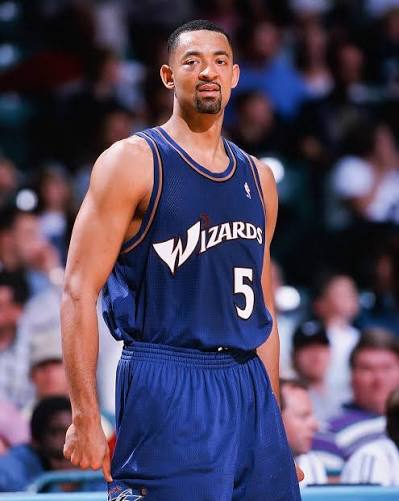
Contract: $105 million/7 years
If you haven’t figured it out by now, NBA general managers love betting on a “big” more than cheap gamblers love an eight-leg parlay. The problem is they have the same longer-than-long odds. That’s how Howard became the NBA’s first $100 million player after an All-Rookie 1994-95 season and being selected All-NBA in 1995-96. But like Biyombo, the Wizards massively overpaid for a guy who over time proved to be a second-tier player.
24) Travis Knight, Boston Celtics, 1997
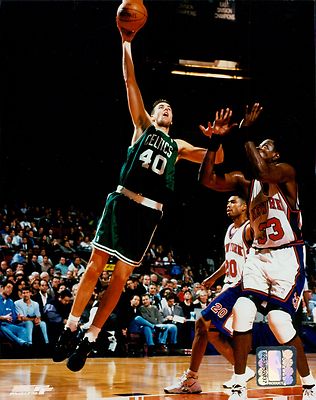
Contract: $22 million/7 years
While the dollars pale in comparison to some other deals on this list, it still may be the worst bad “big man” bet because it really had no chance to pay off. It could be the free-agency equivalent of drafting Sam Bowie ahead of Michael Jordan just because Bowie was a “big.”
Knight only played one season in the NBA in which he only averaged 4.8 points and 4.5 rebounds in 16 minutes per game. That was enough to convince the Boston Celtics Knight was the “big” they needed. After a single season in Boston which saw Knight post only 6.5 points and 5 rebounds per game, the Celtics had seen enough.
23) Elton Brand, Philadelphia 76ers, 2008
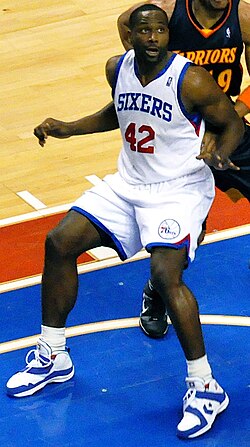
Contract: $82 million/5 years
Elton Brand created quite a stir when he became the first player to leave the sacred halls of Duke to enter the NBA early; he was the first overall pick by the Bulls in 1999. Brand was a 20-point-per game guy for the first eight years of his career, despite struggling in his first two season in Chicago. After he was traded to the Los Angeles Clippers in 2001, Brand’s career took off.
In his first season with Los Angeles, Brand became an All-Star for the first time. He made another All-Star appearance in 2005-06. In his seven seasons with the Clippers, Brand averaged 20.3 points, 10.3 boards, and 2.3 blocks per game. Those are the numbers that prompted the Sixers to sign him to a big-money deal.
In four seasons in Philadelphia, those numbers dropped to 12.7 points, 7.2 rebounds and 1.3 blocks per game. I’ll admit, those aren’t horrible numbers for an NBA center, but during those four years Brand missed nearly a full season due to injuries. That meant he gave nowhere near the expected return on a $16.5 million per year investment, leading the Sixers to release him in 2012.
22) Evan Turner, Portland Trailblazers, 2016
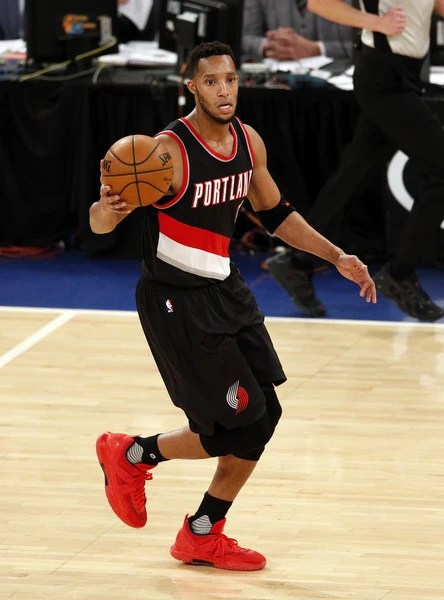
Contract: $70 million/4 years
Turner is another 2016 bad signing because he’s another example of a team with extra money burning a hole in their pocket. That’s the only explanation I can think of as to why Portland blew $70 million on somebody who was little more than a backup shooting guard.
Like Elton Brand, Turner was a high draft pick who underperformed and got traded. Unlike Brand, Turner never blossomed. After a 2015-16 campaign with the Boston Celtics where he averaged an exceptionally mediocre 10.5 points, 4.9 rebounds, and 4.4 assists while shooting 45.6 percent from the field, Portland thought that was enough to sign him to a massive contract.
Needless to say, he never lived up to the Trailblazers’ expectations. In three seasons in Portland, Turner only managed 8.0 points, 3.8 rebounds, and 3.0 assists per game. He never started more than 12 games in a season before they dealt him.
21) Emeka Okafor, Charlotte Bobcats, 2008
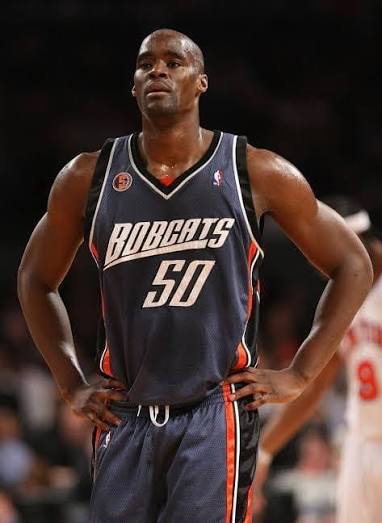
Contract: $72 million/6 years
Allow me to switch sports for a moment. Earlier this year, when baseball’s Vladimir Guerrero, Jr. was criticized for his lack of production after signing a huge deal, he said something along the lines of “they paid me for what I’ve done, not what I’m going to do.” That’s essentially what the Bobcats ended up doing with Okafor. After drafting him with the 2nd overall pick in 2024, Okafor won the Rookie of the Year award. After that, Okafor continued to be a solid performer, but after inking this deal in 2008, the Bobcats seemed to know they had seriously overpaid for 14 points and 10 boards per game. The ‘Cats then spent every waking moment trying to deal him, which they finally did only a year later.
20A and B) Antonio Davis, Toronto Raptors, 2001 and Tim Thomas, Milwaukee Bucks, 2000
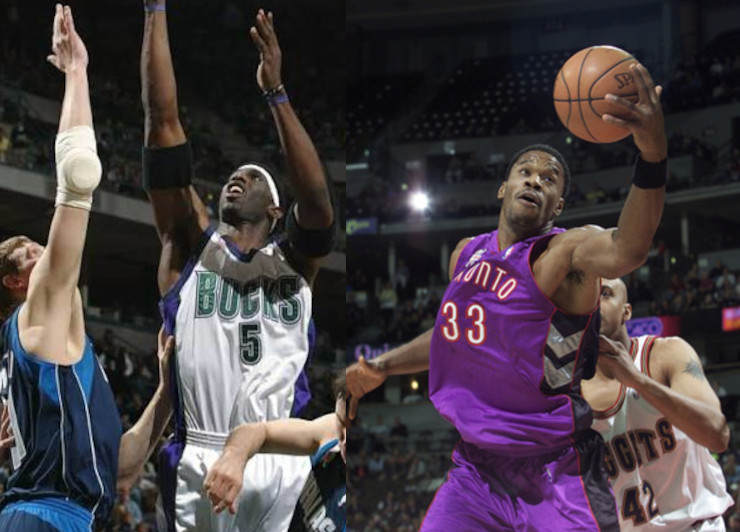
Contracts: Davis $60 million/5 years, Thomas $67 million/6 years
A post about basketball just wouldn’t be complete without a “double-double.” For these two, the tie that binds is both players here were never elite players, yet they got elite money. Davis was a 33-year-old rebounding “specialist” whose lone All-Star appearance made the Raptors think he was worth $12 million per year. He never hauled in more than 10 boards per game after signing this deal.
Thomas’ payday is even more explicable. He did finish second in the Sixth Man of the Year voting in 2001; his high-water mark in the NBA. Nobody else thought 11 points and 4 rebounds a game was worth $11.6 million per year, but the Bucks did. They got rid of him two years later.
19) Erick Dampier, Dallas Mavericks, 2004
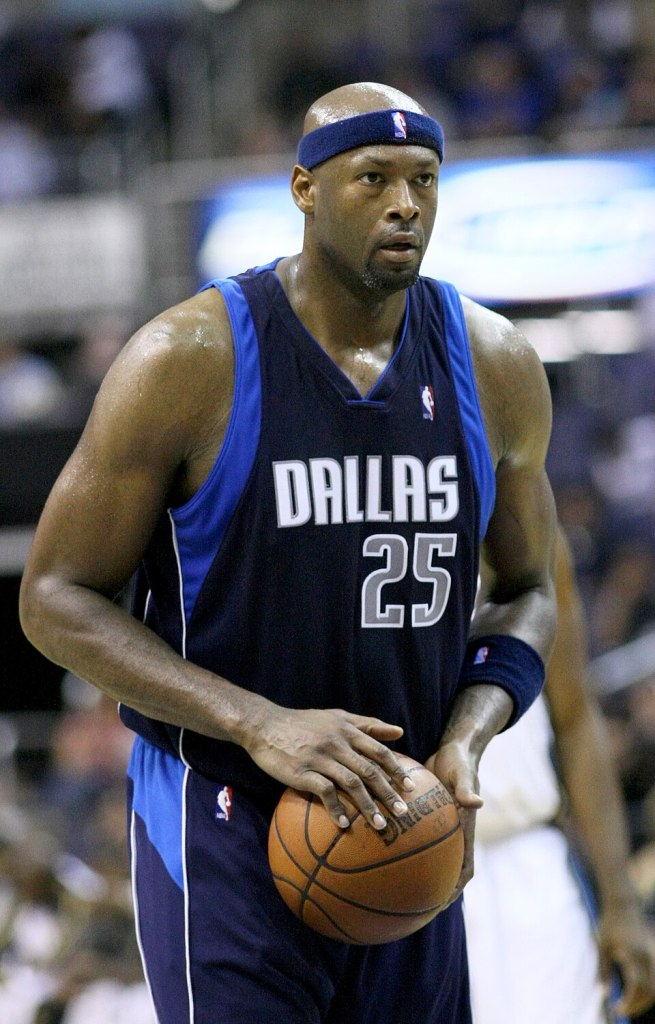
Contract: $70 million/7 years
The era of Mark Cuban owning the Dallas Mavericks featured a time when he was desperately trying to build a contending team, but was throwing big money at the wrong people. That’s the recipe for pumping $70 million into a guy who averaged 7 points and 7 rebounds per game.
18) Bobby Simmons, Milwaukee Bucks, 2005
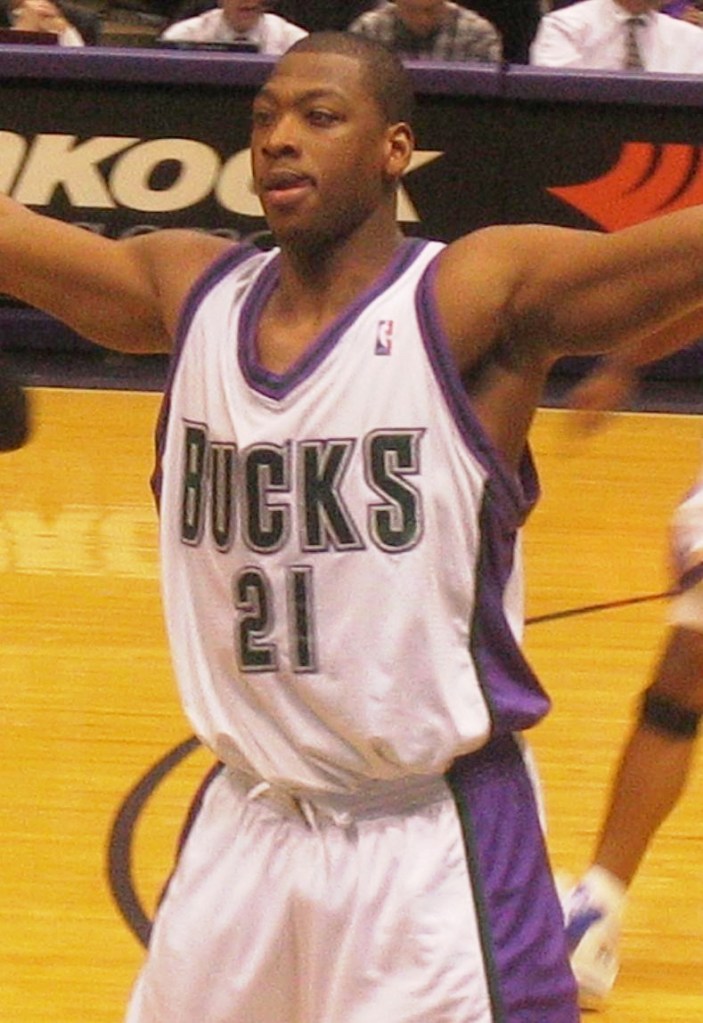
Contract: $47 million/5 years
Here’s the poster child for “perfect timing.” 2003-2004 was Simmons’ career year; he notched 16.4 points per game and he was NBA’s Most Improved Player for that season. Conveniently enough, it was also his contract year. The Milwaukee Bucks broke the bank when they offered him this deal; one the Clippers were never going to match. After moving to Milwaukee, Simmons reverted to his mean, scoring a mediocre 10.6 points per game.
17) Larry Hughes, Cleveland Cavaliers, 2005
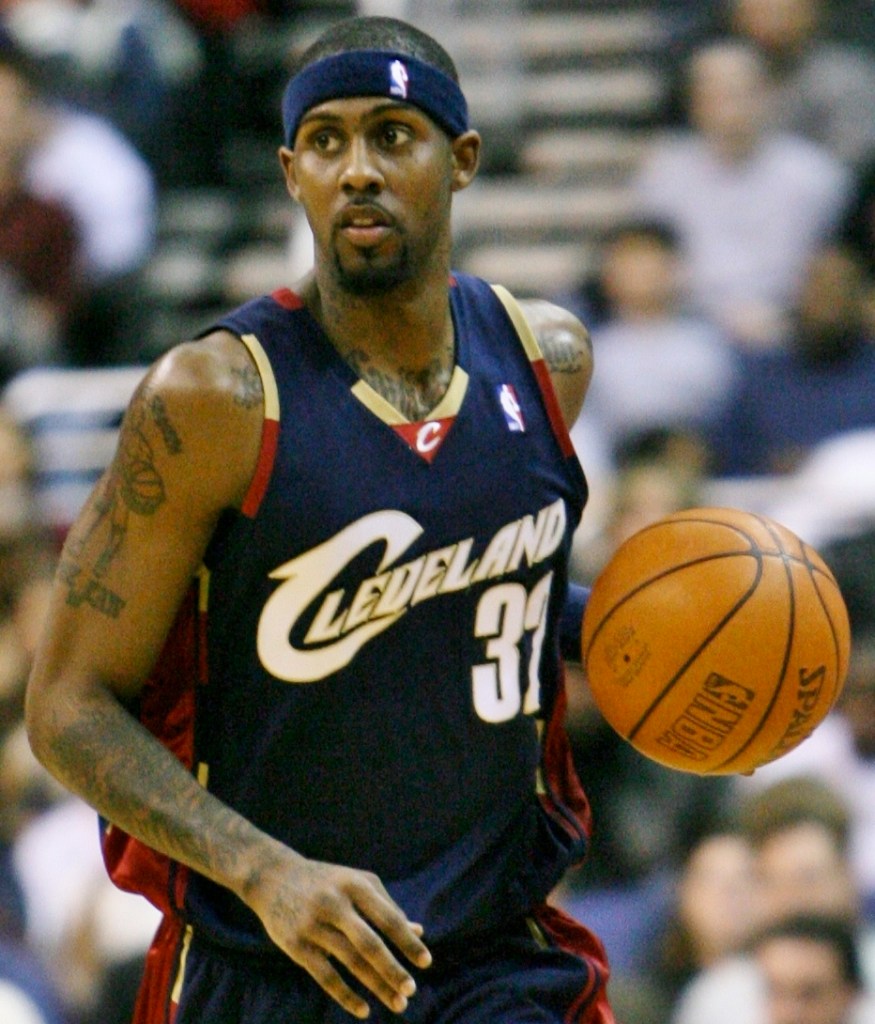
Contract: $70 million/5 years
2005 in Cleveland was the era of rising tides. The first Lebron era was on it’s ascent, and Larry Hughes was supposed to be the 6’5″ swingman to be a scoring threat opposite “King” James. After all, he was coming off a campaign in Washington where he averaged 22 points, 6.3 rebounds, 4.7 assists, and led the league with 2.9 steals per game.
It should have worked, but it didn’t. The Cavaliers traded him to the Chicago Bulls in February 2008.
16) Raef LaFrentz, Dallas Mavericks, 2002
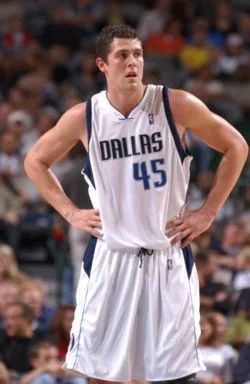
Contract: $70 million/7 years
This guy is the poster child for the “Mark Cuban desperation spending” era in Dallas. For some reason, $70 million seemed to be the magic number; that what he gave this stiff as well as the previously mentioned Erick Dampier. To be fair, Cuban wasn’t the only one who got suckered by LaFrentz. The Portland Trailblazers (another team with multiple appearance on this list) later gave this guy $12.7 million for no real reason other than the love of betting on “bigs” NBA general managers have.
15) Brian Grant, Miami Heat, 2000
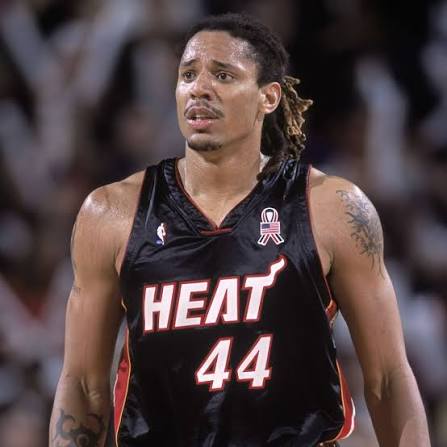
Contract: $86 million/7 years
Here’s another example of the “law of diminishing returns.” Putting $12.2 million into a guy whose top side was 10 points and 10 rebounds per game is a bad bet to start with. Then when that guy posts career numbers after getting paid, everybody thinks they’re cashing a winner. But Grant’s numbers cratered after that; halfway through the deal Miami traded him to the Lakers.
14) Anfernee Hardaway, Phoenix Suns, 1999
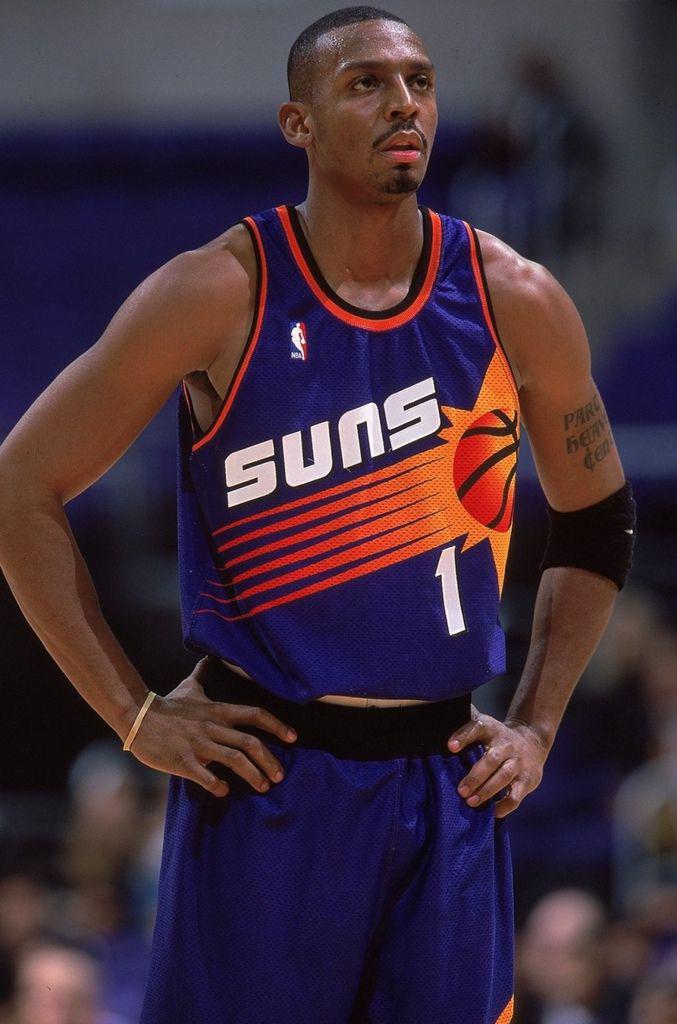
Contract: $87.7 million/7 years
Remember “Lil Penny?” There was a time when Anfernee “Penny” Hardaway was the biggest star in the NBA not named Michael Jordan. There was a time when this guy poured in 20 points, 7 assists and a couple of blocks per night. Those nights were long gone when the Suns paid him hoping he could be a basketball phoenix. He did the “burst into flames” part as his numbers literally dropped by half, but he never rose from his own ashes.
13) Kenyon Martin, Denver Nuggets, 2004
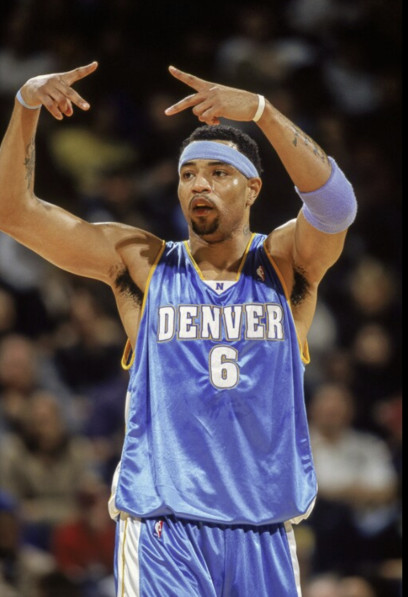
Contract: $92.5 million/7 years
Known as K-Mart throughout his career, Martin was the exact opposite of the now-defunct store of the same name. The store was all about consumer-friendly prices, but K-Mart the player was the epitome of a guy who people placed more value on than he was actually worth. After four years as a New Jersey Net where he posted 16 points and 8 per game, Denver dropped big dollars on him only to watch his production drop to 12.1 points and 7.1 rebounds per game. That’s hardly a “Blue-Light Special.”
12) Chandler Parsons, Memphis Grizzlies, 2016
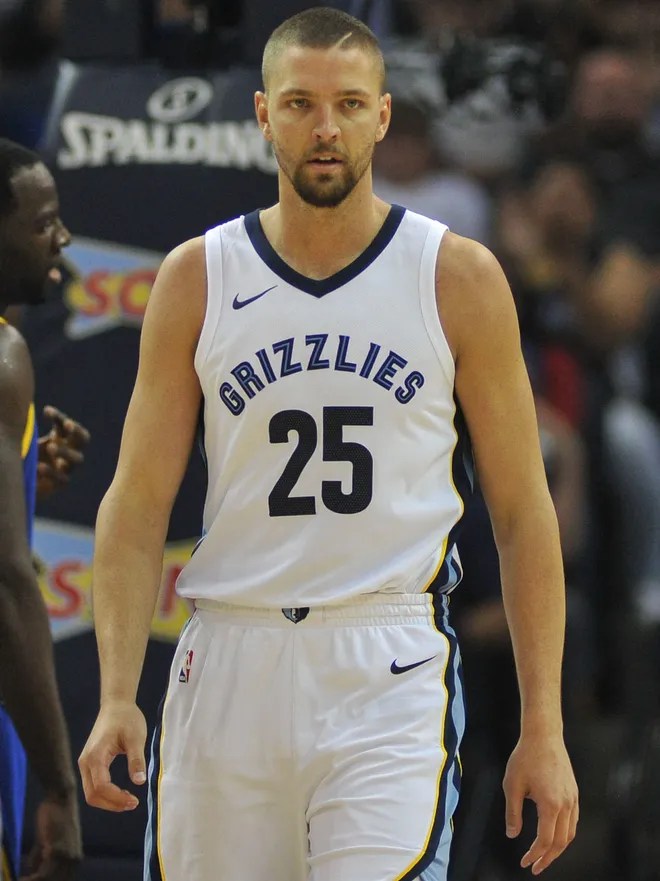
Contract: $94 million/4 years
Chandler Parsons was a fair-to-middlin’ player after the Dallas Mavericks drafted him in 2011, but he missed time in both the 2014-15 and 2015–16 seasons due to multiple knee surgeries. After the Grizzlies gave him this deal, the knee issues only worsened. Ultimately, Memphis paid $94 million for 95 games over three seasons during which time he averaged 7.2 points, 2.6 rebounds and shot 39.3% from the field.
11) Joe Johnson, Atlanta Hawks, 2010
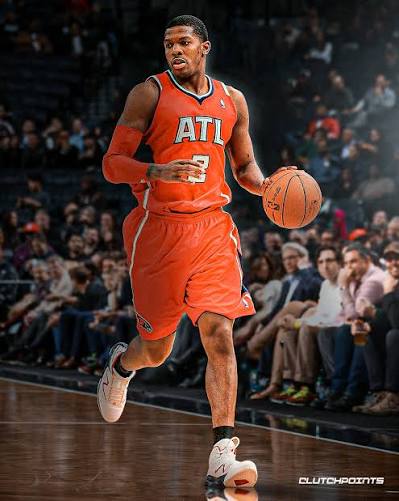
Contract: $123 million/6 years
To be fair, this was a free-agency cycle which was inflated due to the presence of big-time stars LeBron James and Amar’e Stoudemire. Keeping that in mind, don’t you think 20 points per game is a reasonable expectation for a 6’7″ swingman known as a versatile scoring threat…especially if you’re going to give him $20.6 million per year, which for a time made him the highest paid player in the league? He only hit that mark once.
10A and B) Joe Smith, Minnesota Timberwolves, 1999 and Kawhi Leonard, Los Angeles Clippers, 2024
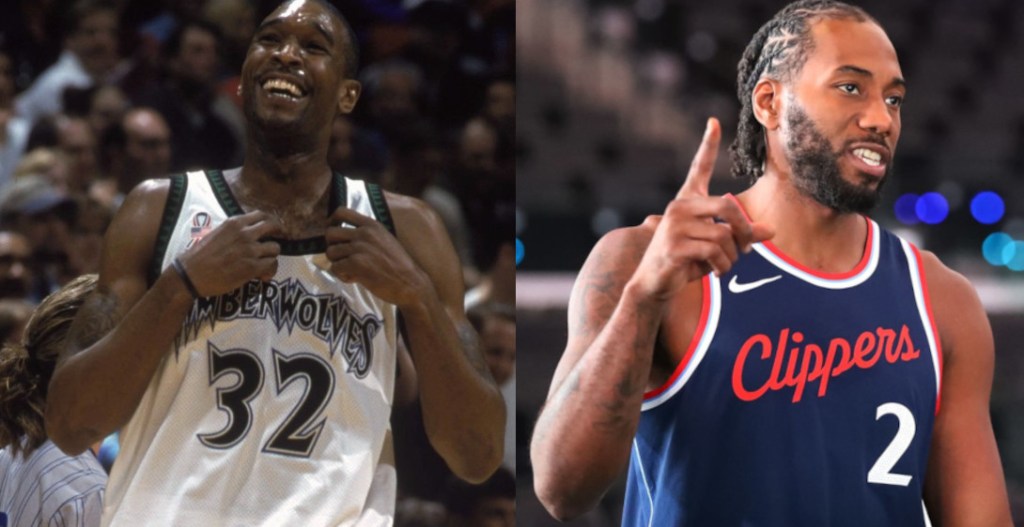
Contracts: Smith 1 year/$1.75 million, Leonard 3 years, $149.5 million
Here’s a “double double” on deals which really don’t have anything to do with the player being a crap-load. In fact it’s quite the opposite. Both Smith and Leonard were upper-level players at the time these deals were penned, but these these contracts were completely illegal as they were intended to circumvent the NBA salary cap.
In Smith’s case, eyebrows were raised when the former first-overall pick didn’t cash in on of those previously mentioned post-lockout spend-gasms. So many other top-flight players got paid big coin; naturally people wondered why Smith was settling for seriously chump change. Turns out he had an under-the-table agreement with owner Glen Taylor to sign with the team for below market value in order to retain Minnesota’s “Larry Bird rights” and to allow the team to make other roster moves while keeping payroll under the salary cap. Under this clandestine arrangement, Smith could have signed a new long-term contract that would have netted as much as $86 million.
As for Leonard, in September 2025, a sportswriter reported that in 2021 Kawhi Leonard had signed a $28 million, four-year endorsement deal with Aspiration, a now-bankrupt environmental company. Clippers’ owner Steve Ballmer had invested $50 million in Aspiration; a significant fact because this company had questionable finances. It was later discovered this previously unreported contract raised red flags because because a limited liability corporation linked to Leonard was listed as a creditor in Aspiration’s bankruptcy filings.
Upon further investigation, it was revealed a former employee of Aspiration claimed the contract was intended to violate the salary cap. Apparently, Leonard’s contract with Aspiration was a “no-show” deal which did not require him to do anything but remain a member of the Los Angeles Clippers, and Leoanard never performed endorsement/promotional duties for Aspiration. Furthermore, it was discovered Leonard had also received $20 million in Aspiration stock, bringing the total of illicit compensation to $48 million.
Ultimately, Taylor was suspended for nine months; Ballmer received a similar year-long punishment.
9) Gilbert Arenas, Washington Wizards, 2008
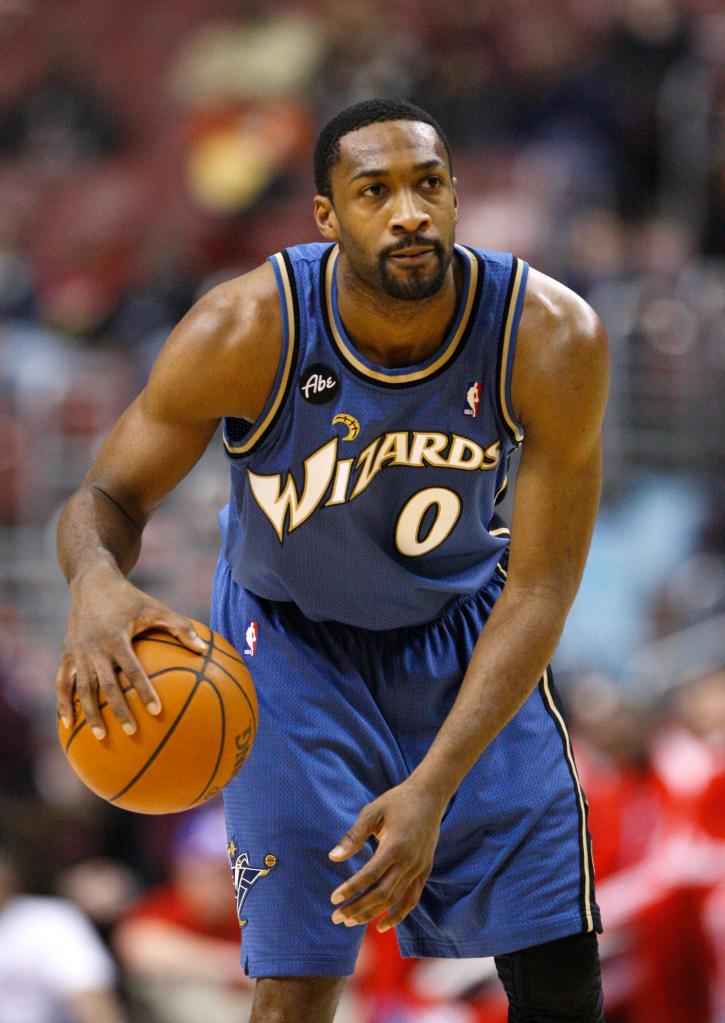
Contract: $111 million/6 years
Arenas might be the most interesting guy on this list. I don’t mean he might drink Dos Equis; rather he’s another guy who was legitimately a great player before he signed this contract. Not only did he secure a major payday for himself, but he had the stroke with management to get a 4 year, $50 million deal for his buddy Antawn Jamison. But then came the 2009 incident in which a high-stakes card game turned into gunplay in the team clubhouse; an episode in which Arenas played a central figure. As a result, Arenas pled guilty to a felony gun charge and was sentenced to 30 days in a halfway house, 400 hours of community service, and a $5,000 fine. This also completely derailed derailed the Wizards’ season and led to a complete dismantling of the team.
8 ) Stephon Marbury, New York Knicks, 2004
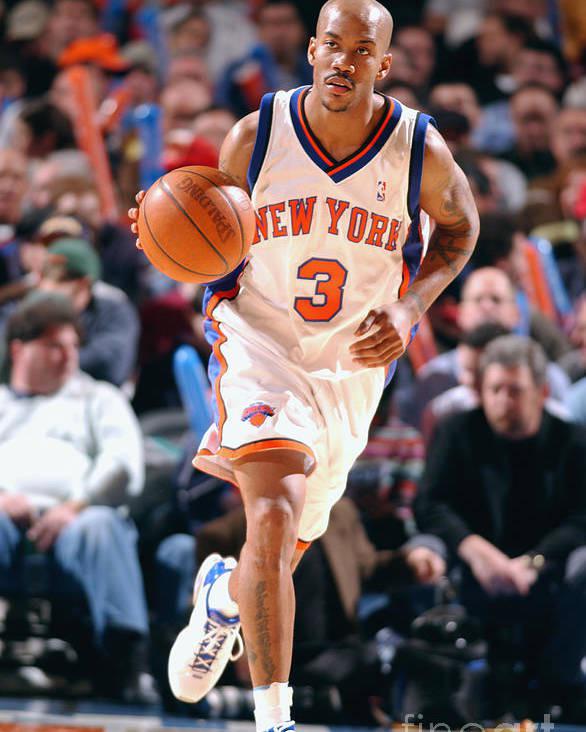
Contract: $76 million/4 years
This was Isiah Thomas first disastrous deal as general manager of the Knicks…and as you’ll see, it wasn’t the last. To be fair, “Starbury” wasn’t horrible as a Knick, but Thomas clearly bought a hot dog at filet mignon prices. However, either would have been a better choice than Marbury’s nutty propensity for eating Vaseline.
7) Darius Miles, Portland Trailblazers, 2004
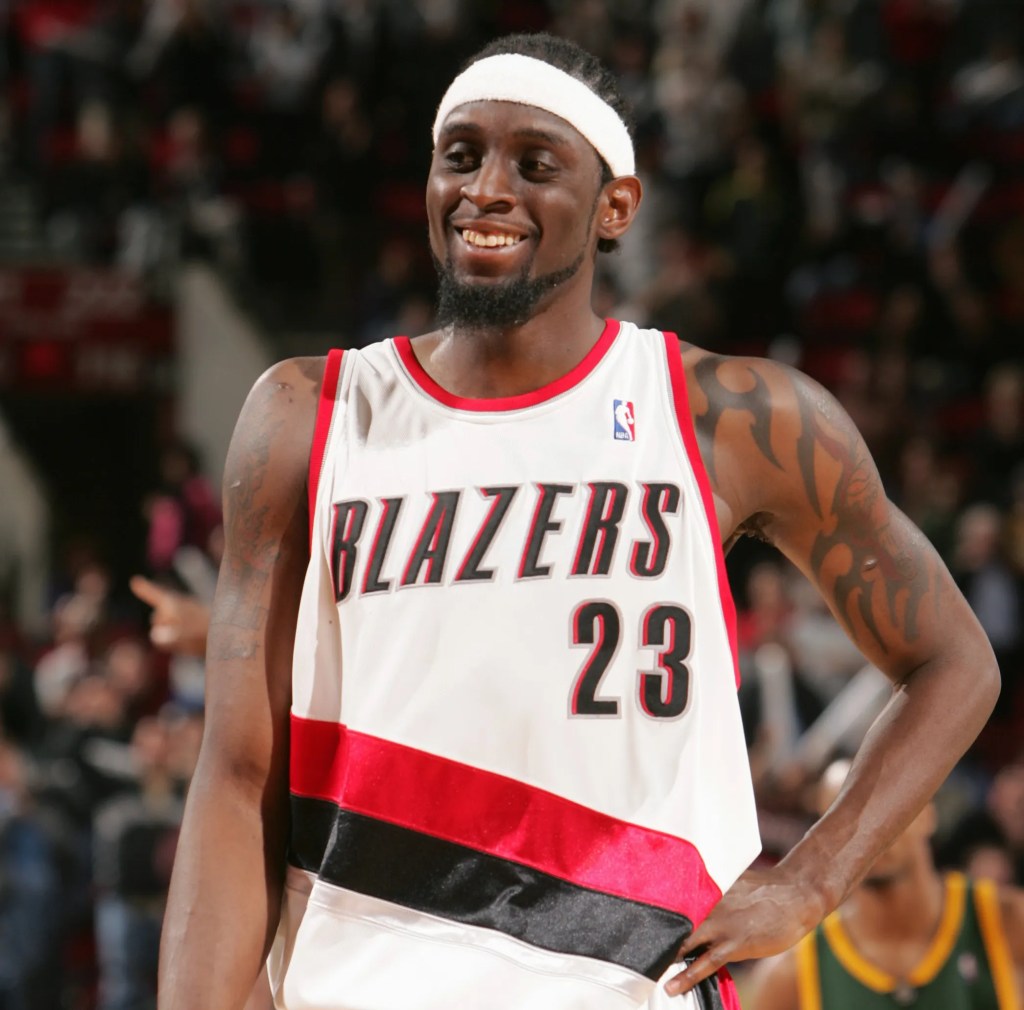
Contract: $48 million/6 years
Portland really put their foot in it when they signed this hump. Miles was another kid drafted straight out of high-school, and after three less-than stellar seasons with the Clippers and Cavaliers, the Trailblazers saw something “special” enough in Miles to give the 22-year-old a huge contract. What they got was an immature pain-in-the-ass who had frequent shouting matches with the coaching staff and didn’t play for two seasons during that deal thanks to a knee injury.
6) Jim McIlvaine, Seattle SuperSonics, 1996
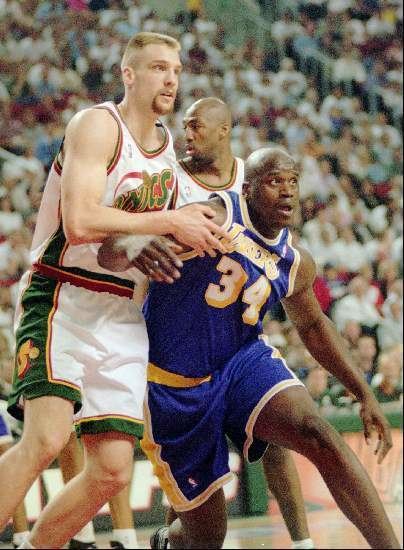
Contract: $33.6 million/7 years
When he was first drafted by the-then Washington Bullets, he immense stature and defensive prowess got him labeled as the “Shaq Stopper.” The problem was A) it wasn’t as true as it needed to be to B) account for his complete lack of offensive skills. Despite not living up to his moniker and averaging a paltry 2.3 points and 2.9 rebounds per game for the Washington Bullets, the Sonics couldn’t wait to sign McIlvaine to a big deal and trade away superstar Shawn Kemp to make room for him. This helped crater fan interest in this team, which contributed to the move to Oklahoma.
5A and B) Luol Deng and Timofey Mozgov, Los Angeles Lakers, 2016
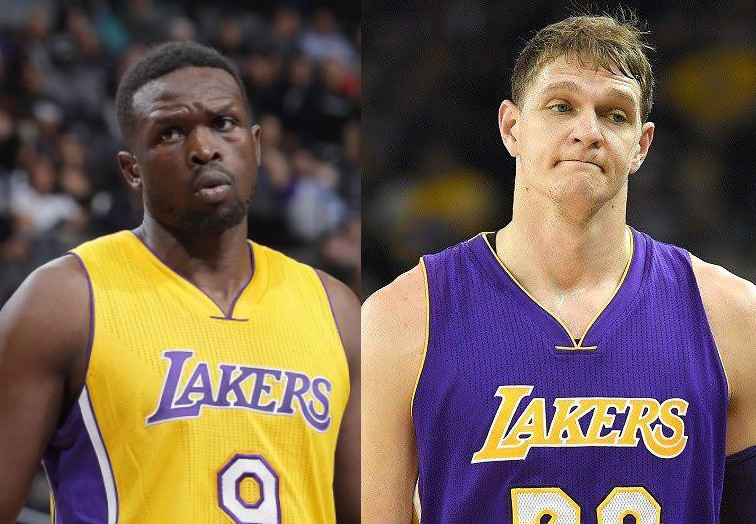
Contracts: Deng -$72 million/4 years; Mozgov $64 million/4 years
Welcome to the “Little Caesar’s” double-double. Just like getting two bad pizzas, this was a 2-for-1 on bad deals as well as arguably representing the beginning of the end of the Laker dynasty.
Deng proved himself to be a solid NBA player in his first ten seasons making two All-Star teams. Likewise, Mozgov started his NBA career with five solid season with the Denver Nuggets, then became a key component of the Cleveland Cavaliers’ championship run in 2016. Given that, the Los Angles Lakers thought they were signing two guys to be front-court presences in the waning years of the Kobe Bryant era.
However…
Deng would playing only 56 games as a Laker before he got benched. His second season in Los Angeles lasted a single game before he was sat down. After that campaign, Deng was released. Meanwhile, Mozgov only managed 54 games before the Lakers had seen enough; a stretch in which he averaged a measly 7.4 points and 4.9 rebounds.
4) Eddy Curry, New York Knicks, 2005
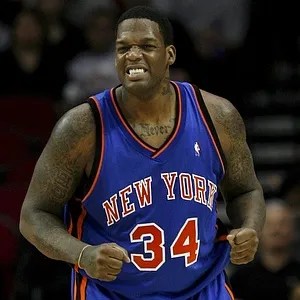
Contract: $60 million/6 years
This is just another in a series of deals which suggest it took the worst terror attack in this country’s history to be a bigger New York disaster than the tenure of Isaiah Thomas as the general manager of the Knicks. The early years of the 21st century may be the darkest of the dark days in the 50-plus years between titles in the Big Apple. In all fairness, Eddy Curry was a serviceable NBA player when the Knicks signed him. However, once he got big money, he tried to spend it supporting every all-you-can-eat buffet in the Tri-State area. By 2007, the Knicks benched Curry after his ass grew to the size of a Congressional district. Over the following two seasons, Curry only played in 10 games. Eventually, the Knicks unloaded him on the Minnesota Timberwolves, who bought out his contract to get him out of town.
3) Allan Houston, New York Knicks, 2001
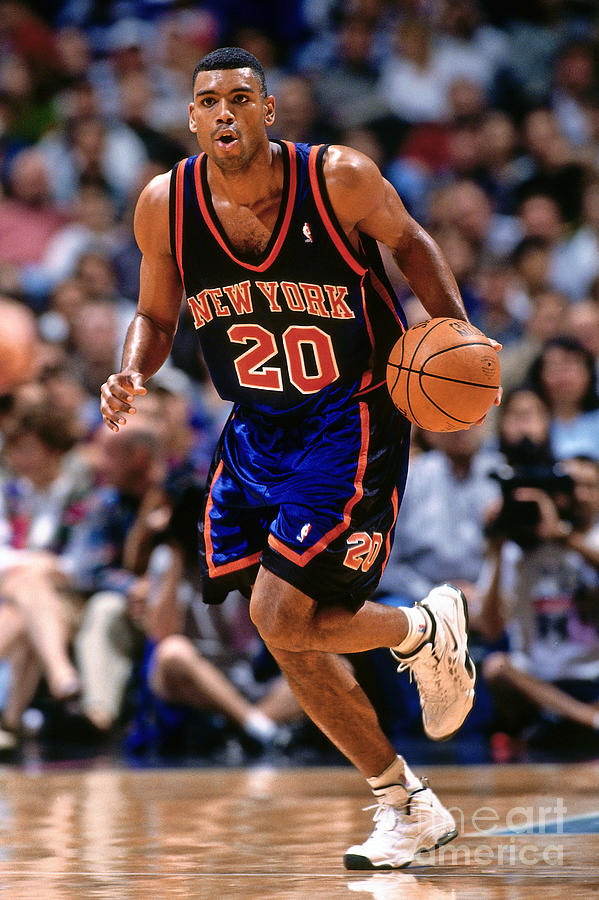
Contract: $100 million/6 years
To this day, I still wonder just what the hell the Knicks were thinking? Giving $20 million per year to a 30-year guy who to that point had been little more than a mid-level scorer who couldn’t create his own shot seemed like suicide…and it was. The ink on that deal wasn’t even dry before Houston began a run of injuries which ultimately ended his career before the expiration of this stupid deal.
2) Jon Koncak, Atlanta Hawks, 1989
Contract: $13 million/6 years
A sure-fire sign of a bad deal is if it breaks up the run of cataclysmic Knick decisions on this list. Not only that, but the deal Atlanta gave this blond version of Herman Munster was so egregious it caused labor stoppages for decades after it was signed. $2 million per year is not much by today’s standards, but at the time it was more than icons like Michael Jordan, Magic Johnson, or Larry Bird made in 1989. By giving this stiff that kind of cash, the Hawks ballooned the price of free-agency; an inflationary move which caused multiple strikes/lockouts centered on revenue splits and salary cap limits.
1) Jerome James, New York Knicks, 2005
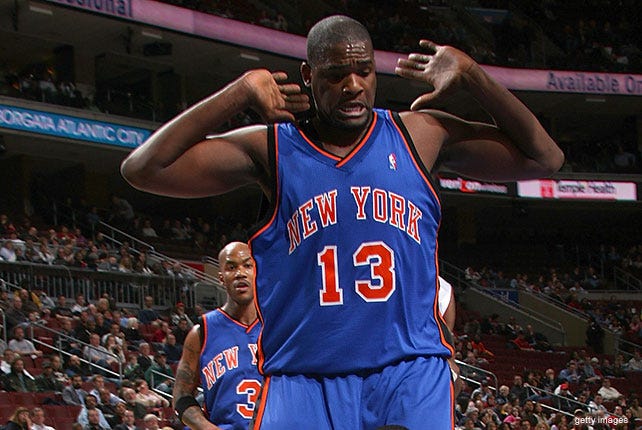
Contract: $30 million/5 years
James is the poster-child for two things; the perils of giving a guy huge money based on a small body of work and for being the signature personnel failure of the entire Isaiah Thomas regime. Based on a stretch in the 2005 NBA Playoffs, then-Knicks GM Thomas did the mental gymnastics necessary to believe a guy averaging 4.9 points and 3.5 rebounds per game deserved a $30 million deal. To thank Thomas, James showed up to camp roughly the size of Greenland. Being an out-of-shape lard-ass led to load of injuries, James played a total of 5 minutes in his first season with New York, and only 2 games in his second.
Got a question, comment, or just want to yell at us? Hit us up at dubsism@yahoo.com, @Dubsism on Twitter, or on our Pinterest, Tumblr, BlueSky, Truth Social, Instagram, or Facebook pages, and be sure to bookmark Dubsism.com so you don’t miss anything from the most interesting independent sports blog on the web.


