
- Today’s Movie: North Dallas Forty
- Year of Release: 1979
- Stars: Nick Nolte, Charles Durning, Mac Davis
- Director: Ted Kotcheff
This movie is not on my list of essential films.

NOTE: This installment of Movies Everybody Loves That I Hate is being done as part of something called The 6th So Bad It’s Good Blog-A-Thon being hosted by Taking Up Room. This is one of her long-standing annual events, and it’s one of my favorites. I’ve been a regular contributor to these events; the norm is with an installment of this blog’s signature series, Sports Analogies Hidden in Classic Movies.
But this time around, I thought I might switch things up a bit. For obvious reasons, it can be difficult to hide a sports analogy in a sports movie. Some such films pull it off; you’ll find a few in that link just above. But for a “So Bad” event, it felt like this was the time to explore a sports movie which tried to be an analogy within itself…but came up short on 4th down.
Another thing that made this film a perfect choice was how easily it would fit into another Dubsism feature about movies we hate. That’s because this movie was critically acclaimed for its view of the unseemly underbelly of professional football, but that adulation came from writers who know as much about the sport as I do about Nepalese interpretive dance.
Having said that, it’s time for me to share why I would rather chug a quart of jet fuel and sit on a lit highway flare than live through this movie again.
You can see all the contributors to this blog-a-thon here:
1) Authenticity: So Close…
North Dallas Forty is based on a “semi-autobiographical” novel written by Peter Gent and was published in 1973. The book is based on Gent’s days as a wide receiver for the National Football League’s (NFL) Dallas Cowboys from 1964 to 1968. It’s no accident the fictional North Dallas Bulls bear a “legally just different enough” resemblance to the Dallas Cowboys…just not of the same era. More on that in a bit.
Like almost every other bit of character camouflage, the veil on the disguise here is so thin it gave my neighbor, the Italian deli owner, a case of “capicola envy. But for the trained football eye, particular those of my vintage, there’s irrefutable DNA evidence proving the “Cowboy” ancestry of the North Dallas Bulls.
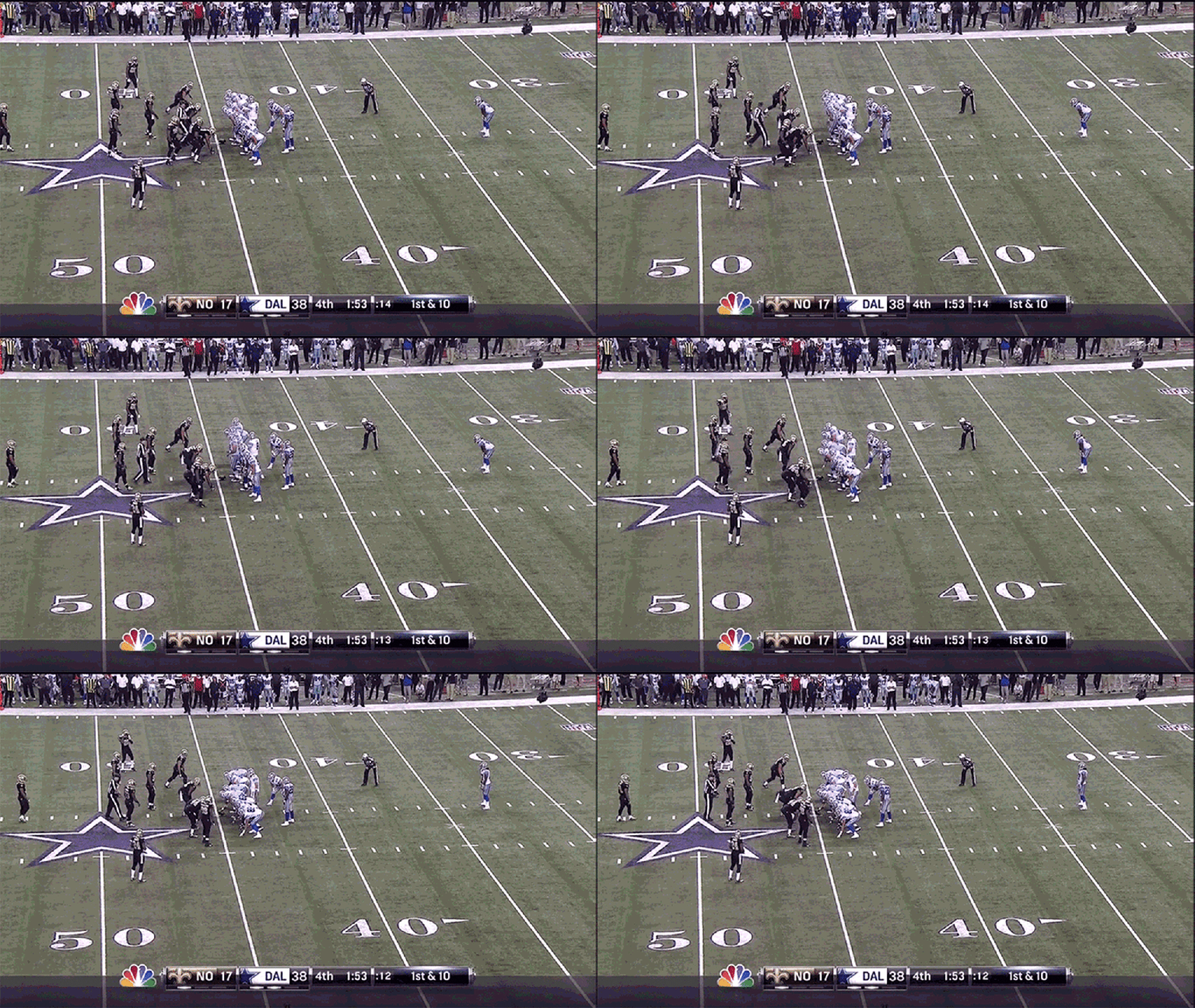
When anything in sports gets named for somebody, from that point any arguments concerning it’s origins and ownership are invalid. There was simply never a bigger signature of a Tom Landry-Dallas Cowboy offense than the practice of the linemen standing, then setting in a three-point stance. Even though it been 35 years since the end of the legendary head coaches’ tenure in Dallas, to this day such a move is still called the “Landry Shift.”
In the spirit of similarity, bloggers are just writers with a less prestigious label. While that’s the classic “distinction without a difference,” it does allow for my appreciation of the occasional need for a certain amount of “poetic license” to weave a story. But it also means that once a level of authenticity is established, it’s perfectly legitimate to continue that expectation throughout a film.
Not with this one. Let’s walk through why…
2) The Misleading Movie Poster
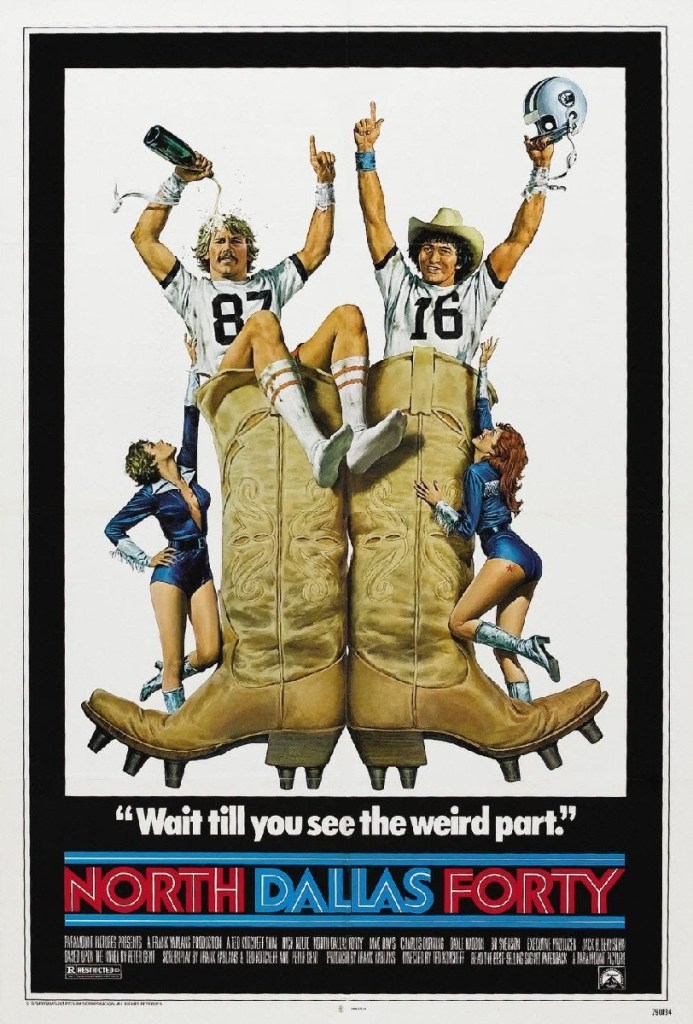
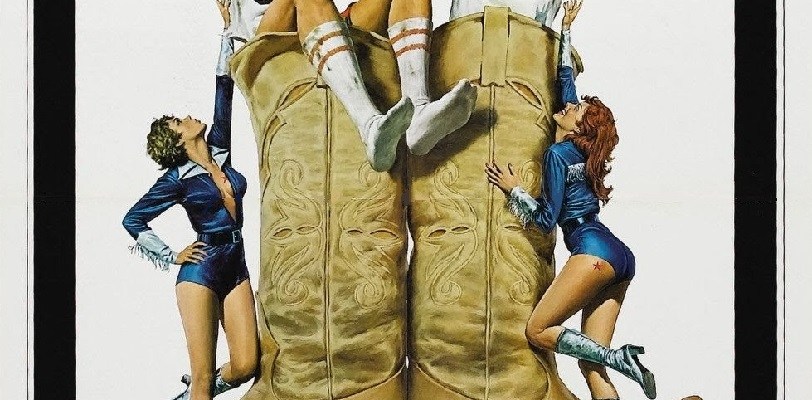
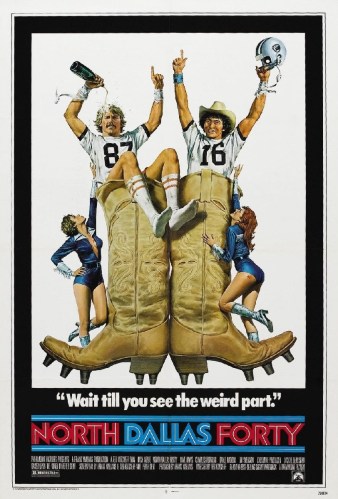
The journey that is North Dallas Forty takes the viewer from credible to cartoonish at times…but not without a stop at false advertising. If you were to see that poster in 1979, what would your initial impression be as to what sort of film this is? A football player triumphantly holding up his helmet while wearing a cowboy hat, another pouring booze on himself while scantily-clad women claw at cleated cowboy boots screams mad-cap comedy to me…just like it did then.
At least it delivers on it’s promise of the “weird part.” It’s nothing short of strange to use that poster for a film that is mostly a “sausage being made” view of the cut-throat business that is professional football.
There’s literally no laughs in this movie, except for the scene where O.W. Shaddock (played by ex-footballer John Matuszak) loses his temper during an impassioned rant about football being a sport or a business and threatens to dismantle Coach Johnson (played by Charles Durning).
That scene would be dripping credibility except for Matuszak’s cartoonish over-acting. This is just another example of how this movie comes off as “so close.” Fixing this scene would only involve letting the angry tirade be delivered by Joe Bob Priddy (played by Bo Svenson). Not only was he another apartment building-sized man who could pull off the man-handling, Priddy was played by a professional actor playing a football player, not a football player who could barely act like one.
3) Speaking of casting football players…
Quarterbacks are essential to the success of any football team. Logic only follows that the casting of the quarterback would be of similar import to a fictional squad. Don’t get me wrong, singer/songwriter Mac Davis did yeoman’s service portraying Bulls’ quarterback Seth Maxwell. In fact, I have a long-held belief that singers almost never get the proper credit due when they pull off a perfectly acceptable acting performance.
But in another case of “so close and/or could have cast a football player,” the producers of North Dallas Forty offered the role of “Seth Maxwell” to “Dandy” Don Meredith. It made perfect sense; “Dandy” Don was the Dallas Cowboys’ star quarterback in the 1960s, and he was one of the most recognizable faces in America by 1979. Not to mention, the word amongst “those in the know” was the “Seth Maxell” character was modeled on “Dandy” Don.
Oddly enough, Meredith’s fame likely contributed to that role ultimately going to Mac Davis. By the time this film was made, Meredith was so popular as a football broadcaster (he was one the first members of the Monday Night Football broadcast team) that he was already crossing over into television on his own.
This created two problems. First, I’m fairly certain the good people at Lipton Tea, Monday Night football, or anybody else employing “Dandy” Don at the time didn’t want to hear their “face-man” having the “here’s the weird part” conversation. Besides, I’ll bet the Budweiser people weren’t happy their product was featured prominently in that scene.
But more importantly, imagine you’re making a movie in which one of the most famous football announcers in the country at the time is having a conversation about “fake dicks.” Don’t you think that dictates the film be the “madcap” comedy as teased by the aforementioned movie poster?
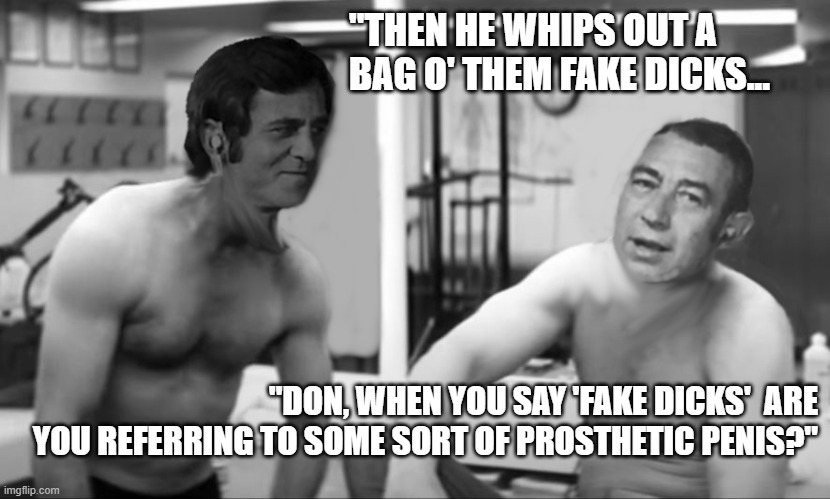
If I had Elon Bezos-Gates McTrump money, I’d get the Back to the Future DeLorean fired up to get this movie made just that way…if for no other reason I’d drop the gross domestic product of Norway to get a cameo appearance by Howard Cosell just to hear him say “fake dicks.”
Now…that’s funny.
4A) The Type-Casting of Nick Nolte
Since we’re on the subject of casting, a recurring feature in this series is noting a phenomenon I call “reverse typecasting.” This happens when when you see an actor who played a role in something which became part of this country’s cultural fabric, and even when you see them in something made before their face became associated with an iconic character, that’s all you can see.
North Dallas Forty was the very first Nick Nolte flick I ever saw. Then I saw the one where he played Buddy Holly. Oops…my mistake, that was another crazy blond guy.
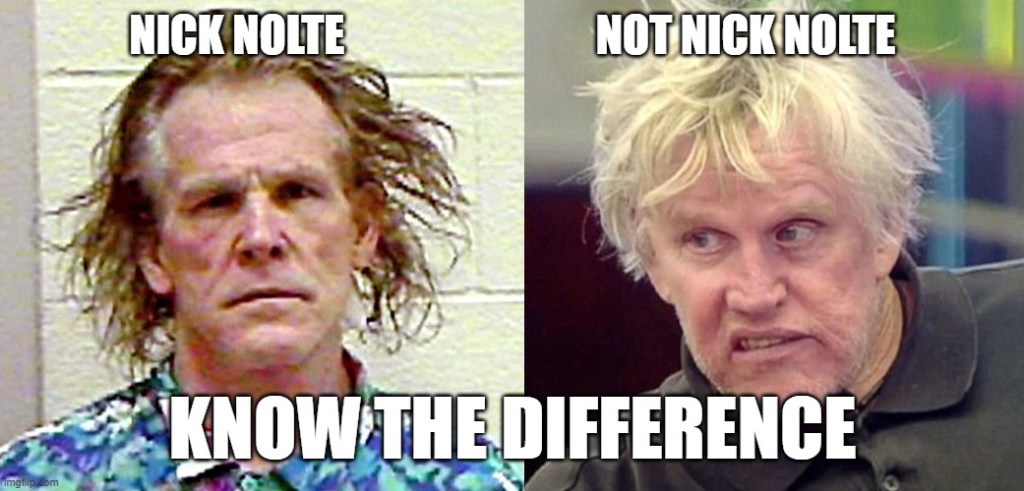
At least that’s an honest mistake. But the problem is Nolte bears more of a resemblance to some other guy in a completely different movie that he does to the guy he’s playing in this one. But it’s far more than just the physical likeness. Nolte’s “Phillip Elliott” is supposed to be Peter Gent, but they are from completely different eras.

Look for yourself. Gent is straight out the 1960s. He might think his draft number is high enough to keep him out of Vietnam, but he’s keeping his hair at “regulation” length just in case. Not to mention, even if the seed-corn of the “drug culture” is only emerging in the mid-1960s, it certainly isn’t out in the open yet.
This is in complete contrast to the long-haired, mustached, cigarillo-smoking Elliott, who is clearly a purveyor of the pure hedonism of the late 1970s. I’ll come back in a bit to the other problems this poses, but for purposes of this topic, this initial exposure to the work of Nick Nolte forever branded him in my mind as “Phillip Elliott.”

Frankly, this is just another exercise in resemblances. For my money, Nolte’s best-known work comes from the 80’s “buddy-cop” flick 48 Hrs. But the hard-nosed cop “Jack Cates” shares a shitload of traits with “Phillip Elliott,” nearly a propensity for “playing by their own rules” and being a jack-in-the-box two notes away from popping. If you think about it, doesn’t that describe almost every Nick Nolte role?
4B) The type-casting of G.D. Spradlin
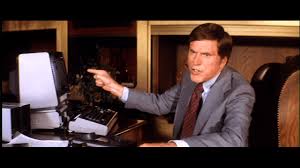
In another case of casting a guy who really only plays one kind of character, the role of Head Coach B. A. Strothers (played by G.D. Spradlin) is supposedly based on legendary Dallas Cowboys’ head coach Tom Landry. In a similar fashion, this blog is based on the works of William Shakespeare. After all, they are both written in English.
Despite that, I come to praise Spradlin, not to bury him. He does an outstanding job playing Strothers as a soul-less automaton who believed everything could be broken down to numbers. It’s not his fault the character was written to be almost nothing like “Coach Fedora.”
Tom Landry was the definition of an “old-school” football coach. From the day he became the first head coach of the Dallas Cowboys in 1961, he assumed the optics of Chicago Bears Owner/Coach George Halas…who four decades earlier was one the NFL’s founders. Halas was the cornerstone Landry aspired to be. Try as one might, there’s no getting more “old-school” than that.
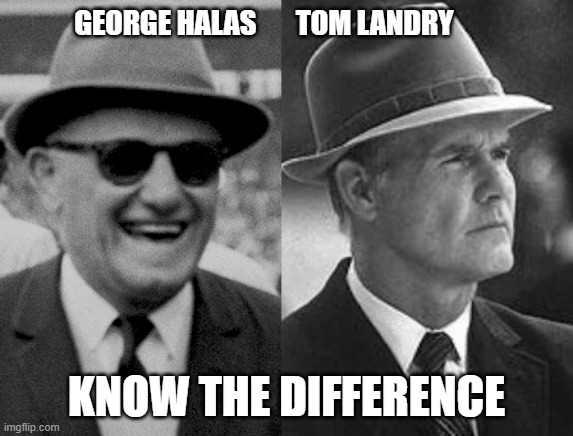
Moreover, Landry was one of the most well-respected men in the league. The twin pillars of NFL coaching in the 1960s came from Jim Lee Howell’s staff that led the New York Giants two three title game appearances in four seasons, including the 1956 NFL Championship. The offensive coach was some guy named Lombardi who ended up having the trophy awarded to the Super Bowl champions named for him. The defensive coach was Tom Landry, who in less than a decade took the expansion Dallas Cowboys from embryonic goo to a full-grown force that challenged Lombardi’s Green Bay Packer dynasty. After all, it was Landry who transformed the fledgling franchise in “America’s Team.”

As an “old-school” coach, Landry was nowhere near the “cutting edge” when it came to technology in the game. In fact, “Coach Fedora” was one of the last coaches to use a headset on the sideline; photo archives a brimming with shot of “old-school” Landry using an “old-school” telephone to talk to the coaches up in the booth. When he finally relented, he insisted on having headgear that would fit under his signature chapeau.

The bottom line: there’s no way the guy who wasn’t giving up his hat would be coaching football getting his cues from a computer screen. Not to mention, the Dallas Cowboys wouldn’t actually be run by a superficial, hypocritical ass-wipe like Strothers until 1989 when the Jerry Jones bought the team…the man who ironically fired Tom Landry with a phone call.
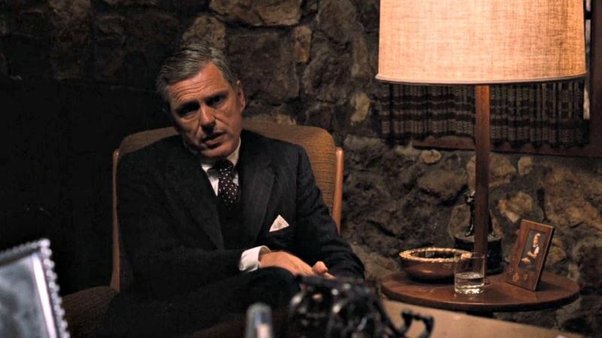
That brings us full-circle back to characters played by G.D. Spradlin. While “B.A. Strothers” is every bit the soul-less automaton as billed, and despite how well Spradlin plays him, his face locks my brain on the corrupt degenerate “Senator Geary” in The Godfather II. In other words, Spradlin was well-known for playing wealthy and/or powerful who were also scumbags. Had he not passed away in 2011, he would have been perfect for the lead if somebody made a Jerry Jones biography.
5) Are you trying to tell me there was racism in 1960s Texas?!
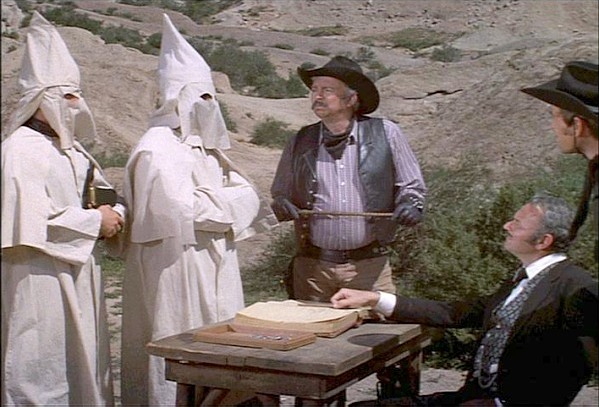
I’ve already discussed the “distinction without a difference” between “writers” and “bloggers” which is why I’m reticent to dish out criticisms. However, that doesn’t mean I won’t do it where necessary. I’ll start with his own words.
“I was shocked that in 1964 America, Dallas could have an NFL franchise and the black players could not live near the practice field in North Dallas…”
~ Peter Gent
While it’s no secret professional athletes live a different life than most of us, but how the fuck could you not know what was going on in the American south around in the early to mid-1960s? This was the eye of the hurricane that was the Civil Rights Movement. Martin Luther King, Jr. is leading marches and giving speeches, the “Freedom Riders” are criss-crossing Southern bus depots, and the “Bull” Connors of the world are still handling protests with fire hoses and police dogs.
Despite the divide between the life of an NFL player and the average working man, professional athletes didn’t then make the bazillions of dollars like today. Even a guy living under a rock at the bottom of a cave on the dark side of the moon who only got internet service from Xfinity could see what was happening all across the artist formerly known the Confederacy.
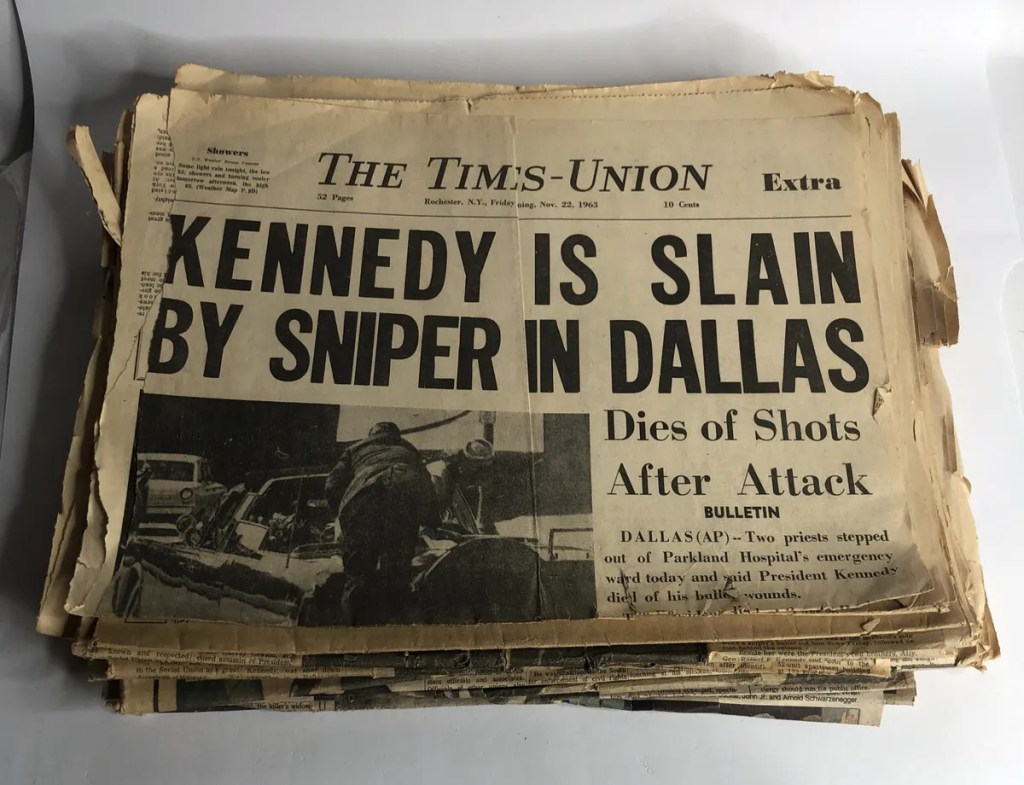
Even if you don’t buy that, consider this: If Peter Gent didn’t know a single thing about “The Big D” on November 21st, 1963, something happened the very next day which made it clear what a fucked up place Dallas was.
6) The Aforementioned “Era” Problem
As threatened, it’s time to deal with the biggest problem this movie has. Gent published this book in 1973. The movie wasn’t released until 1979. As previously mentioned, Gent’s book North Dallas Forty centers on his exploits as a member of the Dallas Cowboys in the mid-1960s.
To keep the math easy, let’s round that difference to the difference between 1965, the heart of Gent’s setting and 1979, when the movie was made. That may only be a difference of 14 years, but one would be hard pressed to find a similar span in American history with more cultural change.
Think about it. In 1965, Operation Hastings shows President Lyndon Johnson’s commitment to large-scale ground combat operations in Vietnam and The Beatles were touring America. By 1979, Saigon had been re-named Ho Chi Minh City, President Carter had pardoned all the “draft dodgers,” and FM radio in America was dominated by the disco-era Bee Gees.
Being a product of it’s country, the NFL was no different when it came to it’s own rate of change in this time. The crew-cuts and discipline of the 1960s was replaced by the “Wild West/Anything Goes” 1970s.
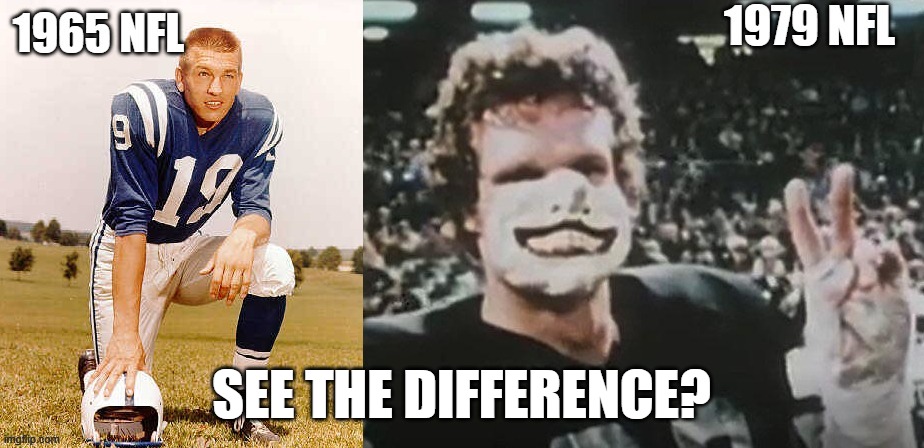
That’s why if you are of the correct vintage, you know from the opening scene of the movie it is very much a product of the 1970s. Gent’s story as written is not.
Another problem for those of us old enough to know is that after the merger between the NFL and the American Football League (AFL) was finalized in 1970 and the Super Bowl rose to become arguably the flagship event in all of American sport was when the meteoric rise happened in the amount of money flowing through the world of professional football happened.
In Gent’s day, the average NFL player didn’t make the huge salaries they do today. Regardless of era, there has always been a very select group of star players who made big money, but in the 1960s, the vast majority of professional football players didn’t make anymore than the average blue-collar working man. In fact, it wasn’t uncommon for football players to “regular” jobs in the off-season. Given that, the opulent “rock star” lifestyle amongst players was extremely rare.
However, by the late 1970s, two things happened. The average player salary went up, and the hedonistic “rockstar” lifestyle began to be provided by outsiders. Decadence became an equal-opportunity sport for NFL players in 1979, and the movie gives a tremendous view of that.
Conclusion:
If you didn’t notice, the themes here are “so close” and “see the difference.” For the most part, North Dallas Forty gets the job done for showing the “warts and all” world of professional football. But for a few casting issues and an equal number of script flaws, this movie was “so close” to being the great film many want to believe it is.
The difference is the shift in era between the time the book was published and the time the movie was made. Somewhere along the timeline during production, the perceived need to add the off-the-field world of the 1970s took away from the football tale of the 1960s. That leads to this movie’s self-confusing nature. The first-time viewer will spend 2 hours wondering if this is an indictment of the owners and coaches, a criticism of the gladiatorial nature of the game itself, or a dive into the decadence of the overpaid, hyper-libidoed players. By the time the viewer figures out its a structureless meander through all three, the two hours are up, and all the viewer’s questioning likely meant missing the film’s true meaning revealed in it’s final scene.
Again…so close…
P.S. For my money, Nolte’s “Phillip Elliott” felt less like a characterization of Peter Gent and more like a dramatization of 1970s Dallas Cowboy Golden Richards.

Overshadowed by some of the team’s larger stars of the time, Richards was a larger-than-life character known as much for some of his off-field shenanigans as for his touchdown catch in Super Bowl XII, driving the final nail into the Denver Broncos‘ coffin.
Richards picked a good time to reach his zenith as an NFL player. Super Bowl XII in 1978 is arguably when this event transcended the realm of being a championship game to becoming a national holiday. It was the first one played indoors, and the first one to be played during “prime time” in the Eastern U.S. time zone; home to 75% of the U.S. population.
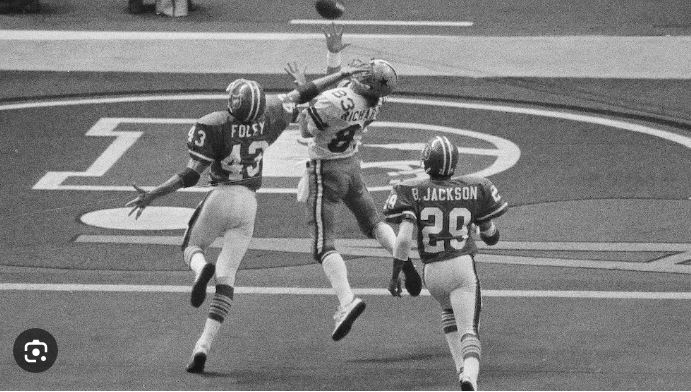
This helped make the “Super Bowl Party” a common occurrence, firmly weaving the Super Bowl into the fabric of American culture. As the saying goes, all that glitters is not gold, but Golden Richards shined at exactly the right moment.
Richards passed away on the very morning this post was published. He was 73.
RIP, Golden Richards.
You can see all the movies I hate here.
Got a question, comment, or just want to yell at us? Hit us up at dubsism@yahoo.com, @Dubsism on Twitter, or on our Pinterest, Tumblr, BlueSky, Truth Social, Instagram, or Facebook pages, and be sure to bookmark Dubsism.com so you don’t miss anything from the most interesting independent sports blog on the web.

 Dubsism
[…] J-Dub from Dubsism regales us with some reality about the 1979 sports film, North Dallas Forty. […]
LikeLike
I love your pics, and really thought that was Busey in the film poster… I can see your dilemma with who is who… I prescribe Point Break followed by Down and Out in Beverly Hills. Avoid the credits and then get Mrs Dubs to tell you if you get it right. Repeat going through both filmographies…
LikeLiked by 1 person
Ps Will be back later to read review… you lost me at Dallas, and the film poster… so off to check this out.
LikeLike
Now you must check out the Dallas cheerleaders movie with Jane Seymour to complete the double bill.
LikeLiked by 1 person
Whoa! Golden Richard died the morning you posted this? Quite prescient.
This is such a good post, for both its sport and film analyses. I never, ever thought about watching North Dallas 40 because it struck me as a sub-par wacky football comedy. Now that I’ve read your review, I’d give it a go, but without high expectations.
P.S. I just did a quick online image search of Tom Landry, and he sports a mighty fine chapeau indeed.
LikeLiked by 1 person
I’ve never seen North Dallas 40, and I think I’ll probably be okay if I never watch it! Interesting review though and that movie poster is definitely misleading, from your description of the actual film
LikeLike
I hate the Dallas Cowboys with such an intensity it’s odd I never watched this one, especially given the expectation that I have that it might shed a bad light on my nemesis team. Maybe if enough Cowboys fans expressed a hatred for the movie it might be the impetus I needed. One of these days….;
LikeLike
I’m going to say this as a Philadelphia Eagles fan who hated the Dallas Cowboys more than toothaches and tax audits combined. This would have been soooooo much better had it been made about the Jimmy Johnson-era Cowboys. I had grudging respect for Tom Landry, but was there anything more obnoxious than “HOW ‘BOUT THEM COWBOYS?!?!”
LikeLike
Although I’ve not been the biggest football fan over the years, I did see both North Dallas Forty and Semi-Tough in the theater back in the day. I don’t remember much of North Dallas, except one scene, that of Nick Nolte struggling to get out of bed like he was a decrepit 70-year-old, which hit home how hard the sport is on the body.
Dandy Don Meredith leading up the cast would have been very interesting indeed — Don was a creditable actor, and joyously self-deprecating. That scene you envision with Howard Cosell would have been classic!
LikeLike
I don’t know where to begin! I think I’ll start with how old I feel to recognize the name Golden Richards (RIP) and learn that Tom Landry left the Cowboys 35 years ago. How is that even possible? Next up, I have to work that “fidgeting like a one-legged cat” quote into my vernacular, someway, somehow. And finally, your post made me quite literally laugh out loud more than once. I enjoyed every word. And now I’m going to go explore some other movies you hate. Great stuff.
— Karen
LikeLike
“fidgeting like a one-legged cat” is a great line…
LikeLike
Since you asked, that poster would have immediately made me expect one of those softcore ‘cheerleader’ movies that came out in the 70s. Imagine how disappointed a person who bought a ticket expecting that type of film would have been. :D
LikeLike
Yeah…there’s totally a “Debbie Does Dallas” vibe in there…
LikeLiked by 1 person
I’m loving the memes all over this review–it seems like the movie needs them in the worst way. Yikes. Thanks again for joining the blogathon, J-Dub–it’s always a blast!
LikeLiked by 1 person
And thanks for hosting!
LikeLike